How to Evaluate a Plumbing Repair Estimate: Key Questions to Ask
Learn what details to look for in a plumbing repair estimate. Discover key questions to ask contractors regarding scope, labor, materials, and permits.

Understanding a Plumbing Repair Estimate
When a plumbing failure occurs—whether it is a sudden supply line leak in a crawl space, a failing water heater, or a backed-up sewer lateral—receiving a professional repair estimate is the first step toward resolution. However, an estimate that consists only of a single lump-sum figure often leaves property owners guessing about what work is actually included, what materials will be used, and whether the root cause of the problem is truly being addressed.
In the Valdosta, Georgia area, local environmental factors such as high summer humidity, heavy seasonal rainfall, and shifting clay soils can complicate plumbing repairs. For instance, an outdoor or crawl-space repair requires accounting for moisture control and soil stability. Asking the right questions before authorizing plumbing work ensures clarity, protects your property, and helps you evaluate whether the proposed solution matches the actual diagnostic findings.
1. What Is the Exact Scope of Work?
The foundation of any reliable repair estimate is a clearly defined scope of work. Vague descriptions such as "repair main line" or "fix bathroom leak" invite misunderstandings about what is covered and what might result in unexpected additional charges.
- Location and Access: Does the repair involve opening drywall, excavating soil in a yard, or entering a tight crawl space? Ask where the work area begins and ends.
- Associated Restoration: Does the estimate include restoring surfaces, such as patching drywall or repaving disturbed landscaping, or will those tasks fall to you?
- Demolition vs. Repair: Clarify whether damaged components are being entirely replaced or if a localized patch is being performed.
2. Does This Quote Address the Root Cause or Just the Symptom?
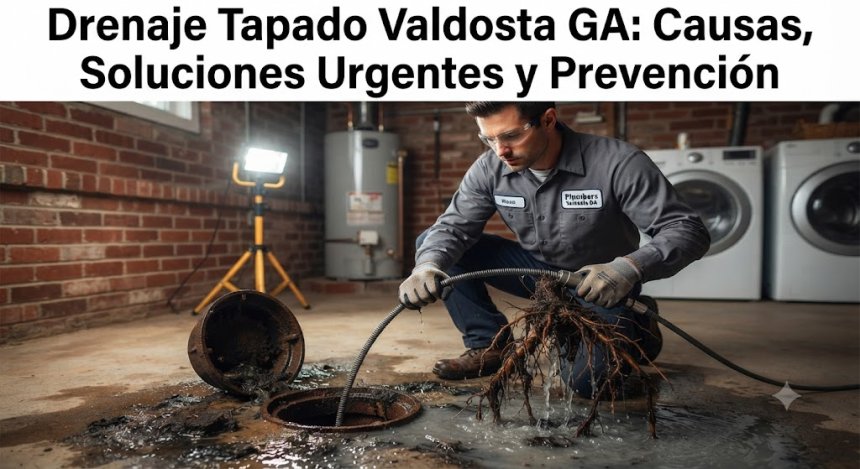
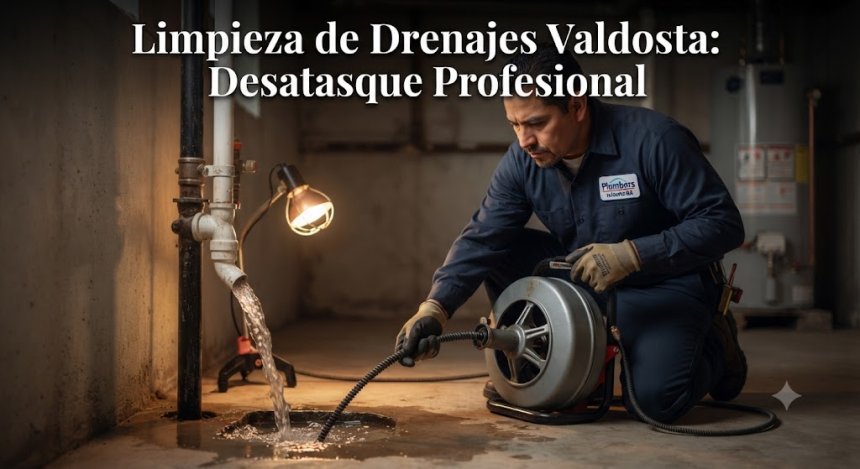
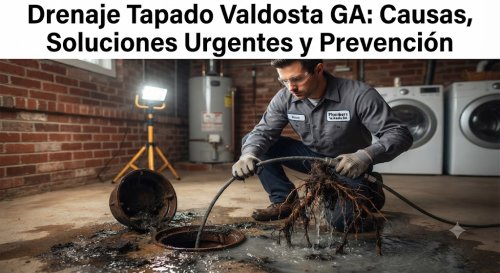
One of the most valuable insights in plumbing diagnostics is recognizing the difference between a surface symptom and an underlying system failure. For example, clearing a recurring main sewer clog with a mechanical snake provides immediate relief, but if tree roots have structurally compromised the pipe or if a section has lost its proper drainage slope, the clog will inevitably return.
Ask the plumber specifically what caused the failure. If a pipe burst due to corrosion or age, ask if surrounding sections are made of the same vulnerable material. Addressing only the immediate leak while leaving worn-out adjacent pipe in place often leads to repeat service calls.
3. What Specific Materials and Components Will Be Used?
Plumbing repair estimates should specify the grades, types, and manufacturers of materials being installed. Inferior materials or mismatched pipe connections can compromise the longevity of a repair.
- Pipe Compatibility: When repairing older water supply or drainage lines, ask if transition fittings (such as transitioning from cast iron or galvanized steel to modern PVC or PEX) will be installed correctly to prevent galvanic corrosion or joint leaks.
- Fixture Quality: If valves, supply lines, or pressure-regulating components are being replaced, ask about their rating, pressure tolerance, and warranty coverage.
4. How Are Labor and Diagnostic Charges Structured?
Understanding how a plumbing contractor calculates labor helps clarify why two seemingly similar jobs can carry very different price tags. Professional plumbing requires specialized equipment, training, and insurance.
Ask whether the estimate includes a separate diagnostic fee and if that fee is rolled into the final repair cost should you approve the work. In addition, inquire whether labor is billed at a flat rate per project or on a time-and-materials basis. Flat-rate pricing provides certainty, whereas time-and-materials pricing can fluctuate if unexpected complications—such as inaccessible shutoff valves or severely corroded fittings—are discovered once work begins.
5. What Variables Could Change the Final Cost?
Even experienced plumbing professionals can encounter hidden variables once walls are opened, crawl spaces are entered, or underground pipes are exposed. A responsible estimate should outline potential contingencies rather than surprising you mid-project.
| Variable | How It Affects Plumbing Estimates |
|---|---|
| Accessibility | Tight crawl spaces, finished basements, or deeply buried utility lines require significantly more time and labor to access safely. |
| Pipe Condition | Brittleness or severe corrosion on older pipes can cause neighboring sections to fail when disturbed, expanding the required repair footprint. |
| Code Compliance | Older installations may not meet current plumbing codes. Bringing a system up to code during a major repair can alter material requirements. |
| Permits and Inspections | Certain major plumbing replacements require local municipal permits and subsequent inspections, which may affect scheduling and administrative costs. |
6. What Warranties Apply to Labor and Parts?
A reputable plumbing professional stands behind their craftsmanship. When evaluating an estimate, always ask about warranty terms for both the physical parts installed and the labor performed.
Clarify whether the manufacturer warranty on a water heater, valve, or pump is separate from the contractor’s workmanship warranty. Knowing how long you are protected if a joint develops a slow drip weeks later provides valuable peace of mind.
Frequently Asked Questions
- Should I always choose the lowest plumbing repair estimate?
Not necessarily. A significantly lower estimate may omit critical steps, use substandard materials, or exclude necessary permits and cleanup. Comparing the detailed scope of work matters more than looking at the bottom-line price alone. - What should I do if a plumber discovers unexpected damage during the repair?
Ask the plumber to stop, explain the newly discovered issue clearly, show you the problem if safe and accessible, and provide a revised estimate before proceeding with any additional work. - Are permits required for all plumbing repairs in Valdosta?
Routine repairs like fixing a leaking faucet or replacing a toilet typically do not require permits. However, major modifications—such as installing a new water heater, altering main water supply lines, or replacing sewer laterals—often require local permits to ensure compliance with building codes. Always verify current local regulations. - How can I prepare my property before the plumber arrives?
Clear a direct path to the work area, ensure indoor shutoff valves are accessible, secure pets, and remove items stored around crawl-space access points or under sink cabinets. - Does an estimate include cleaning up the work area?
Most professional plumbers include basic cleanup of the immediate work zone, but it is always wise to clarify whether debris removal, drywall patching, or landscaping restoration is part of the quoted scope.