How to Compare Plumbing Repair Estimates in Valdosta
Learn how to effectively compare plumbing repair estimates in Valdosta. Understand scope, labor factors, diagnostic fees, and what details matter most.

Decoding Plumbing Repair Estimates
Receiving multiple plumbing repair estimates can sometimes cause more confusion than clarity. When faced with divergent numbers for the same leak, water heater replacement, or sewer line repair in Valdosta, homeowners often default to picking the lowest bid. However, plumbing quotes are rarely apples-to-apples comparisons. Two licensed professionals can look at the exact same bathroom leak or drainage backup and propose entirely different scopes of work, materials, and access methods.
Understanding what makes up a plumbing estimate helps property owners look past the bottom-line price and evaluate the actual value, durability, and safety of the proposed fix. True comparison requires examining line-item details, labor assumptions, material quality, and hidden variables that can alter the final cost once the walls or ground are opened.
The Core Components of a Professional Plumbing Quote
A transparent plumbing estimate should never be a single lump sum scrawled on a notepad. Legitimate quotes break down the individual costs so you understand exactly what you are paying for. When reviewing paperwork from local plumbing services, look for these foundational elements:
- Diagnostic Fees: Many companies charge an initial dispatch or troubleshooting fee to determine the exact root cause of a failure. Check whether this fee is rolled into the repair cost should you approve the work.
- Labor Scope: Labor is often calculated by estimated time or flat-rate project pricing. Flat-rate pricing protects you if a difficult pipe replacement takes longer than expected, whereas hourly rates can fluctuate if unexpected complications arise.
- Materials and Fixtures: High-grade PEX, copper, Schedule 40 PVC, or commercial-grade brass fittings cost more upfront than generic home-improvement store alternatives, but they offer significantly longer service lives under local water conditions.
- Permitting and Inspections: Certain major plumbing modifications—such as water heater replacements, gas line work, or extensive sewer line repairs—may require local permits and subsequent inspections. A professional estimate should clarify whether permit acquisition is included.
Why Two Estimates for the Same Job Can Vary Wildly
If you request quotes for a hidden leak or a failing sewer lateral, you might notice significant pricing discrepancies. This variance is rarely arbitrary; it usually stems from differing technical assessments of the problem.
Different Diagnostic Interpretations
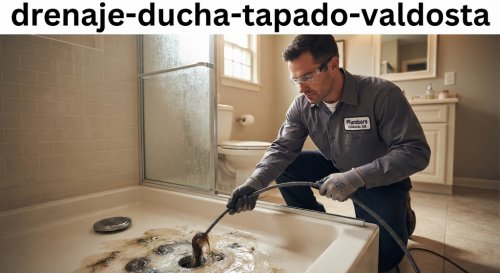
One plumber might see a recurring drain clog and suggest a mechanical snaking, while another inspects the line with a sewer camera and detects a structural offset or root intrusion. The first quote is cheap because it treats the symptom; the second quote is higher because it proposes a permanent mechanical repair. Always verify whether competing plumbers used the same diagnostic depth before comparing their prices.
Access and Restoration Assumptions
Plumbing rarely lives entirely out in the open. When a pipe bursts behind a finished wall, beneath a concrete slab, or deep inside a crawl space common to many properties across south Georgia, access dictates labor time. One estimate might include cutting into drywall and patching it back to a paint-ready finish, while another assumes the homeowner will hire a separate drywall contractor. Failing to notice these hidden exclusions can result in unexpected secondary expenses.
Material Quality and Longevity
Materials vary significantly in performance and price. For instance, replacing a failing pressure-reducing valve or water supply line with commercial-grade components involves higher material costs than utilizing residential-grade equivalents. Ask each plumber to specify the exact brand, rating, and expected lifespan of the materials they plan to install.
Critical Questions to Ask Before Approving Plumbing Work
Before signing off on a significant plumbing repair, asking targeted technical questions can clarify the scope and prevent misunderstandings:
- Does this repair address the root cause of the failure, or is it a temporary patch?
- What specific pipe materials, fittings, or replacement units are included in this price?
- Does this quote include all necessary access creation, drywall patching, and site cleanup?
- What happens if you discover hidden damage—such as rotted subflooring or heavily corroded pipe threads—once the work begins?
- What warranty or guarantee covers both the labor and the installed materials?
Evaluating Emergency Versus Scheduled Estimates
Timing heavily influences plumbing pricing. An emergency midnight call-out to address a major pipe burst or sewage backup involves urgent mobilization, after-hours staffing, and immediate dispatch, which carries different cost structures than a scheduled Tuesday morning water heater replacement. When comparing emergency quotes, ensure you are evaluating companies operating under the same urgency constraints.
Frequently Asked Questions
Should I always choose the lowest plumbing estimate?
Not necessarily. The lowest bid often omits crucial steps, utilizes lower-quality materials, or excludes cleanup and restoration work. Evaluate the scope of work rather than just the price tag to ensure the repair provides a long-term solution.
What is the difference between a flat-rate estimate and an hourly estimate?
Flat-rate pricing gives you a fixed price for the entire job regardless of how long it takes, protecting you from unexpected delays. Hourly pricing bills you for actual time on-site plus materials, which can become unpredictable if hidden complications arise during the repair.
Are diagnostic fees standard in the plumbing industry?
Yes. Professional plumbers often charge a diagnostic or service fee to cover travel and the specialized expertise required to accurately troubleshoot complex failures. Always ask if this fee is credited toward the repair cost if you proceed.
How do I know if a plumbing estimate includes necessary permits?
Check the line items on the quote for permit fees or explicit language regarding local code compliance. Major installations like water heaters or sewer line replacements often require municipal permits, which reputable contractors handle directly.
Why did the final cost exceed my initial estimate?
Unforeseen complications—such as severely corroded fittings, hidden pipe damage behind walls, or collapsed sections of underground drain lines discovered only after excavation—can expand the required scope of work. A trustworthy contractor will pause work and present a revised estimate before proceeding.