How to Evaluate a Plumbing Repair Estimate: Key Questions to Ask
Learn what details to look for in a plumbing repair estimate. Ask the right questions about scope, parts, labor, and warranties before approving work.

Understanding a Plumbing Repair Estimate
Receiving a plumbing repair estimate can sometimes feel overwhelming, especially if the underlying problem involves hidden pipes, crawl-space access, or complex structural elements common in various Valdosta, Georgia properties. A clear, comprehensive estimate should do more than just list a final dollar amount. It should clarify what physical problem is occurring, how the technician plans to fix it, and what variables might influence the final scope.
When evaluating quotes for residential or commercial plumbing work, knowing what questions to ask helps separate a surface-level patch from a permanent repair. It also ensures transparency regarding labor, materials, permits, and potential complications that can arise once walls, concrete slabs, or underground lines are opened up.
1. What Is the Exact Root Cause of the Failure?
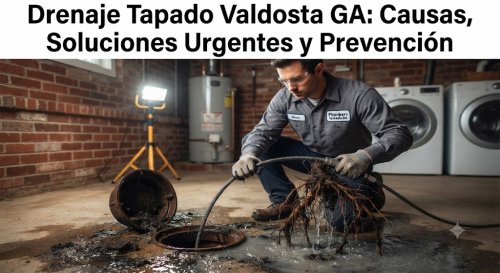
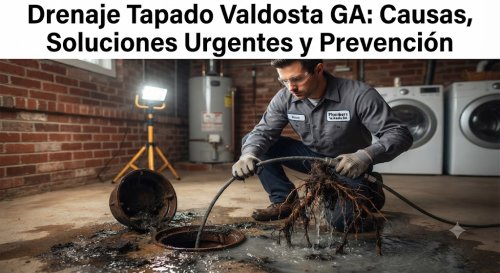
Before discussing costs, ensure the estimate clearly identifies the root cause of the plumbing issue rather than just the visible symptom. For instance, a repeating clogged drain is often treated as a simple blockage when the actual problem might be a structural sag, root intrusion, or offset in the underground sewer lateral. If an estimate only covers clearing a line without diagnosing why it clogged in the first place, you may face the exact same failure weeks later.
Key follow-up question: "Did this diagnosis involve direct visual confirmation, such as a sewer camera inspection or pressure testing, or is it based solely on the visible symptoms?" Knowing whether guesswork or diagnostic data drove the estimate changes how much confidence you can place in the proposed repair.
2. Does the Estimate Separate Diagnostics, Labor, and Materials?
A transparent plumbing quote breaks down the individual cost components. A lump-sum price can sometimes hide excessive markup or leave you guessing about what you are actually paying for. Look for clear distinctions between:
- Diagnostic fees: The cost to locate and evaluate the problem.
- Labor charges: Estimated hours or flat-rate labor tied to the specific task.
- Materials and hardware: Specific pipe materials, fittings, valves, or fixtures required.
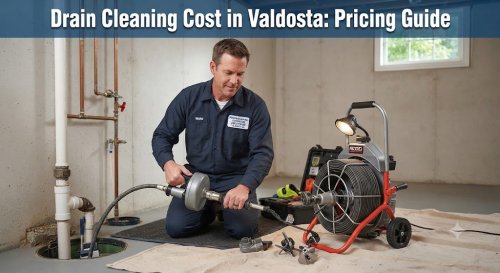
Ask whether specialty equipment fees—such as heavy drain-cleaning machinery, hydro-jetters, or trenchless pipe-pulling rigs—are included in the baseline price or billed separately.
3. What Is Included in the Scope of Repair vs. Restoration?
Plumbing repairs frequently require opening walls, cutting drywall, tunneling beneath crawl spaces, or breaking through concrete slabs. One of the most common oversights in plumbing estimates is failing to specify who handles the restoration work.
Ask whether drywall patching, painting, flooring repair, or concrete pouring is included in the quoted price. If the plumbing provider only handles the mechanical fix, you will need to budget time and money for secondary contractors to restore your property to its original condition.
4. Are There Potential Hidden Complications That Could Alter the Cost?
Plumbing systems can hold unpleasant surprises once work actually begins. Older galvanized steel pipes can crumble when touched, cast-iron drain lines can be severely corroded underneath, and brittle supply lines can snap at aging shutoff valves. A reputable plumbing professional will outline what variables could change the estimate.
Ask the technician: "Based on the age and condition of the plumbing in this type of property, what are the most likely hidden complications we might encounter once work starts, and how are unexpected changes handled?" Ensure you have a clear agreement that no extra work or price increases will occur without your explicit, written approval.
5. What Materials and Specifications Are Being Used?
The quality of replacement materials directly dictates how long a repair will last. When replacing supply lines, valves, water heaters, or drain pipes, ask about the exact grades and brands being installed. For example, using commercial-grade brass fittings versus lower-cost alternatives makes a significant difference in longevity, particularly in properties dealing with mineral-heavy water or high system pressure.
For pipe repairs, confirm whether the replacement material matches or safely transitions from your existing infrastructure (such as connecting modern PEX or PVC to older copper or cast iron) without creating galvanic corrosion or flow restrictions.
6. What Warranties Cover the Parts and Labor?
A professional plumbing repair should always include a warranty protecting against workmanship defects and manufacturer part failures. However, warranty terms vary widely across the industry.
Ask specific questions about the coverage period:
- How long does the labor warranty last?
- Are the replacement parts covered by a manufacturer warranty, and how is replacement handled if a part fails prematurely?
- Does any part of the warranty exclude existing plumbing components that were left in place?
7. Does This Repair Require a Permit or Inspection?
Depending on the scope of the work—such as installing a new water heater, altering main water supply lines, or modifying sanitary drainage—local municipal or county codes in Valdosta may require a plumbing permit and subsequent inspection. Never assume that permits are automatically included or unnecessary.
Ask whether the plumbing provider pulls the necessary permits and whether the cost of permitting and scheduling local inspections is factored into the estimate. Ensuring work complies with current plumbing codes protects property value and prevents insurance complications down the road.
Evaluating and Comparing Multiple Estimates
If you are gathering multiple estimates for a major plumbing project, do not automatically choose the lowest bid. A significantly lower estimate often indicates a stripped-down scope of work, lower-quality materials, omitted permits, or a lack of proper diagnostic testing. Compare the line items carefully to ensure every contractor is bidding on the exact same scope, quality of materials, and level of property restoration.
Frequently Asked Questions
Should I pay a diagnostic fee if I decide not to approve the repair?
Yes, professional plumbing diagnostic work requires specialized training, diagnostic tools, and travel time. Most reputable plumbing companies charge a standard service or diagnostic fee to evaluate a problem, regardless of whether you proceed with the repair. Always clarify this fee before a technician arrives.
What is the difference between a flat-rate estimate and an hourly quote?
A flat-rate estimate provides a fixed price for a specific repair procedure, regardless of how long the job takes. An hourly quote charges based on time spent plus the cost of materials. Flat rates offer budget certainty, while hourly rates are sometimes used for complex, open-ended diagnostic or exploratory plumbing work.
Is a verbal estimate legally binding?
Verbal estimates are difficult to enforce and often lead to misunderstandings about scope and cost. Always request a detailed, written estimate that outlines the specific repairs, materials, labor, and warranty terms before giving authorization to begin work.
Why would two plumbers give vastly different estimates for the same visible problem?
Differences usually stem from varying diagnosis depths, proposed material quality, warranty differences, or assumptions about hidden access issues. One plumber may quote a quick surface patch, while another quotes a comprehensive fix that addresses the underlying structural cause of the failure.
What should I do if the plumber uncovers additional damage mid-repair?
A professional technician should pause work immediately, explain the newly discovered issue, show you the evidence if accessible, and provide a revised written estimate for your approval before proceeding. You should never feel pressured to approve unexpected work without a clear explanation.
Are emergency plumbing estimates typically higher than scheduled quotes?
Emergency service dispatched outside of standard business hours, during severe weather events, or on holidays often carries higher dispatch or labor rates due to immediate resource mobilization and after-hours hazard management.