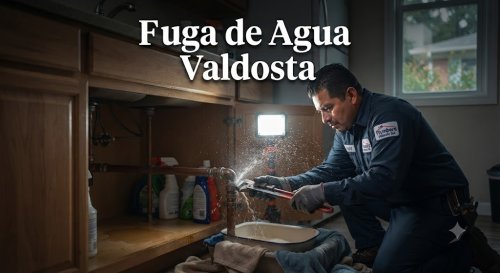
What Causes Plumbing Pipes to Burst in Valdosta GA?
Discover what causes plumbing pipes to burst in Valdosta, GA. Learn how regional climate, water pressure, and pipe aging impact residential plumbing systems.

When a plumbing pipe bursts, it is rarely a sudden, random event with no underlying trigger. While catastrophic pipe failures are often associated with freezing northern winters, property owners in Valdosta, Georgia face a unique combination of environmental factors, structural conditions, and material aging that can compromise water lines. Understanding the actual mechanical causes behind pipe failures helps property owners identify vulnerabilities before a minor restriction or hidden flaw turns into an indoor flood.
The Multi-Factor Reality of Pipe Failures
Plumbing pipes rarely rupture simply because they are old. A pipe bursts when the internal stress or external pressure acting upon it exceeds the structural integrity of the pipe wall. In the South Georgia climate, extreme summer heat, heavy seasonal rainfall, shifting clay soils, and aggressive water chemistry interact with aging infrastructure in ways that gradually thin or strain residential and commercial water distribution lines.
To understand why pipes fail, it helps to examine the specific stressors that act on interior supply lines, crawl-space plumbing, and buried outdoor service lines across the Valdosta area.
Primary Causes of Burst Pipes in Valdosta Properties
1. Unchecked Water Pressure Surges and Water Hammer
Excessive water pressure is one of the most common internal causes of sudden pipe failure. Municipal water supplies or private well pumps can deliver high pressure, but when pressure regulators fail, static pressure inside a home can spike well above safe limits—often exceeding 80 pounds per square inch (psi). Every time a dishwasher valve, washing machine solenoid, or quick-closing faucet shuts off abruptly, it creates a hydraulic shock wave known as water hammer. Over time, this repetitive concussive force fatigues metal elbows, weakens soldered joints, and stresses aging plastic fittings until a rupture occurs.
2. Extreme Heat and Crawl-Space Microclimates
While Valdosta rarely experiences prolonged Arctic freezes, winter cold snaps do occur, and even brief drops below freezing can catch uninsulated crawl-space pipes off guard. More frequently, however, the intense heat and humidity of South Georgia create aggressive microclimates inside enclosed crawl spaces and unconditioned attics. High ambient temperatures combined with trapped moisture accelerate external corrosion on metallic pipes, particularly where copper lines rest against damp wood framing or hangers made of dissimilar metals.
3. Soil Shifting and Foundation Settlement
Many properties in Lowndes County sit on slab foundations or elevated crawl spaces built over native soils that contain varying proportions of clay. During prolonged dry summer spells, these soils shrink and pull away from foundations and underground lines. When heavy tropical downpours or seasonal storms arrive, the soil rapidly expands and swells. This continuous cycle of soil contraction and expansion exerts immense mechanical shear stress on underground water service lines, hose bib connections, and main entry points where pipes enter the structure.
4. Internal Corrosion and Mineral Scale Accumulation
Water chemistry plays a major role in pipe longevity. Over decades of service, mineral content in local water supplies can cause scaling or internal pitting within metallic pipes. Galvanized steel pipes are particularly vulnerable to internal rust constriction, which weakens the pipe wall from the inside out until a pinhole leak expands into a major split. Even copper pipes can experience localized internal thinning if water velocity is too high or if chemical imbalances cause erosion-corrosion at turbulent bends.
5. Material Aging and Outdated Installations
Plumbing materials have a finite lifespan. Older homes and commercial buildings throughout Valdosta may still contain legacy piping materials, such as polybutylene supply lines from the 1980s and 1990s or aging galvanized steel. Polybutylene degrades when exposed to chemical disinfectants in public water supplies, becoming brittle and prone to catastrophic, unannounced splitting. Similarly, improper original installation practices—such as unsupported long pipe runs, tight radius bends, or failure to deburr copper cuts—create structural weak points that fail prematurely under normal operating conditions.
Hidden Clues That Precede a Pipe Rupture
Pipes rarely burst without giving subtle warning signs. Recognizing these diagnostic clues can help property owners intervene before water floods drywall, flooring, or subflooring:
- Banging or Thumping Noises: Loud thuds when turning off faucets indicate severe water hammer, which violently shakes pipes against framing.
- Unexplained Meter Movement: If all fixtures are closed but the water meter leak indicator dial is spinning, water is escaping somewhere in the system.
- Sudden Pressure Drops: A localized drop in flow rate can indicate that an internal pipe wall has partially collapsed or a fitting has shifted, creating a severe restriction.
- Stained or Warped Surfaces: Discolored drywall, bubbling paint, or warped baseboards often point to a slow, weeping leak that is actively rotting structural supports.
- Musty Odors: Persistent dampness in crawl spaces or interior closets frequently signals hidden moisture accumulation from a micro-crack in a supply line.
What Property Owners Can Safely Check
When suspecting plumbing stress or hidden water issues, safety and early containment are paramount. Property owners can perform several non-invasive checks:
- Locate the main water shut-off valve for the property and verify that it turns smoothly so water can be cut off instantly in an emergency.
- Inspect exposed supply lines in accessible crawl spaces, utility closets, and beneath sinks for signs of green corrosion crust, mineral buildup, dripping, or bulging insulation.
- Monitor the water bill for unexplained month-over-month usage increases, which often signify a hidden underground or in-wall leak.
- Check water pressure using an affordable screw-on pressure gauge attached to an outdoor hose bib. Pressures consistently above 75 to 80 psi indicate a failing pressure reducing valve (PRV).
Homeowners should never attempt to repair pressurized supply lines using temporary tape, epoxy patches, or clamps intended for low-pressure drainage. These makeshift fixes cannot withstand standard household water pressure and frequently fail catastrophically when least expected.
Understanding Repair Scope and Cost Factors
When a pipe does burst, the scope of repair depends heavily on accessibility, pipe material, and the extent of structural damage. Professional plumbing repairs involve far more than simply replacing the ruptured segment. Cost and labor variables include:
- Location and Accessibility: A burst pipe located in an open crawl space or utility room is straightforward to access and repair. Conversely, a pipe buried beneath a concrete slab foundation or concealed inside finished interior walls requires specialized acoustic leak detection, thermal imaging, or structural cutting.
- Pipe Material Compatibility: Transitioning from older legacy materials like galvanized steel or polybutylene to modern cross-linked polyethylene (PEX) or copper requires specialized fittings, structural adapters, and precise reaming tools.
- System-Wide Vulnerability: If a pipe burst is caused by general material degradation or excessive water pressure, replacing a single two-inch segment may only delay the next failure. Installing a whole-house pressure reducing valve or executing a targeted repipe is often necessary to protect the entire plumbing infrastructure.
- Restoration and Cleanup: Water mitigation, drywall repair, flooring replacement, and mold prevention often constitute a significant portion of the total incident cost, underscoring the value of proactive plumbing inspections.
Frequently Asked Questions
Can high outdoor temperatures cause plumbing pipes to burst in Valdosta?
Extreme heat alone rarely bursts indoor plumbing, but it accelerates material fatigue in outdoor irrigation lines, hose bibs, and exposed supply runs. Furthermore, intense summer heat causes extreme soil drying and shifting, which places heavy mechanical tension on underground service entry pipes.
How can I tell if my water pressure is too high?
The most accurate method is threading a water pressure gauge onto an outdoor laundry or hose bib faucet while all interior water is turned off. If the reading exceeds 75 psi, your plumbing system is experiencing excessive stress that increases the likelihood of a pipe burst.
Are polybutylene pipes common in Valdosta homes?
Polybutylene supply lines were widely installed in residential construction from the late 1970s through the mid-1990s. If your property was built during this era and still utilizes gray or blue plastic flexible piping with metal crimp rings, the material is at high risk for sudden, brittle splitting and should be evaluated for repiping.
What should I do immediately if a pipe bursts inside my home?
Immediately locate and close the main water shut-off valve to stop the flow of water. Turn off the electrical breaker supplying power to any rooms or appliances affected by flooding, and open nearby lower-level faucets to drain remaining water from the lines before calling a qualified plumbing professional.
Does homeowners insurance cover burst pipe damage?
Insurance coverage typically depends on the sudden and accidental nature of the failure. Sudden ruptures from pressure surges or freezing are frequently covered, whereas damage resulting from long-term, neglected corrosion or lack of maintenance is usually excluded. Always review your specific policy details and consult your insurance provider.
How often should plumbing pressure reducing valves be inspected?
Pressure reducing valves (PRVs) typically last between 5 and 10 years. They should be tested annually during routine home maintenance checks. When a PRV fails, it often sticks open, allowing unregulated high municipal pressure to flood home fixtures and rupture aging joints.