What to Do When Water Is Flooding a Valdosta GA Home
Discover immediate steps to take when water floods your Valdosta GA home, how to shut off the water safely, and what causes indoor flooding.

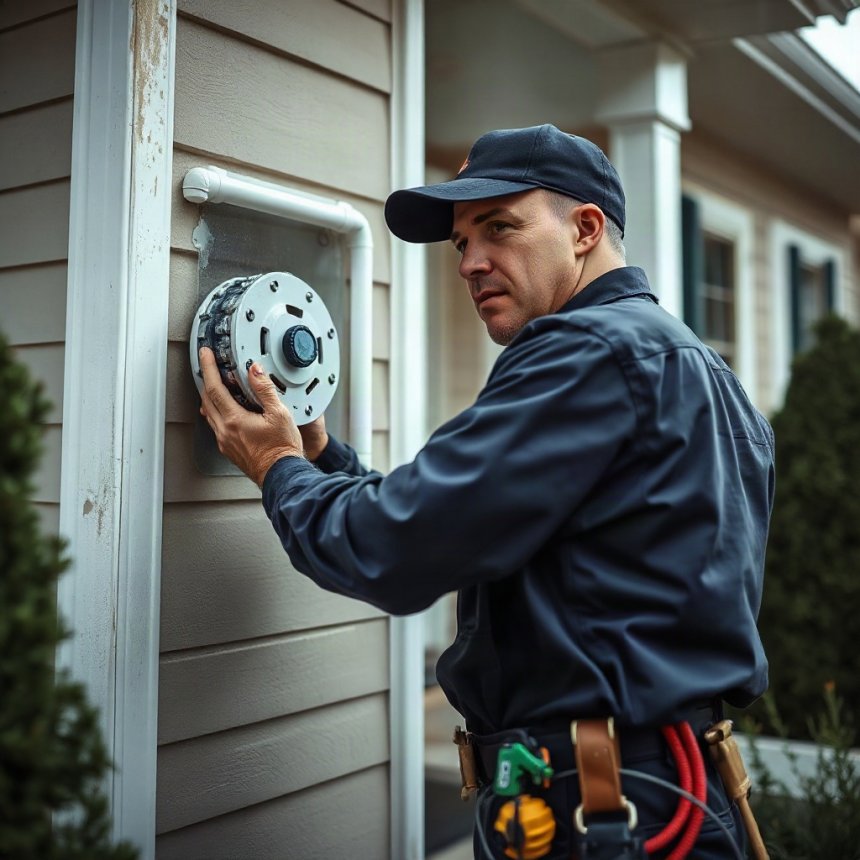
Immediate Steps When Your Valdosta Home Is Flooding
Discovering water actively flooding your living space creates instant panic. Whether the water is pooling across a kitchen floor from a supply line failure, backing up from a drain, or pouring through a ceiling from an upstairs bathroom, quick and decisive action is required to minimize structural damage and protect your property. In a humid climate like Valdosta, Georgia, trapped moisture creates rapid mold growth risks within 24 to 48 hours, making fast mitigation just as crucial as stopping the leak.
The very first priority during an active indoor flood is personal safety and halting the flow of water. Never walk through standing water if there is any chance it has made contact with electrical outlets, extension cords, baseboard heaters, or appliances. If water is near electrical sources, you must shut off power to the affected area at the main circuit breaker panel before stepping into the water.
How to Locate and Shut Off Your Main Water Valve
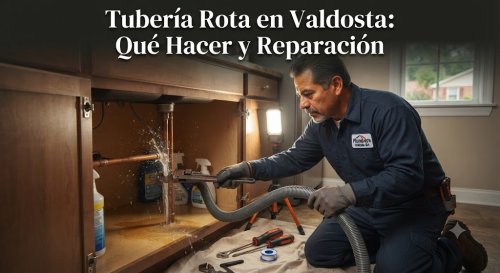
Stopping the water source as quickly as possible dictates how severe the damage will be. If the flooding stems from a localized fixture like a running toilet, a failing sink supply line, or a leaking water heater, closing the designated shut-off valve beneath the fixture or on the appliance stops the flow immediately. However, if the source remains unknown, or if a supply pipe has burst, you must shut off the main water supply to the entire property.
- Indoor Main Shut-Off: In many residential properties across the region, the main shut-off valve is located where the water supply line enters the home, often in a utility room, garage, or a lower-level storage area.
- Outdoor Meter Box: If you cannot locate an indoor valve or if it is rusted open, the main municipal water supply can usually be shut off at the meter box near the street line. This typically requires a specialized meter key tool.
Once the water is shut off, open the lowest faucets in the house to drain remaining pressure and residual water from the supply piping.
Distinguishing the Source of the Floodwater
Not all indoor flooding originates from clean pressurized supply lines. Identifying the type of water flooding your home dictates how cleanup and remediation must be handled.
Clean Water Flooding
Water originating from supply lines, broken water heater tanks, or refrigerator ice-maker lines is considered clean. While destructive to flooring and drywall, it poses minimal immediate health risks during cleanup.
Grey Water Flooding
Water from washing machine discharge hoses, dishwasher overflows, or certain sink backups contains mild chemical or organic contaminants. Immediate extraction and disinfection are necessary.
Black Water Flooding
Water backing up from main sewer lines or resulting from severe storm drain inundation contains raw sewage, bacteria, and pathogens. Never attempt to clean black water flooding without proper protective equipment, and professional remediation is strongly recommended.
Hidden Diagnostic Clues and Contributing Factors
Understanding why a flood occurred helps prevent future emergencies. Property owners often focus entirely on the visible damage while missing the underlying system failure.
- Pressure Spikes: Municipal water pressure that creeps too high overnight can stress older supply lines, leading to sudden fitting failures or burst hoses.
- Corroded Connections: Older threaded brass or galvanized pipe nipples frequently fail without warning due to internal mineral scaling and exterior corrosion accelerated by high ambient humidity.
- Drainage Restrictions: Heavy local rainfall combined with saturated soil can overwhelm exterior drainage systems or private sewer lateral lines, forcing stormwater or sewage backward into lower-level floor drains.
Safe Homeowner Checks Versus Professional Repair
Homeowners can safely perform several steps to manage the immediate aftermath while knowing when to call a professional:
- Safe Actions: Shut off water and power supplies, move valuable items and rugs away from standing water, document damage with photographs for insurance purposes, and begin initial surface water removal with towels or a wet-dry vacuum if safe.
- Professional Assistance Required: Major pipe reconstruction, main sewer line clearing, electrical appliance inspection, structural drying, and drywall or subfloor replacement should be handled by licensed professionals with specialized equipment.
- Source and Volume: Clean water pipe repairs are generally straightforward, whereas sewage backups require specialized sanitization and biohazard disposal protocols.
- Extent of Penetration: Water that has traveled beneath baseboards, soaked into subflooring, or migrated down wall cavities requires industrial dehumidifiers and air movers.
- Accessibility: Leaks occurring behind finished walls, beneath concrete slabs, or within tight crawl spaces demand specialized diagnostic equipment and targeted opening of building materials to effect repairs.
- Timing: Emergency after-hours responses involve different labor structures compared to standard scheduled service calls.
Factors Affecting Water Damage Mitigation and Repair Costs
When professional help is required to repair the underlying plumbing failure and remediate the damage, several variables influence the overall scope and cost:
Frequently Asked Questions
Frequently Asked Questions
Should I turn off my water heater if my home is flooding?
Yes. If the floodwater surrounds a gas or electric water heater, or if the water heater itself caused the flood due to a tank rupture, shut off its power supply or gas valve. Leaving a gas water heater running without water in the tank can damage the heating elements or create a severe safety hazard.
How quickly should I begin drying out my home after a plumbing leak?
Mitigation should begin immediately. In warm, humid environments, high indoor humidity accelerates mold colonization within 24 to 48 hours. Using fans, air conditioning, and professional structural drying equipment prevents secondary damage.
What should I do if my main water shut-off valve is stuck?
Do not force a stuck valve with excessive leverage, as older gate valves can snap easily, compounding the emergency. If an indoor valve will not turn, use the outdoor curb stop at the street meter box if you have the proper tool, or contact a licensed professional immediately.
Can heavy rain in Valdosta cause indoor plumbing flooding?
Yes. Excessive rainfall can saturate soil around the foundation, infiltrating cracked sewer laterals or overwhelming municipal stormwater and sanitary sewer mains. This can cause wastewater to back up through lower-level floor drains, tubs, and toilets.
How do I know if my insurance covers indoor water damage?
Coverage depends entirely on your specific policy and the origin of the water. Sudden and accidental plumbing failures, such as a burst supply pipe, are typically covered, whereas damage resulting from gradual wear and tear or exterior surface flooding often requires separate riders. Always contact your insurance provider and document all damage thoroughly.