Valdosta GA Plumbing Maintenance Guide: Seasonal Tips
Protect your Valdosta home with practical plumbing maintenance. Learn seasonal checks, crawl space care, drain habits, and warning signs to prevent failures.


Protecting Your Property with a Smart Plumbing Maintenance Routine
Maintaining a residential or commercial plumbing system involves much more than waiting for a pipe to burst or a drain to back up. In South Georgia, local environmental conditions—such as high humidity, intense summer heat, heavy seasonal downpours, and expansive clay soils—place unique stress on pipes, fixtures, and drainage networks. Establishing a proactive plumbing maintenance schedule helps property owners catch minor issues before they turn into costly structural damage, emergency water leaks, or sudden sewage backups.
This guide explains practical, high-value maintenance steps for Valdosta homes and properties. It details what you can safely check yourself, which seasonal factors matter most, and when it is time to bring in professional equipment for a proper diagnosis.
Understanding Local Environmental Factors in Valdosta
Plumbing systems do not exist in a vacuum; they interact constantly with their surrounding environment. Properties in the Valdosta area face specific geographic and climatic challenges that dictate how maintenance should be prioritized.
- High Humidity and Crawl Spaces: Many local homes feature crawl spaces rather than full basements or concrete slabs. High ambient humidity combined with poor crawl space ventilation can accelerate exterior pipe corrosion, foster wood rot, and invite moisture-loving pests that chew through foam insulation or soft materials.
- Heavy Summer Rainfall: Intense regional storms dump massive amounts of water in short periods. If exterior drainage grades toward the foundation or if roof runoff overloads perimeter cleanouts, stormwater can infiltrate sewer laterals or saturate the soil around underground pipes, causing soil shifting and joint separation.
- Mineral Content: While water conditions vary by neighborhood and well versus municipal supply, hard water or dissolved minerals can accumulate inside water heaters, aerators, and supply valves over time, reducing flow rates and shortening equipment lifespans.
Spring and Summer Plumbing Preparation
As temperatures rise and summer thunderstorms approach, certain plumbing components require direct attention. Preparing your system before peak humidity and storm season arrives prevents unexpected mid-summer failures.
Inspecting Outdoor Faucets and Irrigation Backflow Preventers
Outdoor hose bibs (spigots) and underground irrigation lines take heavy use during dry, warm spells. Before heavy lawn-watering season begins, open each outdoor faucet and check for smooth operation. Place a thumb over the running spout; if you can easily stop the water flow completely, it may indicate a pressure issue or internal valve wear. Ensure that anti-siphon vacuum breakers are functioning correctly and that hose connections are not leaking back against the exterior siding, which can rot wood framing or seep into wall cavities.
Testing Sump Pumps and Perimeter Drainage
While not every local property has a basement or deep sub-grade utility area, homes with below-grade rooms, low-lying yards, or prone crawl spaces rely heavily on sump pumps. Pour a bucket of clean water directly into the sump pit to verify that the float switch rises smoothly, the pump activates immediately, and water discharges far away from the building foundation. Check the discharge line to ensure roots, dirt, or insect nests have not blocked the outlet.
Fall and Winter Operational Checks
Although South Georgia winters are generally mild, freezing temperatures can occasionally occur overnight. A sudden hard freeze can catch homeowners off guard if exterior plumbing is left unprotected.
- Disconnect and Drain Garden Hoses: Leaving a hose attached to an outdoor spigot during a freezing night traps water inside the pipe sleeve. When that water freezes and expands, it cracks the copper or brass valve housing from the inside, often resulting in a hidden leak inside the wall when the hose is turned back on in the spring.
- Insulate Exposed Pipes: Inspect supply lines running through unconditioned crawl spaces, exterior walls, or utility closets. Wrapping these pipes in foam insulation sleeves prevents minor cold snaps from disrupting your water supply.
- Locate the Main Water Shut-Off Valve: Every adult in the household should know exactly where the main water shut-off valve is located and how to operate it. In an emergency—such as a ruptured supply line or broken water heater tank—seconds count. Practice turning the valve off and on to ensure it does not stick.
Routine Indoor Maintenance Checklist
Internal plumbing fixtures provide daily clues about the health of your overall water and drainage system. Incorporating these simple checks into your monthly routine saves money and prevents unexpected water damage.
Monitoring Water Meters for Hidden Leaks
One of the most effective diagnostic checks is reading your water meter when no water is actively being used inside or outside the property. Turn off all faucets, showers, and irrigation systems, and make sure automatic appliances like ice makers and dishwashers are idle. Check the low-flow indicator triangle or sweep hand on the water meter dial. If it is moving, water is escaping somewhere in the system—often through a silent toilet flapper leak, a cracked underground supply line, or a slow joint leak beneath a floor.
Evaluating Toilet Operation
Toilets account for a large percentage of indoor water use. Listen closely for phantom flushing—where the toilet refills automatically without anyone touching the handle. This indicates a deteriorating flapper valve that is slowly bleeding clean water from the tank into the bowl. Adding a few drops of dark food coloring to the tank can confirm the leak; if color appears in the bowl within ten minutes without flushing, the flapper requires replacement.
Clearing Aerators and Showerheads
Mineral scale buildup can restrict water flow at sink faucets and showerheads. Unscrew the threaded aerator tip from bathroom and kitchen faucets, rinse out trapped sediment, and soak parts in a mild descaling solution if necessary. A sudden drop in pressure at a single fixture is almost always caused by a clogged aerator rather than a main supply failure.
Drain and Sewer System Maintenance Habits
Proper daily habits prevent stubborn clogs and costly sewer line backups. Many drainage emergencies stem from the accumulation of materials that should never enter a residential plumbing system.
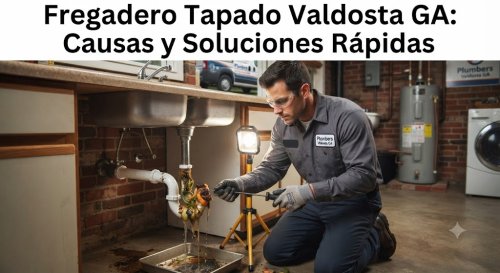
- Kitchen Sink Discipline: Never pour cooking grease, oil, or food scraps down the kitchen drain. Liquid fats cool inside the waste pipe, solidify, and catch passing food particles, creating rock-hard blockages that standard drain snakes struggle to clear.
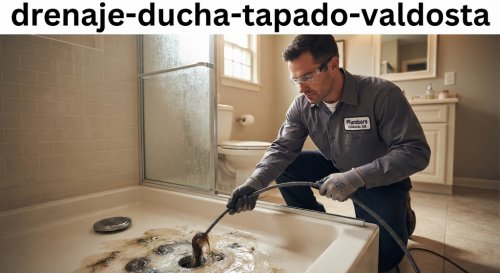
- Bathroom Drain Protection: Install fine-mesh hair catchers over shower and tub drains. Hair combined with soap scum is the primary cause of slow bathtub drainage.
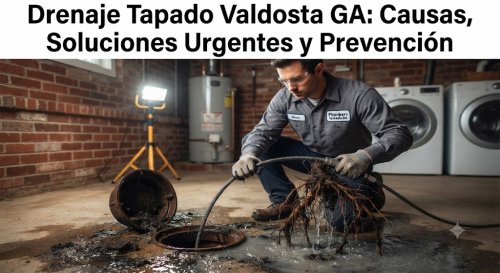
- Understanding Flushable Wipes: Despite marketing labels, so-called "flushable" wet wipes, paper towels, and hygiene products do not break down rapidly in sewer lines. They frequently snag on pipe offsets or root intrusions, forming dense blockages in main sewer laterals.
When to Schedule Professional Plumbing Evaluations
While routine maintenance and minor troubleshooting are well within a homeowner's capability, certain situations require specialized diagnostic equipment and licensed expertise. Knowing when to call a professional prevents minor maintenance from escalating into major property restoration.
Consider scheduling a professional plumbing inspection if you notice any of the following warning signs:
- Recurring Multi-Fixture Backups: If a toilet flush causes water to bubble up in the shower drain or sink, the problem is not a simple fixture clog. It points to a blockage or structural defect in the main drain or sewer lateral.
- Unexplained Stagnant Water or Lush Lawn Patches: A bright green, soggy patch in the yard during a dry spell often signals a leaking underground water supply line or a broken sewer pipe.
- Sudden Water Pressure Fluctuations: If pressure drops dramatically across multiple fixtures simultaneously, the pressure-reducing valve (PRV) may be failing, or a main supply pipe may be restricted.
- Water Heater Age and Sediment Noises: If your tank water heater is over ten years old, rumbling or popping noises during the heating cycle indicate heavy sediment accumulation at the bottom of the tank, which can lead to premature tank wall failure.
Frequently Asked Questions
How often should I have my home plumbing system professionally inspected?
For most residential properties, a professional plumbing and drain inspection every two to three years is sufficient. However, homes older than 30 years, properties with mature trees near underground sewer lines, or commercial buildings with heavy daily usage benefit from annual evaluations.
What should I do if my main water shut-off valve is stuck or leaking?
Do not force a stuck valve with excessive leverage, as older brass or gate valves can easily snap off, causing a major indoor flood. If the valve cannot be turned smoothly by hand or leaks around the packing nut when manipulated, contact a licensed plumber to replace it with a modern quarter-turn ball valve.
Can chemical drain cleaners damage my plumbing pipes?
Yes. Frequent use of harsh chemical drain openers generates intense heat that can warp PVC pipes, degrade older metal pipe threads, and damage rubber fixture seals. Furthermore, if the chemical fails to clear the clog, it leaves standing caustic liquid in the pipe, creating a severe safety hazard for anyone attempting mechanical snaring.
Why does my toilet run intermittently even when no one uses it?
This is almost always caused by a worn rubber flapper valve at the bottom of the tank that fails to form a watertight seal against the flush valve seat. Over time, chlorine in municipal water degrades the rubber, making it stiff and warped. Replacing the flapper is a simple, inexpensive DIY fix.
How can I protect my outdoor pipes during an unexpected freeze?
Disconnect all garden hoses, drain any water remaining in the spigot, and install insulated foam faucet covers over exterior hose bibs. If temperatures drop severely for an extended period, opening cabinet doors beneath kitchen and bathroom sinks located on exterior walls allows warm indoor air to circulate around exposed supply pipes.