Valdosta GA Plumbing Maintenance Guide for Homeowners
Learn essential plumbing maintenance for Valdosta GA homes. Protect your pipes, water heater, and drains against local weather and seasonal demands.

Protecting Your Home's Plumbing in Valdosta, Georgia
Owning a home in Valdosta, GA comes with unique property upkeep responsibilities, and the plumbing system is no exception. Long stretches of intense summer heat, high humidity, heavy seasonal rainfall, and localized soil conditions all influence how residential plumbing networks age and perform. A proactive plumbing maintenance routine helps prevent unexpected failures, protects structural integrity, and extends the lifespan of major fixtures and supply lines.
Rather than waiting for a pipe to burst, a water heater to leak, or a main sewer line to back up during a heavy South Georgia storm, regular inspections allow homeowners to catch minor wear before it turns into an expensive emergency. This guide outlines practical, system-specific maintenance steps tailored to the realities of Valdosta properties.
Seasonal Plumbing Pressures in South Georgia
Understanding how local environmental factors impact plumbing systems helps direct maintenance efforts where they matter most. Valdosta properties experience specific stresses throughout the year:
- High Humidity and Crawl Spaces: Many local homes feature crawl spaces rather than full basements or slab-on-grade foundations. High atmospheric moisture creates condensation on cold water supply lines, which can drip onto framing or insulation and mimic actual pipe leaks.
- Summer Demand Spikes: Higher indoor water use during warmer months, combined with lawn irrigation systems running frequently, places constant pressure on main water supply lines and outdoor hose bibs.
- Intense Storms and Drainage: Heavy downpours test exterior drainage systems, property grading, and sewer laterals. Saturated soil can shift underground clay or cast-iron pipes, stressing joints.
- Mineral Content: While water supply characteristics vary across neighborhoods, managing mineral scale buildup in water-heating appliances remains an essential part of local upkeep.
Quarterly Indoor Plumbing Inspections
A thorough visual walkthrough every three to four months can reveal developing problems long before they require major repairs. Focus on these key areas:
1. Toilets and Fixture Supply Lines
Check behind every toilet and beneath every sink. Feel flexible supply lines for stiffness, bulging, or dampness. Braided stainless steel lines are generally more durable than older plastic or unreinforced rubber lines, but all supply lines degrade over time. Inside the toilet tank, observe the flush cycle. A toilet that runs intermittently wastes hundreds of gallons of water and indicates a failing flapper or fill valve.
2. Drains and Trap Behavior
Run water in all sinks, showers, and tubs simultaneously for a minute to check drainage speed. If a drain gurgles or drains sluggishly, it often points to a venting restriction or a developing partial blockage in the branch line. Slow drains treated early with mechanical clearing prevent total clogs later.
3. Water Meter Test for Hidden Leaks
Check your water meter dial when no water is running inside or outside the home. If the small leak indicator triangle or dial is moving, water is escaping somewhere in the property. This simple test helps catch silent toilet leaks, underground supply line breaks, or running irrigation valves early.
Water Heater Maintenance: Protecting Your Tank
Water heaters work continuously to supply hot water, making them one of the most critical appliances in a Valdosta home. Sediment buildup at the bottom of the tank is a common issue that reduces efficiency, causes rumbling noises during heating cycles, and accelerates internal corrosion.
Flushing the water heater tank once a year removes accumulated sediment, especially in areas with heavier mineral content. To perform a safe flush:
- Turn off the power supply to electric water heaters at the breaker panel (or switch gas units to 'pilot' mode).
- Allow the water inside the tank to cool slightly so you do not risk scalding.
- Attach a garden hose to the drain valve at the bottom of the tank and run the other end to a safe outdoor drainage point.
- Open the pressure relief valve slightly and open the drain valve to let water and sediment flush out until the stream runs clear.
- Close the drain valve, disconnect the hose, refill the tank completely by opening a hot water tap indoors, and then restore power or gas.
Additionally, inspect the anode rod every two to three years. The anode rod sacrifices itself to attract corrosive minerals so the steel tank does not rust. Once the rod is fully depleted, tank failure happens rapidly.
Outdoor and Drainage Maintenance
Exterior plumbing components are frequently overlooked until seasonal weather causes a failure.
Outdoor Faucets and Hose Bibs
Inspect outdoor faucets for drips or cracks. While Valdosta winters are generally mild, occasional freezing temperatures can occur. Ensure garden hoses are disconnected before freezing nights to prevent trapped water from expanding inside the valve and splitting the copper pipe inside the wall.
Gutter and Yard Drainage
Heavy rainfall requires efficient surface drainage. Keep gutters and downspouts clear, and ensure roof runoff is directed at least several feet away from the home’s foundation. Pooling water near foundation walls can saturate soil, exerting hydrostatic pressure against foundation walls and straining subterranean sewer lines.
Main Sewer Line Awareness
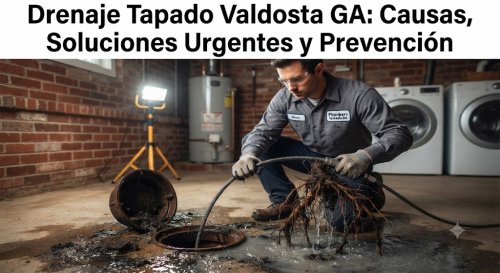
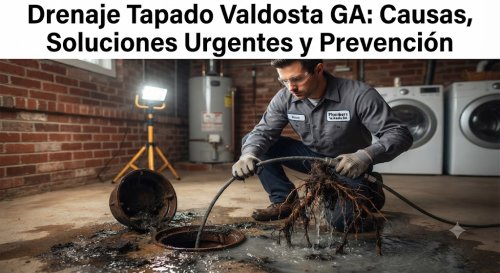
Properties with mature trees face potential root intrusion into underground sewer lateral lines. Tree roots naturally seek moisture and enter tiny cracks in older clay or cast-iron pipes. Slow-draining multi-fixture backups (such as a toilet gurgling when the washing machine drains) are classic warning signs that the main sewer line needs professional inspection.
When to Schedule Professional Plumbing Service
While DIY maintenance covers visual checks, minor cleaning, and basic testing, certain situations demand qualified professional expertise:
- Persistent main sewer backups or recurring multi-fixture clogs that basic clearing does not resolve.
- Suspected under-slab or behind-the-wall water leaks identified by unexplained meter movement or damp drywall.
- Water heater failure, persistent leaks from the tank body, or electrical/gas control malfunctions.
- Noticeable drops in overall home water pressure that cannot be resolved by cleaning faucet aerators.
Professional plumbers utilize specialized diagnostic tools such as electronic leak detectors, sewer camera inspection scopes, and hydrostatic pressure testing equipment to pinpoint issues accurately without unnecessary exploratory demolition.
Factors Influencing Plumbing Repair and Maintenance Costs
When professional intervention is necessary, understanding what drives plumbing service costs helps homeowners evaluate estimates. Factors include:
-
Accessibility: Pipes located deep beneath concrete slabs, inside finished walls, or within cramped crawl spaces require more labor to access than exposed lines.
Equipment Requirements: Advanced diagnostics, such as video camera inspections or high-pressure hydro-jetting, involve specialized gear.
Scope of Repair: Spot-repairing a localized pipe section differs significantly from repiping an older home or replacing a compromised sewer lateral.
Urgency: Emergency after-hours callouts typically involve different rate structures due to immediate dispatching requirements.
A transparent professional estimate should clearly separate diagnostic charges, labor time, replacement parts, and any necessary restoration work.
Frequently Asked Questions
How often should a Valdosta home plumbing system be inspected?
Homeowners should perform basic visual checks quarterly. A comprehensive professional plumbing inspection is recommended every two to three years, or immediately before purchasing an older home to assess pipe condition and water heater health.
Why does my water heater make a popping or rumbling noise?
Rumbling or popping noises usually indicate a layer of sediment and mineral scale accumulated at the bottom of the tank. When the burner or heating element heats the water, trapped water beneath the sediment boils and bubbles up. Flushing the tank typically resolves this noise.
What causes a toilet to run continuously, and how can I fix it?
A continuously running toilet is usually caused by a worn flapper valve at the bottom of the tank that fails to form a tight seal, or a fill valve set too high causing water to spill into the overflow tube. Replacing the flapper is a quick, inexpensive fix for most homeowners.
How can I tell if a slow drain is a local fixture issue or a main sewer problem?
If only one sink or shower drains slowly, the obstruction is likely localized to that fixture's trap or branch line. If multiple plumbing fixtures throughout the house drain slowly or back up simultaneously when water is used elsewhere, the issue is likely in the main drain or sewer lateral.
Are crawl space supply lines at risk of freezing during Valdosta winters?
While hard freezes are relatively rare in South Georgia, severe cold snaps do occur. Uninsulated water supply pipes in unheated crawl spaces are vulnerable during sudden temperature drops. Adding foam pipe insulation provides effective protection against occasional freezing weather.
What indicates an invisible water leak behind a wall or under a floor?
Common indicators include an unexplained increase in your monthly water bill, the sound of running water when all fixtures are turned off, warm spots on a floor slab, musty odors in a crawl space, or bubbling paint and damp drywall.