Plumbing Problems Common in Valdosta GA Homes & Causes
Discover the most frequent plumbing issues in Valdosta GA homes, from Georgia humidity and slab leaks to drainage strain, and learn how to diagnose them.

Understanding Plumbing Challenges in Valdosta Properties
Every region presents unique environmental conditions that influence how residential and commercial plumbing systems behave over time. In Valdosta, Georgia, properties face a combination of long, warm seasons, high humidity, intense seasonal rainstorms, and specific soil and foundational characteristics. When a plumbing failure occurs, it rarely happens in isolation. Understanding the interaction between local conditions and interior plumbing components helps property owners diagnose issues accurately, separate minor annoyances from major structural failures, and avoid unnecessary or misdirected repairs.
How Valdosta Climate and Soil Impact Your Plumbing
The local environment plays a significant role in how piping networks, outdoor fixtures, and drainage systems age. Recognizing these factors explains why certain plumbing failures appear more frequently in this part of South Georgia.
- High Humidity and Moisture: Elevated ambient moisture levels in crawl spaces and basements slow down evaporation, turning minor condensation or microscopic fixture leaks into breeding grounds for mold and wood rot.
- Heavy Summer Rainfall: Intense regional storms dump large volumes of water quickly. If exterior grading, gutters, or storm drainage lines fail to carry runoff away from the foundation, hydrostatic pressure builds against subgrade walls and sewer lines.
- Temperature Shifts: While prolonged freezing temperatures are rare, sudden seasonal fluctuations can stress exposed outdoor water lines and vacuum breakers.
- Soil and Foundation Dynamics: Many local properties utilize slab-on-grade construction or elevated crawl spaces. Shifting sub-base soils can place mechanical stress on buried or embedded pipes, occasionally leading to joint separation or friction-induced pinhole leaks.
Frequent Indoor and Sub-Surface Plumbing Failures
Property owners throughout the area typically encounter a specific set of recurring plumbing symptoms. Examining what these symptoms actually prove can prevent misdiagnoses.
1. Slow Drains and Main Sewer Line Sluggishness
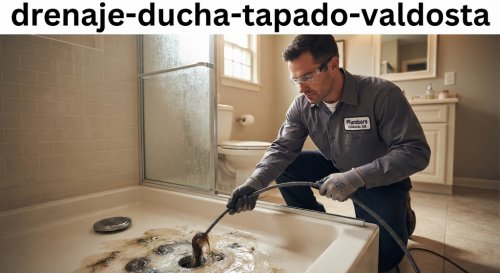
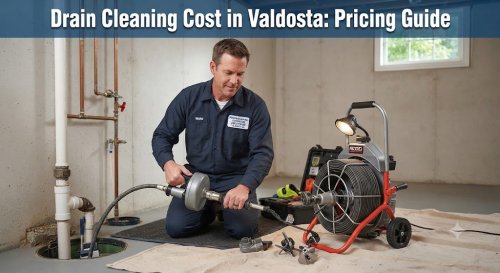
When multiple plumbing fixtures—such as a shower, toilet, and sink—begin draining slowly at the same time, the restriction is almost never localized to a single trap. Instead, the problem usually resides in the main building drain or the outdoor sewer lateral.
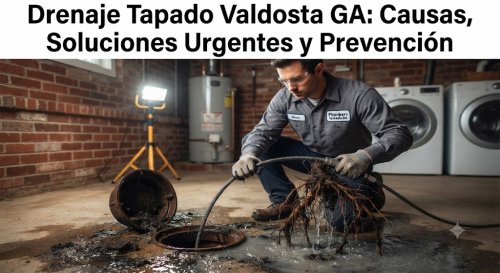
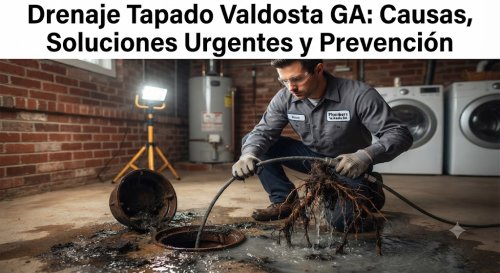
In heavily wooded residential lots common across Valdosta neighborhoods, intrusive tree roots seek out microscopic joints or micro-cracks in underground clay, cast iron, or older PVC sewer pipes. Once inside, roots form dense webs that catch grease, paper, and debris. Slow draining accompanied by gurgling sounds in lower-level fixtures often indicates that the plumbing system is struggling to vent air properly because a partial blockage is choking the main drain pipe.
2. Slab Leaks and Hidden Supply Line Drops
Homes built directly on concrete slabs feature water supply lines routed underneath or through the concrete foundation. Over decades, abrasion against aggregate stone, chemical reactions with soil, or internal pipe corrosion can compromise these lines.
A sudden, unexplained spike in a monthly water bill, the sound of rushing water when all fixtures are turned off, or warm spots on a tiled floor are classic warning signs of a sub-slab supply leak. Homeowners should note that simply shutting off individual bathroom valves will not stop a leak located on the main supply trunk line beneath the slab.
3. Crawl Space Condensation Versus Active Leaks
Many elevated homes in the area feature ventilated crawl spaces. During humid summer months, warm exterior air enters the crawl space, hits cold supply pipes, and produces heavy condensation. This moisture accumulation often mimics an active plumbing leak, dripping onto the soil below.
Differentiating between condensation and an actual pipe failure requires inspecting pipe joints, valves, and fixture supply lines closely. If the entire length of a cold-water line is uniformly wet while fittings remain dry, condensation is the likely culprit. If water beads specifically at a threaded connection, solder joint, or pinhole fracture, a repair is necessary.
4. Water Heater Stress from Heavy Demand
Water heaters work harder during periods of high household occupancy or when incoming groundwater temperatures fluctuate between seasons. Sediment buildup—consisting of minerals and particulate matter—settles at the bottom of tank-type water heaters. In areas with high mineral content or older municipal supply lines, this sediment layer acts as a thermal barrier between the burner or lower heating element and the water. This causes overheating, rumbling noises, and premature tank degradation.
Safe Homeowner Checks and Diagnostic Steps
Before calling for professional service, homeowners can safely perform several diagnostic evaluations to gather valuable information:
- The Water Meter Test: Ensure all indoor and outdoor faucets, ice makers, and appliances are completely turned off. Locate the water meter outside and check the leak indicator dial (often a small red or blue triangle). If it is spinning or moving slowly, water is escaping somewhere on the property.
- Fixture Isolation: If water pressure drops at a single kitchen faucet, unscrew and inspect the aerator screen. Mineral scale or debris often clogs this small mesh, restricting flow without indicating a plumbing supply failure.
- Drain Behavior Observation: Note whether a clogged fixture drains completely when left alone for hours. If standing water slowly disappears overnight, the obstruction is partial; if the water level remains identical, the line is fully blocked.
When Professional Intervention Is Essential
Certain plumbing conditions exceed safe do-it-yourself capabilities and require specialized diagnostic equipment. Property owners should contact a licensed professional when:
- A main sewer line backs up raw sewage into bathtubs or floor drains.
- A hidden water leak is suspected beneath a concrete slab or behind finished walls, requiring electronic acoustic leak detection or thermal imaging.
- Water supply pressure drops system-wide without an obvious municipal outage explanation.
- Polybutylene piping or heavily corroded galvanized steel supply lines begin experiencing repeated pinhole failures.
Cost Factors Associated with Common Plumbing Repairs
Plumbing repair pricing varies widely depending on the physical scope and complexity of the work. Rather than relying on flat-rate expectations, property owners should understand the variables that influence final costs:
- Accessibility: Repairing an exposed pipe in an open crawl space takes significantly less time and labor than excavating beneath a concrete slab or opening finished drywall.
- Pipe Material and Age: Older infrastructure often requires transitional couplings, specialized fittings, or partial repiping rather than a simple patch.
- Diagnostic Depth: Complex issues such as intermittent hidden leaks or root-damaged sewer lines may require video camera inspections and pressure testing to locate the exact failure point accurately.
- Emergency Timing: After-hours or weekend emergency dispatches involve specialized mobilization and labor considerations.
Frequently Asked Questions
Why do my drains gurgle when the washing machine empties?
Gurgling occurs when a large volume of water rushes down a drain, pushing air ahead of it. If your venting system is partially blocked or if a main drain line has a partial obstruction, the air escapes backward through sink or shower traps, creating the bubbling sound. This is an early warning sign of a developing drainage restriction.
How can I tell if my high water bill is caused by a hidden leak or a running toilet?
A running toilet continuously trickles water from the tank into the bowl, wasting hundreds of gallons a day while often making only a faint hissing sound. You can test this by dropping a few drops of food coloring into the toilet tank; if color appears in the bowl within 10 to 15 minutes without flushing, the flapper valve is leaking. If toilets check out fine, a hidden supply or underground line leak is more likely.
Is it normal for outdoor hose bibs to drip after heavy use?
No. A dripping hose bib usually indicates a worn internal washer, a damaged valve seat, or a compromised packing nut. Leaving an outdoor faucet unaddressed can lead to constant water waste and localized saturation around your home’s exterior foundation wall.
Why does my water pressure suddenly drop throughout the entire house?
A system-wide pressure drop usually points to a main water supply issue. Check your main shut-off valve near the water meter or where the main line enters the property to ensure it is fully open. If the valve is open, contact your local water utility provider to verify whether there is a municipal supply disruption or pressure reduction in your neighborhood.
What causes recurring toilet clogs in the same bathroom?
If a toilet clogs repeatedly despite standard plunging, the issue may stem from an obstruction trapped in the toilet trapway, a venting problem in the branch line, or a partial restriction further down the main sanitary drain. Foreign objects dropped into the bowl can also lodge permanently in the trap curve.
Should I attempt to clear a main sewer line clog with a standard hand snake?
Standard hand-held drain snakes purchased at home improvement stores are designed for secondary sink or tub branch lines, typically spanning 15 to 25 feet. Attempting to clear a main sewer lateral with an undersized snake is rarely effective against heavy tree roots or solid blockages located 50 feet or more from the house, and the cable can easily become twisted or stuck inside the pipe.