Common Plumbing Problems in Valdosta GA Homes & Fixes
Discover common plumbing problems in Valdosta GA homes, from humidity-driven issues to drainage troubles, with practical diagnostic tips and safe guidance.


Understanding Unique Plumbing Challenges in Valdosta Homes
Valdosta homeowners face a distinct set of plumbing challenges driven by local environmental conditions, construction styles, and seasonal weather patterns. The combination of intense summer heat, prolonged high humidity, heavy seasonal downpours, and specific sub-floor configurations can stress residential plumbing systems in ways not commonly found in other regions. Recognizing why these problems develop helps property owners distinguish between minor maintenance tasks and warning signs that require professional intervention.
Rather than treating every plumbing issue as an isolated failure, looking at how soil movement, moisture, and heavy water usage interact with your home's infrastructure provides a clearer picture of system health. Whether you live in an older established neighborhood with mature trees or a newer residential development, understanding your property's vulnerability can prevent minor inconveniences from turning into major structural repairs.
How Valdosta's Climate and Soil Impact Plumbing Systems
Environmental factors play a massive role in how residential plumbing performs over time. In South Georgia, the humid subtropical climate and heavy summer storms directly affect both indoor and outdoor plumbing components.
- High Humidity and Crawl Spaces: Many properties across the area utilize raised foundations with crawl spaces rather than solid concrete slabs. High relative humidity creates damp crawl space environments where condensation readily forms on cold water supply lines, potentially mimicking active pipe leaks and accelerating external corrosion on metallic fittings.
- Heavy Rainfall and Drainage: Intense tropical systems and sudden afternoon thunderstorms dump massive volumes of water rapidly. If surface grading directs stormwater toward foundation walls or if perimeter drainage is sluggish, hydrostatic pressure can build against foundation walls, occasionally shifting underground sewer laterals or straining exterior cleanouts.
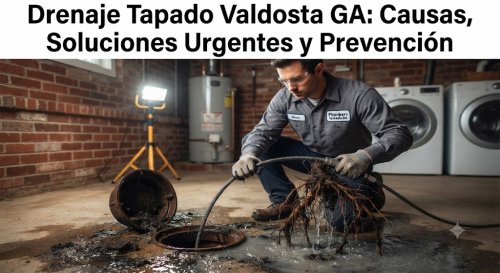
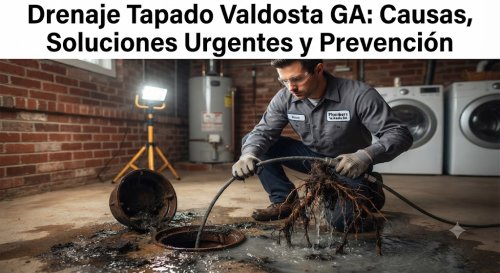
- Tree Root Intrusion: Mature oak, pine, and sweetgum trees thrive throughout the region. Tree roots constantly seek moisture sources and frequently infiltrate minor joints or hairline cracks in older clay, cast iron, or early-generation PVC sewer laterals, leading to recurring slow drains and sewage backups.
Frequent Plumbing Failures in Valdosta Properties
Certain plumbing symptoms appear with notable frequency across local residences. Knowing what these symptoms actually indicate prevents misdiagnosis and wasted effort.
1. Slow Drains and Main Sewer Line Sluggishness
When a single sink drains slowly, the obstruction is usually localized to that fixture's trap or pop-up assembly. However, when multiple plumbing fixtures—such as a bathtub, toilet, and kitchen sink—begin draining slowly or gurgling simultaneously, the problem almost always points to a blockage or venting restriction further downstream in the main building drain or exterior sewer lateral.
Hidden Insight: A toilet that gurgles when the washing machine empties indicates that wastewater is struggling to escape the drainage stack, forcing air bubbles up through the toilet trap. This is an early warning sign of a partial main line restriction long before a total backup occurs.
2. Undetected Hidden Water Leaks
Continuous water pressure inside supply lines combined with shifting soil conditions can cause pinhole leaks in metallic pipes or joint failures in older plastic piping. Because many local homes feature crawl spaces or slab foundations, hidden leaks often go unnoticed until a spike appears on the water bill, a musty odor develops, or flooring begins to warp.
Diagnostic Clue: If your water meter's small leak indicator dial is spinning while every appliance, faucet, and toilet inside the home is completely shut off, an active pressurized supply leak is present somewhere between the meter and your fixtures.
3. Water Heater Stress from Heavy Seasonal Demand
Water heaters work continuously year-round, but summer cold-water inlet temperatures are relatively high, while winter groundwater temperatures drop significantly. Sediment accumulation inside the tank lowers heating efficiency, creates popping noises, and can cause premature bottom-plate corrosion.
Safe Homeowner Inspections and Temporary Actions
Homeowners can safely perform routine visual checks to catch developing issues early without risking personal safety or property damage.
- Monthly Meter Check: Turn off all indoor and outdoor water sources, then check your property's water meter to verify if the flow indicator is moving.
- Crawl Space Inspection: Periodically peek into accessible crawl spaces with a flashlight to look for pooling water, damp soil, dripping supply lines, or unusual condensation pooling around foundation penetrations.
- Exterior Hose Bib Check: Ensure outdoor faucets are protected during sudden winter freezes, which occasionally strike the region and crack uninsulated exterior pipes.
- Drain Strainer Maintenance: Clean hair and soap scum out of shower and tub drains regularly to prevent organic buildup from choking branch lines.
Safety Warning: Never attempt to clear main sewer line obstructions using chemical drain cleaners if the line is completely blocked. Corrosive chemicals can sit stagnant in the pipe, pose severe splash hazards during manual plunging or snaking, and damage older pipe materials.
When Professional Diagnosis Becomes Necessary
While basic clog removal and fixture adjustments are manageable for homeowners, certain situations require specialized diagnostic equipment and licensed professional expertise.
- Sewer Camera Inspections: When recurring clogs plague a home, a specialized fiber-optic camera inspection reveals the exact interior condition of underground pipes, identifying root intrusion, bellied pipes, cracks, or offset joints.
- Electronic Leak Detection: Acoustic listening devices and thermal imaging equipment help pinpoint hidden pressurized leaks beneath slabs or inside finished walls without requiring destructive exploratory demolition.
- Pressure Regulating Valve (PRV) Testing: Excessively high municipal water supply pressure can stress plumbing fixtures and water heater tanks. Professional pressure gauge testing determines if a PRV needs adjustment or replacement.
Repair Options and Cost Factors Explained
When professional plumbing repairs are necessary, the scope of work dictates the overall investment. Understanding what drives plumbing costs helps homeowners evaluate estimates objectively.
| Repair Type | Primary Cost Drivers | Scope Considerations |
|---|---|---|
| Main Sewer Line Repair | Depth of pipe, soil conditions, landscaping restoration, paving or concrete removal, and accessibility. | Excavation requirements vary significantly between shallow crawl-space exits and deep yard runs. |
| Hidden Pipe Leak Repair | Location (slab, wall cavity, or crawl space), material type, and drywall or flooring restoration. | Access labor often exceeds the time required to actually patch the leaking pipe section. |
| Water Heater Replacement | Tank capacity, fuel type (gas or electric), code compliance updates (expansion tanks, drain pans), and disposal. | Upgrades to venting or electrical configurations can add labor time beyond a simple unit swap. |
Frequently Asked Questions
- Why do my drains gurgle when it rains heavily outside?
Heavy rainfall can overwhelm municipal sewer mains or private septic tanks, forcing excess water and air backward into lateral lines. If roof runoff is directed too close to sewer cleanouts, rainwater can also infiltrate the drainage system directly. - How can I tell if my high water bill is caused by a hidden leak or a running toilet?
Put a few drops of food coloring into your toilet tank. If color seeps into the bowl within 15 minutes without flushing, your flapper valve is leaking. If the toilet tank is sound, suspect a hidden supply pipe leak or underground service line failure. - Are older cast iron pipes common in Valdosta homes?
Yes, homes built several decades ago frequently contain cast iron drain lines. Over time, interior corrosion creates rough surfaces that catch paper and debris, eventually leading to reduced interior pipe diameter and frequent clogs. - What causes low water pressure in only one bathroom faucet?
Single-fixture low pressure is usually caused by mineral scale buildup trapped inside the faucet aerator or cartridge. Unscrewing the aerator screen and cleaning out trapped sediment often restores normal flow immediately. - Should I repair an aging water heater or replace it preemptively?
If a water heater is over ten years old, shows signs of rust around the tank base, or has required multiple repairs, replacement is generally more cost-effective than attempting ongoing component fixes that do not address tank fatigue. - How often should a home sewer line be inspected?
Properties surrounded by large mature trees or homes over twenty years old benefit from a preventive sewer camera inspection every few years, especially if slow draining is noticed across multiple fixtures.