Valdosta Residential Plumbing Guide: Systems & Maintenance
Explore a comprehensive residential plumbing guide for Valdosta, GA homeowners. Learn about local system vulnerabilities, maintenance, and diagnostics.

Navigating Residential Plumbing in Valdosta, GA
Owning a home in Valdosta, Georgia, means managing a plumbing network that faces unique regional challenges. From heavy seasonal rainfall and high water tables to warm-weather demands and shifting soils, residential plumbing systems here require informed oversight. Understanding how your home's water supply, drainage, and fixtures operate allows you to catch minor anomalies before they escalate into major disruptions.
This guide provides homeowners, landlords, and property managers in Valdosta with a clear framework for understanding their plumbing systems, recognizing warning signs, performing safe preliminary inspections, and knowing when to bring in qualified professional assistance.
Core Components of a Valdosta Home Plumbing System
A residential plumbing infrastructure consists of two distinct networks working in opposite directions: the pressurized supply system and the gravity-fed drainage system. Recognizing how these two networks interact is the first step in effective troubleshooting.
The Supply-Side Network
Your supply system brings municipal water or well water into the house under pressure. It includes the main water shut-off valve, pressure-reducing valves, supply lines running through crawl spaces or walls, and dedicated branch lines feeding fixtures like sinks, showers, toilets, and water heaters. Because Valdosta properties frequently utilize crawl spaces or slab foundations, supply piping is subjected to varying ambient temperatures and moisture levels.
The Drainage and Vent Network
Unlike supply lines, drain lines rely on gravity to carry wastewater away from your home. Every fixture requires a trap to block sewer gases from entering living spaces, and a network of vent pipes that extend through the roof. Vents equalize air pressure within the drainage system, ensuring that water flows smoothly down waste stacks without glugging or pulling water out of fixture traps.
Valdosta-Specific Environmental and Structural Factors
Local environmental conditions significantly influence how residential plumbing ages and behaves. Factoring these elements into your home maintenance routine helps prevent unexpected failures.
Crawl Spaces and Moisture Management
Many homes in South Georgia are built over crawl spaces. While this design provides accessible pathways for plumbing repairs, the high humidity levels typical of Valdosta summers can accelerate exterior pipe condensation and metal corrosion. Inspecting your crawl space periodically for standing water, damp insulation, or pipe sweating helps protect both your subflooring and your plumbing lines.
Heavy Rainfall and Drainage Stress
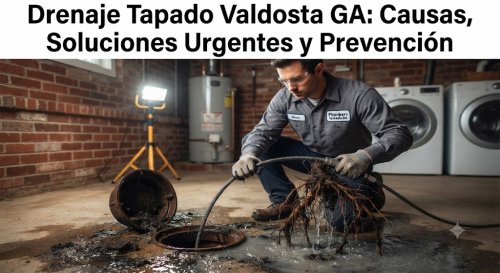
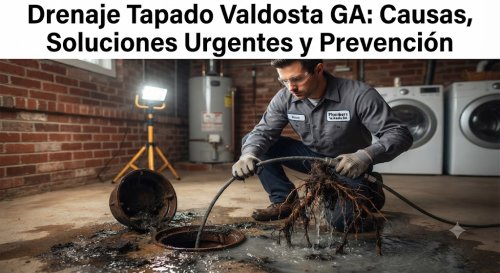
Sudden, intense tropical downpours and severe thunderstorms can saturate the soil around Valdosta properties rapidly. This ground saturation places immense hydrostatic pressure on underground sewer laterals and exterior cleanouts. If your sewer line has minor cracks or root intrusions, heavy rain can overwhelm the system, causing slow drains or surface backups in basement and low-lying fixtures.
Outdoor Plumbing and Seasonal Shifts
Although sub-freezing temperatures are relatively infrequent in Valdosta, brief winter freezes do occur. Exterior hose bibs, backflow preventers, and exposed supply pipes in unconditioned crawl spaces remain vulnerable during sudden overnight temperature drops if left unprotected.
Diagnostic Clues: Interpreting Plumbing Symptoms
When a plumbing issue arises, the specific symptoms often point directly to the root cause. Proper interpretation saves time and prevents misdirected repair efforts.
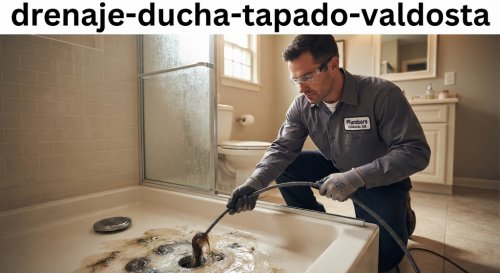
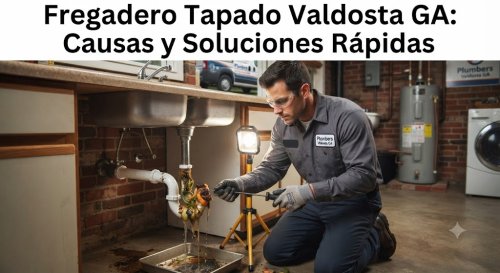
- Single Fixture vs. Multiple Fixtures: If a single sink drains slowly, the obstruction is typically localized to that fixture's trap or pop-up assembly. If multiple fixtures on the same floor back up simultaneously, the issue usually points to a main branch line or the main sewer lateral.
- Intermittent Gurgling: A toilet that gurgles when a washing machine drains indicates a venting restriction or a partial obstruction in the shared drain line, which forces air bubbles backward through fixture traps.
- Unexplained Water Meter Movement: If all indoor and outdoor water fixtures are completely turned off, but the leak indicator dial on your water meter is spinning, you are experiencing a hidden supply leak beneath the slab, behind walls, or along the underground yard line.
- Sudden Pressure Drops: A drop in water pressure limited to a single faucet usually means the aerator is clogged with mineral scale or debris. A whole-house pressure drop points toward a failing pressure-reducing valve or a partial municipal supply restriction.
Safe Homeowner Checks and Maintenance Steps
Homeowners can safely perform several routine maintenance tasks and visual inspections to preserve their plumbing health without specialized tools.
- Locate and Test the Main Shut-Off Valve: Every adult in the household should know where the main water shut-off valve is located and how to operate it. Test it annually by turning it partially closed and open again to ensure it does not seize.
- Inspect Fixture Supplies: Look under sinks and behind toilets for signs of dampness, mineral crust, or bulging braided supply hoses. Replace flexible supply lines every five to seven years.
- Flush Water Heater Sediment: Draining a few gallons from the tank sediment valve annually helps maintain heating efficiency and extends water heater longevity.
- Monitor Outdoor Drainage: Ensure that downspouts direct rainwater at least several feet away from your foundation and away from your sewer cleanout caps.
- Clean Sink Aerators: Unscrew faucet aerators twice a year to clear out accumulated mineral deposits that restrict flow.
When to Call a Professional Plumber
While DIY maintenance is valuable, certain situations require professional diagnostic equipment and specialized expertise. Attempting complex repairs without proper training can result in extensive structural water damage or personal injury.
Call a licensed plumber in Valdosta GA when you encounter:
- Sewer backups or raw sewage surfacing in yard cleanouts or indoor drains.
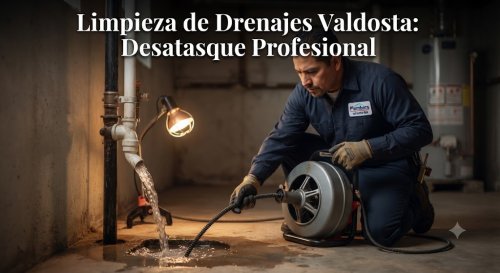
- Persistent main line clogs that return immediately after mechanical snaking.
- Hidden leaks suspected beneath concrete slabs or inside finished walls.
- Water heater tank leaks, persistent pilot light failures, or electrical malfunctions.
- Main water supply line breaks or failing pressure-reducing valves.
- Major pipe corrosion requiring partial or whole-house repiping.
Repair and Replacement Considerations
When a plumbing component fails, deciding whether to repair or replace it depends on age, material integrity, and the frequency of past failures. For instance, galvanized steel pipes suffer from internal rust narrowing over time; patching a leak on an aging galvanized line often leads to a burst nearby because the surrounding metal is equally thin. In such cases, targeted repiping with modern PEX or copper is a more permanent solution.
Similarly, a water heater over ten years old that suffers a major tank failure should generally be replaced rather than repaired, as auxiliary components will continue to degrade. Always ask a professional plumber to explain whether a proposed fix addresses the root mechanical cause or merely treats the immediate symptom.
Understanding Plumbing Service Cost Variables
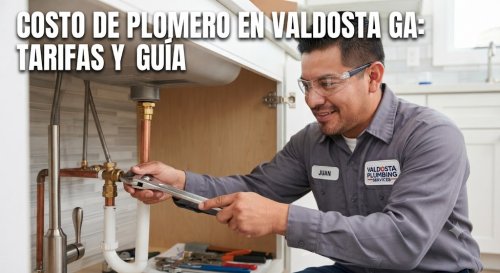
Plumbing repair costs can vary widely based on several practical project factors rather than arbitrary pricing. When reviewing an estimate for plumbing repair Valdosta GA services, consider the following cost drivers:
- Accessibility: A pipe repair located in an open crawl space requires less labor than opening a concrete slab or cutting through drywall and finished tile.
- Diagnostic Complexity: Finding a hidden leak behind a wall or beneath a floor requires specialized electronic acoustic or thermal imaging equipment.
- Material and Sizing: Commercial-grade components, heavy-duty cast iron replacement pipes, or specialized PEX manifolds increase material expenses.
- Emergency Timing: After-hours, weekend, or holiday emergency dispatch involves distinct labor rates due to urgent mobilization.
- Permitting and Code Compliance: Major installations, such as water heater replacements or sewer line reconstructions, may require local permit fees and mandatory inspections to ensure current code compliance.
Always request a clear, written estimate that itemizes diagnostic fees, labor, and materials before authorizing substantial plumbing work.
Frequently Asked Questions
How often should I have my home plumbing system inspected?
An annual plumbing inspection is recommended, especially for homes over twenty years old. A professional check can identify hidden leaks, worn supply hoses, and early corrosion before they cause catastrophic failures.
Why does my toilet run intermittently without anyone using it?
A running toilet is almost always caused by a worn flapper valve at the bottom of the tank that fails to form a tight seal, allowing water to trickle continuously into the bowl. Replacing the flapper is a quick, inexpensive fix that prevents significant water waste.
What should I do if my main water line bursts?
Immediately locate your main water shut-off valve and turn it clockwise to the closed position to stop the flow of water. If you cannot find or operate the valve, contact your local water utility or an emergency plumber in Valdosta GA right away.
Can I use chemical drain cleaners for recurring slow drains?
Chemical drain cleaners are generally discouraged for recurring clogs. They rely on harsh caustic chemicals that can damage older metal pipes, degrade rubber seals, and fail to remove solid obstructions like tree roots or grease buildup. Mechanical snaking or hydro-jetting is far safer and more effective.
How can I protect my outdoor plumbing during a sudden freeze?
Disconnect all garden hoses, shut off interior isolation valves for outdoor faucets if available, and insulate exposed hose bibs using foam covers. Keep crawl space vents closed during freezing weather to protect supply pipes underneath the house.
What causes low water pressure throughout my entire house?
Whole-house pressure loss usually points to a partially closed main shut-off valve, a failing pressure-reducing valve (PRV), or a supply issue originating from the municipal water utility. Checking your water meter and PRV can help isolate the restriction.