Plumbing Problems Common in Valdosta GA Homes: A Diagnostic Guide
Discover common plumbing issues in Valdosta GA homes, from crawl space pipe condensation to root intrusion, and learn how to diagnose and address them safely.

Understanding Plumbing Challenges in Valdosta Homes
Every region presents unique environmental conditions that influence how residential plumbing systems behave, age, and fail. In Valdosta, Georgia, a combination of high ambient humidity, prolonged warm weather, intense seasonal rainfall, and specific local soil compositions creates a distinct set of plumbing challenges for homeowners.
Recognizing the early warning signs of these regional plumbing issues can prevent minor maintenance annoyances from escalating into expensive structural damage. Understanding why these problems occur helps homeowners distinguish between normal household wear and tear and symptoms that require professional intervention.
Crawl Space Moisture and Pipe Condensation
Many homes in the area utilize a crawl space foundation rather than a full basement or a monolithic concrete slab. While crawl spaces provide convenient access for supply lines and drainage pipes, they also introduce significant humidity challenges.
During long Valdosta summers, warm, moisture-laden outdoor air enters crawl space vents and meets cold drinking-water pipes. This temperature differential causes heavy condensation to form on the exterior of cold supply lines. Homeowners frequently mistake this dripping moisture for active pipe leaks.
How to Distinguish Condensation from Leaks
- Timing: Condensation typically appears across the entire length of cold-water pipes during humid weather or when multiple plumbing fixtures are actively running, whereas a true leak originates from a single localized point such as a joint or fitting.
- Water Behavior: Pipe sweat coats the pipe evenly and may cause minor puddling directly beneath it, but it does not cause the steady dripping or spraying associated with pressurized pipe failures.
- Surrounding Environment: If the ground beneath the crawl space is damp and proper vapor barriers are missing, humidity will accumulate rapidly, worsening pipe sweating and encouraging wood rot or mold growth.
Addressing crawl space moisture often requires sealing vents during peak humidity months, installing a heavy-duty ground vapor barrier, or wrapping cold supply lines in closed-cell foam insulation.
Drainage Disruptions and Heavy Storm Impacts
Valdosta experiences intense seasonal thunderstorms that drop large volumes of water in short periods. This sudden influx of rainwater can overwhelm municipal stormwater systems or saturate the soil around private sewer laterals and septic tanks.
When external ground saturation reaches sewer cleanouts or cracked underground pipes, infiltration occurs. Rainwater enters the drainage system, carrying silt, sand, and debris that settles inside the pipes as the water recedes. This silt accumulation creates stubborn obstructions that mimic traditional household clogs.
Intermittent vs. Structural Drainage Clogs
A single slow drain inside a bathroom sink usually points to localized hair and soap scum accumulation within the fixture trap or branch line. However, when multiple plumbing fixtures—such as a shower, toilet, and washing machine—begin draining slowly or gurgling simultaneously during heavy rains, the issue almost certainly resides in the main sewer line.
Gurgling occurs when air is displaced within the drainage stack as wastewater tries to bypass a partial blockage or a venting restriction. Ignoring these early warning signs can lead to complete sewer backups during subsequent storms.
Tree Root Intrusion in Underground Sewer Laterals
Mature trees provide desirable shade across many properties in South Georgia, but extensive root systems constantly search for moisture and nutrients. Underground sewer laterals constructed of older clay, cast iron, or early-generation plastic pipes are frequent targets.
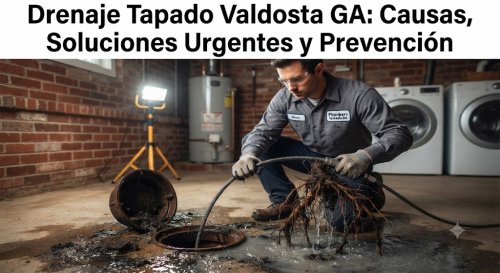
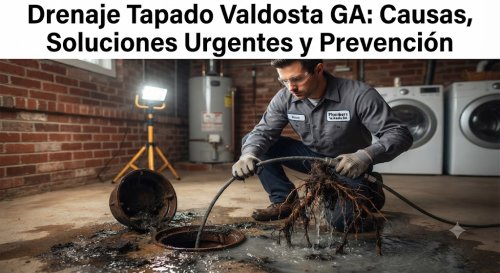
Microscopic cracks at pipe joints or minor wall deformations allow water vapor to escape into the surrounding soil. Tree roots follow these moisture gradients toward the pipe, eventually penetrating small openings. Once inside, roots expand rapidly, catching toilet paper, grease, and debris until a dense mass blocks the pipe.
Clues That Point to Root Intrusion
Homeowners dealing with root intrusion often notice that toilets flush sluggishly or gurgle when the washing machine drains. Drain snakes may provide temporary relief by punching a hole through the root mass, but the obstruction typically returns within weeks as the roots regenerate. A professional video camera inspection is usually necessary to confirm the exact location and structural integrity of the affected underground line.
Water Heater Stress During Seasonal Shifts
Water heaters operate continuously, but their workload changes with incoming groundwater temperatures. Although South Georgia rarely experiences freezing winter temperatures, groundwater temperatures do fluctuate between summer and winter.
In older water heater tanks, mineral scaling accelerates over time, particularly when equipment ages without routine flushing. Valdosta homeowners often notice rumbling or popping noises coming from their tank-style water heaters. This noise is caused by water trapped beneath hardened layers of sediment boiling against the bottom of the steel tank.
Sediment buildup insulates the water from the burner or lower heating element, reducing efficiency, extending recovery times, and causing premature tank metal fatigue.
Outdoor Faucet and Irrigation Line Vulnerabilities
Outdoor hose bibs and lawn irrigation systems are essential for maintaining landscapes through long warm spells. However, exterior plumbing components exposed to direct sunlight and occasional winter cold snaps suffer thermal stress.
Frost-free sillcocks can still freeze and crack internally if a garden hose is left attached during an unexpected overnight freeze, because the hose traps residual water inside the valve stem, preventing it from draining properly. When the trapped water freezes and expands, the internal copper or brass tubing splits, resulting in a hidden leak inside the wall cavity the next time the valve is opened.
What Valdosta Homeowners Can Safely Check
Homeowners can perform several safe, non-invasive checks before deciding whether professional help is necessary:
- Inspect all visible supply lines beneath sinks and behind toilets for active dripping or mineral crust accumulation.
- Monitor the water meter dial while all indoor and outdoor water fixtures are completely turned off to check for hidden leaks.
- Observe whether drainage sluggishness affects a single fixture or multiple fixtures throughout the home.
- Check crawl space conditions for standing water, damaged vapor barriers, or uninsulated pipes.
- Test manual shut-off valves under sinks and behind toilets to ensure they operate smoothly and can cut off water flow in an emergency.
Never attempt to force stuck main water shut-off valves, repair pressurized gas-connected water heaters, or clear main sewer lines using chemical drain openers when standing wastewater is already present in plumbing fixtures.
Factors That Influence Plumbing Repair and Replacement Costs
When plumbing repairs become necessary, project costs vary based on several practical technical factors rather than arbitrary pricing:
- Accessibility: Repairs located inside tight crawl spaces, beneath concrete slabs, or behind finished drywall require significantly more labor and restoration work than accessible basement or utility room installations.
- Pipe Material and Age: Working with older brittle galvanized steel, corroded cast iron, or fragile clay sewer pipe requires specialized transition fittings and careful handling compared to modern PEX or PVC piping.
- Scope of Damage: Spot-repairing a localized pipe leak differs substantially from replacing an entire corroded branch line or performing a trenchless sewer line rehabilitation.
- Permitting and Code Requirements: Major plumbing installations, water heater replacements, or sewer line reconstructions often require municipal permits and adherence to current building codes to ensure safety and property value.
Understanding these variables helps homeowners evaluate contractor estimates and ask informed questions about the proposed scope of work.
Frequently Asked Questions
-
Why do my plumbing pipes drip water during the summer in Valdosta?
This is usually pipe condensation caused by warm, humid crawl space air contacting cold drinking-water pipes. Improving crawl space ventilation and insulating the pipes will help eliminate the moisture.
-
What causes my sinks and toilets to gurgle when it rains heavily?
Heavy rainfall can infiltrate older sewer laterals or municipal lines, displacing air within the drainage stack and indicating a partial blockage or venting limitation in the main sewer system.
-
How can I tell if my high water bill is caused by a hidden leak?
Check your water meter with all fixtures turned off. If the low-flow indicator triangle or sweep hand is moving, water is escaping somewhere in the property, often through a silent running toilet or an underground supply line leak.
-
Are tree roots a common cause of recurring drain clogs in this area?
Yes. Mature trees searching for moisture frequently infiltrate older underground sewer pipes through minor joint cracks, creating persistent blockages that require mechanical clearing or camera inspection.
-
Should I drain my water heater annually?
Routine flushing removes mineral sediment accumulation, particularly in areas with hard water or heavy mineral content, helping extend equipment lifespan and improve heating efficiency.
-
When should I call a professional plumber instead of trying a DIY fix?
Call a qualified professional whenever you experience main sewer line backups, unexplained pressure drops, active slab leaks, gas appliance issues, or recurring clogs that resist basic plunging.