Plumbing Problems Common in Valdosta GA Homes: A Diagnostic Guide
Discover common plumbing problems in Valdosta, GA homes, from soil shifts and root intrusion to high humidity impacts, and learn how to diagnose them safely.

Understanding Plumbing Challenges in Valdosta Homes
Every region presents unique environmental and structural conditions that influence residential plumbing systems. In Valdosta, Georgia, local climate patterns, seasonal humidity, intense summer rainfall, and regional soil compositions create a distinct set of plumbing challenges. Recognizing these patterns helps homeowners distinguish between minor fixture issues and developing structural failures before extensive property damage occurs.
Valdosta properties encompass a wide architectural range, from historic homes featuring older galvanized or cast-iron piping to modern slab-on-grade constructions and elevated crawl-space foundations. Each structural style interacts differently with moisture, temperature fluctuations, and ground movement. Understanding how these elements affect plumbing components allows for more accurate troubleshooting and smarter maintenance decisions.
High Humidity and Crawl-Space Moisture Accumulation
Many homes in Valdosta are built over raised crawl spaces rather than monolithic concrete slabs. While crawl spaces provide valuable access to supply lines and drain pipes, they also create a unique microenvironment. Valdosta's prolonged summer heat and heavy rainfall lead to high ambient humidity, which frequently causes condensation on cold-water supply lines.
Homeowners frequently mistake this condensation for active pipe leaks. When uninsulated cold-water pipes encounter warm, humid air entering through crawl-space vents, moisture collects on the exterior of the pipe and drips onto the soil below.
- Condensation typically affects the entire run of cold-water piping evenly, whereas a leak usually originates from a specific joint, valve, or crack.
- Condensation tends to diminish during drier weather conditions, while a supply leak continues at a steady rate regardless of atmospheric humidity.
- Inspecting pipe joints with dry paper towels helps isolate whether moisture is weeping from a fitting or simply collecting from the air.
How to differentiate condensation from a true leak:
Unchecked crawl-space moisture can also accelerate exterior pipe corrosion, weaken wooden support joists, and encourage mold growth. Installing appropriate vapor barriers and pipe insulation significantly reduces moisture-related wear.
Drainage Pressures During Heavy Seasonal Rainfall
Sudden, heavy downpours are a regular feature of Valdosta weather. When large volumes of rainwater saturate the soil rapidly, municipal storm systems and private sewer laterals experience severe hydraulic pressure.
If a property's sewer lateral or main drain line has structural defects—such as minor root intrusion, offset joints, or accumulated grease—heavy rain can overwhelm the system. Groundwater can infiltrate cracked clay or aging cast-iron pipes, carrying silt and debris into the drainage network.
- Toilets gurgle or bubble when rain falls heavily, indicating displaced air within the vent stack or main drain.
- Floor drains in lower areas or basements back up during severe storms even when no indoor fixtures are running.
- Multiple plumbing fixtures drain slowly simultaneously after a heavy rain event, pointing toward a restriction in the main sewer line rather than a single sink blockage.
Signs that storm water is interacting with your drainage system:
Root Intrusion and Aging Underground Piping
Valdosta's lush vegetation and mature shade trees mean that underground sewer laterals frequently compete with extensive root systems. Trees and large shrubs naturally seek out moisture and nutrients, making underground sewer lines a primary target.
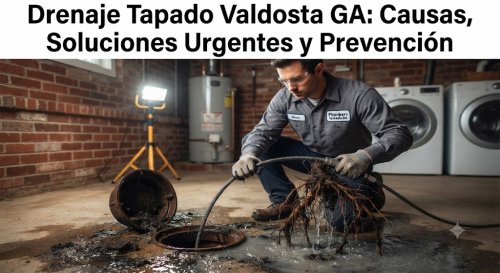
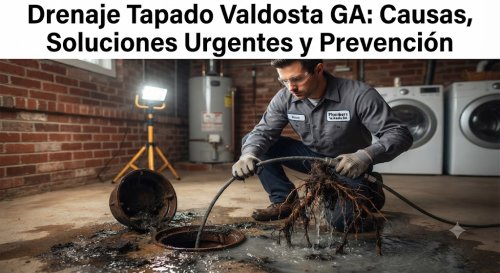
Over time, tiny hairline cracks or microscopic gaps at pipe joints allow moisture vapor to escape into the surrounding soil. Roots follow these vapor trails, eventually penetrating the pipe wall. Once inside, root masses act as a net, catching toilet paper, grease, and debris.
Many older properties in the area still utilize original cast-iron or clay sewer laterals. Cast-iron pipes subject to decades of internal scaling and bottom-floor corrosion eventually develop structural thinning. When roots invade these weakened lines, mechanical snaking only provides temporary relief. A camera inspection is often necessary to determine whether the pipe can be safely cleaned or requires structural trenchless rehabilitation or replacement.
Slab Foundation Shifts and Underground Leaks
For homes built on concrete slab foundations, plumbing lines are frequently routed directly beneath or through the concrete. Soil composition changes—ranging from sandy coastal plain transitions to moisture-expansive clay pockets—can cause subtle ground settling.
When a slab settles unevenly, copper or cast-iron pipes encased in concrete experience shear stress. Over years of thermal expansion and structural shifting, this stress can result in pinhole leaks beneath the floor.
Key indicators of a hidden under-slab leak include:
- Unexplained warm spots on tile or hardwood floors (indicating a hot-water line leak).
- A continuously running water meter when all indoor and outdoor faucets are completely closed.
- Sudden increases in water bills without any change in household usage.
- The sound of running water when the house is entirely quiet.
Pinpointing these leaks requires specialized electronic acoustic listening equipment and thermal imaging rather than exploratory concrete demolition.
Outdoor Faucet and Irrigation Backflow Vulnerabilities
Outdoor hose bibs and lawn irrigation systems are essential for maintaining landscaping through Valdosta's long, warm growing seasons. However, these exterior plumbing components are among the most vulnerable during seasonal transitions.
While Valdosta rarely experiences prolonged deep freezes, occasional overnight winter drops can catch homeowners off guard if outdoor faucets are left unprotected. Uninsulated hose bibs can crack internally, allowing water to spray inside wall cavities once the valve is reopened in spring.
Additionally, irrigation systems require proper backflow prevention assemblies to ensure that chemically treated lawn water or stagnant soil bacteria cannot siphon back into the home's potable drinking water supply. Testing these valves periodically ensures they seat correctly and comply with health standards.
Safe Homeowner Inspection Checklist
Homeowners can perform several routine visual and functional checks to catch plumbing anomalies early:
- Meter Watch: Turn off all indoor and outdoor water fixtures, then check the low-flow indicator triangle on your water meter. If it is moving, water is escaping somewhere.
- Crawl-Space Audit: Periodically inspect exposed pipes for active dripping, corrosion buildup on metal fittings, or sagging pipe hangers.
- Fixture Drainage Test: Fill each sink and tub basin completely, then release the water simultaneously to observe whether drainage is sluggish or induces gurgling in neighboring fixtures.
- Toilet Dye Test: Place a few drops of food coloring into the toilet tank without flushing. If color appears in the bowl after ten minutes, a silent flapper leak is wasting water.
Factors Influencing Plumbing Repair Costs
When plumbing repairs become necessary, project costs vary based on several technical and logistical variables rather than arbitrary pricing. Understanding these factors helps evaluate professional estimates accurately:
- Accessibility: Repairing an exposed pipe in an open crawl space requires significantly less labor and restoration than locating and repairing a leaking pipe beneath a concrete slab or behind finished drywall.
- Material Compatibility: Older homes may require specialized transition couplings to connect legacy cast-iron or galvanized steel pipes to modern PVC or PEX piping.
- Extent of Damage: A localized fixture repair differs substantially from clearing a deeply rooted main sewer line or replacing a collapsed lateral.
- Diagnostic Requirements: Complex intermittent leaks or hidden drainage failures often require diagnostic tools such as electronic leak detectors or sewer video cameras to prevent unnecessary property destruction.
Frequently Asked Questions
Why does my toilet gurgle whenever my washing machine drains?
A gurgling toilet during laundry discharge usually indicates a partial blockage or venting restriction in the main drain line. When the washing machine pumps a large volume of water rapidly down the drain, it pushes air ahead of it. If the vent stack is obstructed or the main drain has heavy buildup, the escaping air bubbles up through the nearest trap, which is typically the toilet bowl.
How can I tell if a high water bill is caused by a hidden leak or a meter reading error?
To rule out a meter reading error, locate your water meter and write down the exact digital or dial reading. Refrain from using any water in the house for a few hours—ideally overnight—and check the meter again. If the numbers have advanced, water has left the meter, confirming an active leak or a running fixture.
Is it normal for copper pipes to turn green in a Valdosta crawl space?
Light surface oxidation or green patina on exterior copper surfaces is common in humid environments and does not always indicate an immediate failure. However, if the green discoloration is accompanied by crusty buildup, active weeping, or mineral deposits around soldered joints, the fitting is experiencing slow galvanic or moisture-induced corrosion and should be evaluated.
What causes recurring drain clogs in the same bathroom sink?
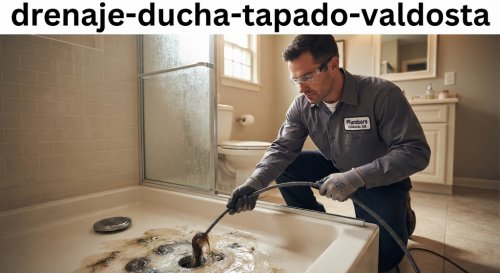
Recurring clogs in a single fixture usually point to localized buildup inside the P-trap or pop-up stopper assembly, such as hair, soap scum, and cosmetic residue. If the clog returns shortly after mechanical clearing or chemical treatment, the obstruction may be located further down the branch drain where pipe slope is insufficient or grease has accumulated.
Can heavy rain cause my sewer line to back up into the house?
Yes. If structural defects exist in the underground sewer lateral—such as root intrusion, pipe sagging, or cracks—heavy rainfall can infiltrate the line and overwhelm its capacity. Furthermore, if municipal mains experience high storm flows, compromised private laterals can allow water to push backward into lowest-level household drains.
When should I stop trying DIY plumbing fixes and call a professional?
You should stop DIY attempts immediately if you encounter active sewage backups, structural pipe leaks behind closed walls or beneath slabs, main water supply valves that fail to shut off completely, or electrical hazards near standing water. Specialized equipment like hydro-jets, electronic locator units, and camera systems are necessary to address these issues safely and effectively.