How to Compare Plumbing Repair Estimates in Valdosta GA
Learn how to compare plumbing repair estimates accurately in Valdosta GA. Understand scope, materials, labor, hidden costs, and fair plumbing proposals.


Decoding Plumbing Proposals: More Than Just the Bottom Line
Receiving multiple plumbing repair estimates can often leave property owners feeling more confused than before they started. When quotes for the same suspected issue vary significantly in price, scope, or recommended approach, it is tempting to simply choose the lowest bidder. However, in residential and commercial plumbing, two estimates that look similar on the surface may describe entirely different levels of work, material quality, and long-term reliability.
Understanding how to evaluate and compare plumbing repair estimates protects property owners in Valdosta, GA from unexpected expenses, recurring failures, and incomplete repairs. Whether you are dealing with a failing water heater, a damaged sewer lateral in your yard, or a complicated slab leak beneath a foundation, comparing bids requires looking past the final dollar amount and examining the technical specifics behind the numbers.
Why Plumbing Estimates Vary Widely
When two licensed professionals look at the same plumbing problem and provide drastically different pricing, it is rarely because one is simply overcharging. More often, the variance stems from differences in diagnostic thoroughness, proposed repair methods, material selection, and how potential complications are handled. A low estimate may omit critical steps, while a higher estimate may include comprehensive restoration that prevents future failures.
Valdosta properties present unique site conditions that can heavily influence repair complexity. Properties built over crawl spaces require technicians to work in tight, humid environments where wood framing, shifting soil, or moisture barriers can complicate pipe routing. Conversely, homes or businesses built on concrete slab foundations hide water supply and drain lines beneath concrete, requiring specialized acoustic leak detection or concrete cutting that dramatically alters the labor scope compared to accessible crawl-space or attic plumbing.
Key Elements Every Detailed Plumbing Estimate Should Include
A professional plumbing estimate should provide absolute clarity on what work is being performed and what materials are being used. Vague bids that state only "fix leak" or "repair water heater" leave too much room for misunderstanding and unexpected change orders.
- Detailed Scope of Work: A step-by-step description of what will be done, including whether damaged sections will be patched or entirely replaced.
- Material Specifications: Exact details on pipe types (such as PEX, copper, or schedule 40 PVC), fittings, valves, and brand names for fixtures or equipment.
- Labor and Diagnostic Breakdown: Clear separation of diagnostic fees, hourly labor rates or flat-rate project pricing, and estimated completion times.
- Access and Restoration Details: Explicit clarification on who is responsible for cutting into drywall, removing flooring, excavating soil in the yard, or patching and painting surfaces after the repair is complete.
- Permitting and Inspection Fees: Whether local municipal permits or post-repair inspections are included in the proposal.
- Warranty Coverage: Clear terms regarding parts and workmanship warranties, including how long the guarantee lasts and what conditions might void it.
Comparing Repair Methods and Technical Scope
The method chosen to fix a plumbing failure often dictates the price. When comparing estimates, check whether both proposals address the root cause of the problem or merely treat the immediate symptom.
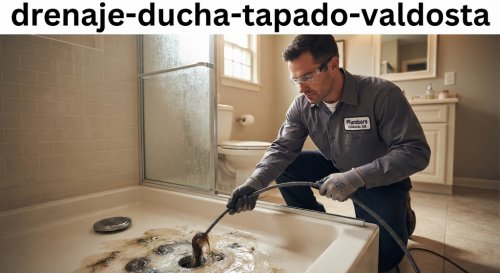
For example, consider a recurring slow drain or sewer backup. One contractor might propose a quick mechanical cable clearing to punch a temporary hole through an obstruction, while another recommends a video camera inspection followed by hydro-jetting or trenchless pipe lining to repair a cracked sewer lateral caused by shifting clay soils or root intrusion. The first option is inexpensive upfront but guarantees the problem will return. The second option costs more initially but solves the underlying structural defect.
Similarly, when dealing with a leaking supply pipe, a temporary clamp or slip-coupling might be quoted cheaply, whereas cutting back to solid, uncorroborated pipe and installing a durable, code-compliant manifold or replacement run represents a permanent solution. Always verify whether an estimate covers a permanent fix or a temporary band-aid.
Hidden Cost Factors to Look For
Plumbing repair estimates often contain variables that can cause the final bill to escalate if they are not addressed upfront. When reviewing proposals, look closely at how potential complications are handled.
| Cost Variable | How It Impacts the Estimate | Questions to Ask |
|---|---|---|
| Accessibility | Pipes buried deep underground, hidden behind shower units, or tucked into tight crawl spaces require extra labor and specialized entry methods. | Does this price assume clear, unobstructed access to the work area? |
| Code Compliance | Older plumbing components may no longer meet current plumbing codes. Upgrading may be legally required during a major repair. | Does this estimate include bringing the surrounding system up to current code requirements? |
| Emergency Timing | After-hours, weekend, or holiday service calls involve premium labor rates due to emergency dispatching. | Are there additional fees if this repair extends past normal business hours? |
| Unforeseen Damage | Hidden corrosion, rotted subflooring, or broken fittings discovered mid-repair can expand the required scope. | What is your policy and communication process if you discover additional damage once work begins? |
Questions to Ask Before Approving Plumbing Work
Before signing off on any substantial plumbing repair, ask targeted questions to ensure transparency and prevent misunderstandings.
- Does this estimate cover a complete repair of the underlying issue, or is it a temporary fix for the immediate symptom?
- What specific grade, thickness, and material of pipe or fittings will be used for this replacement?
- Who is responsible for drywall patching, painting, or soil compaction and landscaping after the physical plumbing repair is completed?
- Are permits and subsequent local inspections required for this scope of work, and are they included in this price?
- What is the exact duration of the parts and labor warranty, and what specific maintenance steps are required to keep that warranty valid?
Frequently Asked Questions
Why are two plumbing estimates for the same leak so different?
Price differences usually reflect variations in the proposed repair method, quality of materials, extent of exploratory work, and whether the quote includes surface restoration like drywall or landscaping repair. Always compare the line-item scope rather than just the total price.
Should I always accept the lowest plumbing repair estimate?
Not necessarily. The lowest bid frequently excludes essential steps, uses lower-grade materials, or leaves out site cleanup and patching. A higher bid may represent a more comprehensive, durable repair that prevents recurring issues.
What is the difference between flat-rate and time-and-materials pricing?
Flat-rate pricing gives you a fixed total price for the entire job regardless of how long it takes, providing budget certainty. Time-and-materials pricing charges for hourly labor plus the cost of parts, which can fluctuate if unexpected complications arise during the repair.
Are diagnostic fees usually credited toward the repair cost?
Many plumbing professionals charge an initial diagnostic fee to cover the time and specialized equipment required to accurately locate a hidden problem. Some companies apply this fee toward the repair if you proceed with their quote, while others keep it separate. Always clarify this policy beforehand.
How do I know if an estimate includes a temporary fix or a permanent solution?
Review the description of the materials and methods. If an estimate mentions patching, clamping, or clearing without addressing pipe corrosion, root damage, or joint failure, it may only be a temporary measure. A permanent fix typically involves replacing damaged sections with new, durable piping.
What should I do if a plumber discovers hidden damage after starting the work?
A reputable plumber will stop work immediately, explain the newly discovered issue, show you the evidence, and provide a revised scope and cost estimate before proceeding with any additional repairs.