Common Plumbing Problems in Valdosta GA Homes: Causes & Fixes
Discover common plumbing problems in Valdosta, GA homes, from humidity-driven crawl space leaks to drainage issues. Practical homeowner diagnostic guide.

Understanding Plumbings Unique Challenges in Valdosta Homes
Running a household in Valdosta, Georgia, means dealing with specific environmental and structural factors that directly influence how plumbing systems behave. From prolonged summer heat and intense seasonal humidity to heavy rainfall and clay-heavy soils, local residential plumbing components experience unique stresses. When a plumbing failure occurs, understanding the underlying mechanism helps homeowners distinguish between minor fixture issues and serious system-wide failures.
Valdosta properties feature a mix of architectural styles, including slab-on-grade foundations and elevated homes built over crawl spaces. Each foundation type reacts differently to moisture, soil shifting, and pipe movement. Recognizing how regional conditions interact with indoor and outdoor plumbing can prevent minor annoyances from escalating into costly structural repairs.
Crawl Space Moisture and Vulnerable Piping
Many residential properties throughout the area utilize crawl spaces rather than monolithic slab foundations. While crawl spaces provide convenient access for plumbing inspection and repair, they also introduce specific environmental challenges.
- High Humidity: Valdosta's intense humidity creates a damp environment inside enclosed crawl spaces, accelerating exterior pipe corrosion on older metal lines.
- Condensation vs. Leaks: Warm, humid air entering a cool crawl space often causes heavy condensation to bead on cold water supply lines. Homeowners frequently mistake this surface moisture for an active pipe leak.
- Hanger Failure: Moisture and mold can weaken wooden floor joists and pipe support hangers, causing drain lines to sag and lose proper downward slope.
If water pools beneath the home, verify whether the moisture originates from an active supply leak, a loose waste slip-joint, exterior drainage flowing inward, or simple atmospheric condensation on cold copper lines.
Drainage Disruptions and Heavy Rainfall
Valdosta experiences significant seasonal rainfall and sudden heavy downpours. These weather events test both interior drainage networks and exterior sewer laterals.
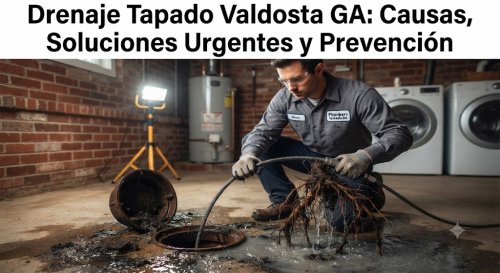
When multiple plumbing fixtures drain slowly or back up simultaneously—such as a shower bubbling when the toilet flushes—the restriction typically resides in the main sewer lateral rather than a single fixture trap. Tree roots searching for moisture in warm soil can infiltrate older clay or cast-iron sewer lines, creating a catch point for grease, tissue, and debris.
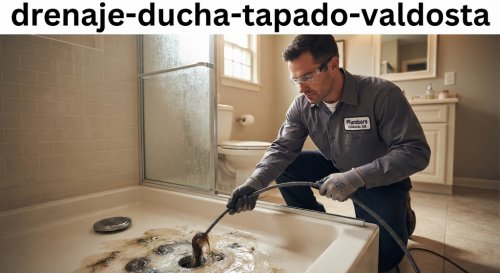
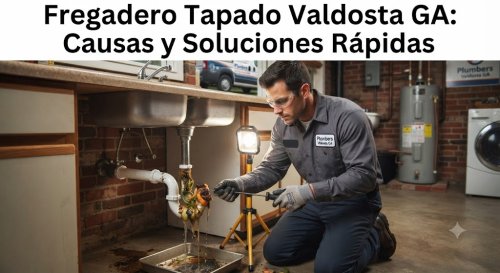
Conversely, if only a single fixture drains slowly, the problem is localized. Hair accumulation in bathroom lavatories and grease buildup in kitchen sinks remain common culprits. Avoid relying entirely on chemical drain openers for recurring clogs. Harsh chemicals often eat away at older metal pipe walls while leaving the core obstruction partially intact.
Outdoor Plumbing and Irrigation Stress
Outdoor fixtures endure distinct seasonal demands. During extended warm spells, automated lawn irrigation systems and outdoor hose bibs operate frequently, increasing water volume and pressure wear across the property.
Hose bibs left unprotected during occasional winter temperature drops are vulnerable to freezing. When water inside an uninsulated exterior spigot freezes, it expands and fractures the pipe just inside the exterior wall. The resulting leak often remains undetected until the water is turned on the following spring, flooding wall cavities or crawl spaces.
Additionally, underground water supply lines running from the municipal meter to the home are subject to soil shifting caused by alternating wet and dry weather cycles. Soil movement can stress rigid supply piping, eventually leading to underground pinhole leaks or joint separations.
Hidden Water Leaks and Elevated Water Bills
A sudden, unexplained increase in a municipal water utility bill is often the first reliable indicator of a hidden leak. Unlike visible dripping faucets, hidden leaks quietly waste thousands of gallons without immediately flooding living areas.
Common locations for hidden residential leaks include:
- Flapper Valves: A worn toilet tank flapper allows water to continuously trickle from the tank into the bowl, creating a silent leak that cycles the fill valve periodically.
- Supply Line Connections: Pressurized lines feeding bathroom vanities, washing machines, and water heaters can develop slow weeping leaks at threaded joints.
- Slab or Wall Cavities: Pinholes in pressurized copper lines buried beneath concrete or concealed behind drywall cause localized hot spots on floors or damp drywall stains.
Homeowners can perform a simple meter check by ensuring all indoor and outdoor water fixtures are completely turned off, then observing the low-flow indicator triangle on the water meter dial. If the indicator is moving, water is actively escaping somewhere in the system.
When Professional Diagnosis is Essential
While basic maintenance—such as clearing sink aerators, replacing toilet flappers, and monitoring water meters—can be safely managed by a homeowner, certain situations require specialized diagnostic equipment and licensed expertise.
Professional intervention is necessary when dealing with:
- Main sewer line collapses or heavy root intrusions requiring camera inspection and trenchless repair.
- Persistent low water pressure affecting the entire property, which may indicate a failing pressure regulator or supply line restriction.
- Gas or electrical connections associated with water heating equipment.
- Extensive pipe corrosion requiring targeted repiping or sectional replacement.
Understanding the scope of a plumbing issue helps property owners ask qualified contractors targeted questions regarding diagnostic methods, repair longevity, and warranty coverage before approving substantial work.
Frequently Asked Questions
Why do my pipes sweat so much during the summer in Valdosta?
Warm, moisture-laden air entering crawl spaces or basements contacts cold water supply pipes, causing atmospheric humidity to condense into water droplets on the pipe surface. Installing foam pipe insulation helps prevent this condensation from dripping onto subflooring.
How can I tell if a slow drain is a local clog or a main sewer issue?
If only one fixture drains slowly, the issue is likely localized to that trap or branch line. If multiple fixtures on different levels back up or gurgle when another fixture runs, the restriction is typically in the main drain or sewer lateral.
What causes my water bill to spike when I haven't changed my usage?
An unexpected bill increase usually indicates a hidden leak. The most frequent culprits are a silently running toilet flapper, an underground supply line leak, or a leaking irrigation valve that fails to shut off completely.
Is it safe to use chemical drain cleaners for stubborn clogs?
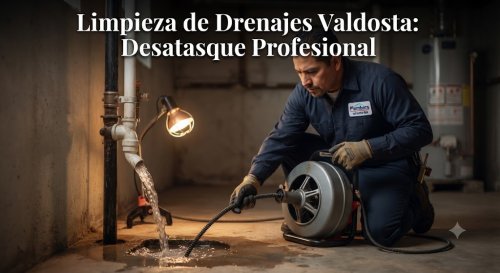
Chemical drain cleaners provide only temporary relief and can damage older pipe materials through exothermic reactions. Mechanical clearing using a drain snake or professional hydro-jetting safely removes the entire obstruction without chemical corrosion.
How do seasonal weather changes affect my home's plumbing?
Extended dry periods cause clay soils to shrink, putting stress on underground pipes and sewer laterals. Conversely, heavy rainfall saturates soil, shifting foundations and testing exterior drainage systems and sump pumps.
What should I check before calling a plumber for low water pressure?
First, check if the issue affects only one faucet or the entire home. Clean mineral buildup from faucet aerators. If pressure is low everywhere, verify that the main water shut-off valve is fully open and check the condition of the pressure-reducing valve.