Valdosta Residential Plumbing Guide: Systems & Maintenance
Explore a comprehensive residential plumbing guide for Valdosta, GA. Learn system components, local environmental challenges, and maintenance strategies.


Navigating Residential Plumbing in Valdosta, GA
Managing a residential plumbing system requires understanding how your home's network of supply pipes, drains, vents, and fixtures operates daily. In Valdosta, local environmental conditions—ranging from high summer humidity and heavy seasonal rainfall to warm groundwater temperatures—directly influence how plumbing components age, wear, and function. Whether you live in an established neighborhood with mature trees or a newer construction property, knowing the mechanics behind your plumbing helps you spot minor changes before they develop into major disruptions.
This residential plumbing guide breaks down the core systems inside a typical home, explains how local environmental factors impact performance, outlines safe diagnostic steps, and clarifies when a professional service call is necessary.
Core Components of a Home Plumbing System
Your residential plumbing system functions through three primary, interconnected networks:
- The Water Supply System: Delivers pressurized municipal water or well water to your kitchen sink, showers, toilets, washing machine, and outdoor faucets.
- The Drainage System: Relies on gravity to carry wastewater away from your fixtures and out toward the municipal sewer lateral or private septic tank.
- The Venting System: A network of vertical pipes extending through the roof that allows air to enter the drainage pipes, preventing vacuum locks and maintaining smooth wastewater flow.
When one component fails—such as a blocked vent slowing down a bathroom sink or a failing pressure-reducing valve causing erratic supply pressure—the entire system's balance can be disrupted.
How Valdosta Climate and Environment Affect Plumbing
Local climate and geographical conditions play an unheralded role in residential plumbing longevity:
- Crawl Spaces and Moisture: Many properties in the area utilize crawl spaces rather than full basements. High humidity and standing moisture beneath a home can accelerate exterior pipe corrosion, degrade insulation on supply lines, and attract pests that chew on plastic drainage or supply lines.
- Heavy Rainstorms: Intense seasonal downpours saturate the soil rapidly. This can lead to ground shifting around underground sewer laterals or place stress on perimeter drainage systems, sometimes overwhelming older municipal connections.
- Warm Incoming Water Temperatures: Because ambient ground temperatures remain relatively warm for much of the year, water heaters do not have to work as hard to heat incoming water during warmer months, but storage tanks can accumulate mineral scaling more rapidly if local water hardness fluctuates.
Safe Homeowner Checks and Diagnostic Clues
Homeowners can safely monitor and inspect several key areas of their plumbing system without specialized tools or professional licenses:
1. Water Meter Leak Test
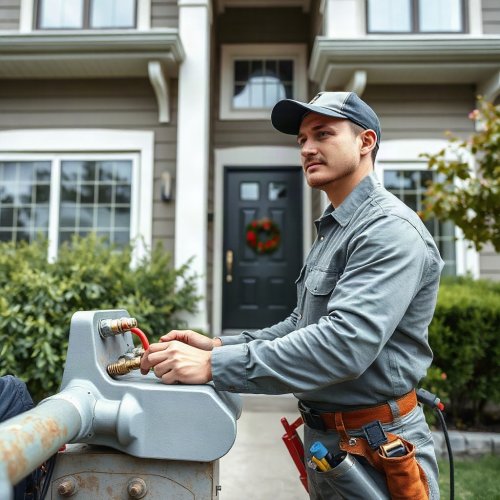
If you suspect a hidden water leak behind a wall or under a slab, locate your main water meter. Ensure all indoor and outdoor faucets, ice makers, and water-using appliances are turned completely off. Check the leak indicator dial on the meter face. If the small triangle or dial is moving, water is actively passing through the meter, indicating an active leak somewhere between the meter and your fixtures.
2. Fixture Drainage Behavior
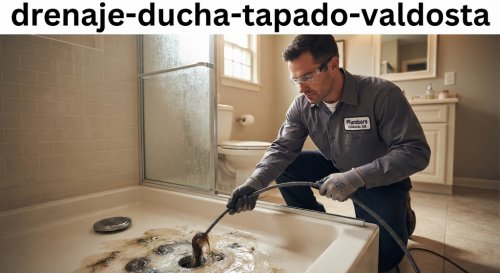
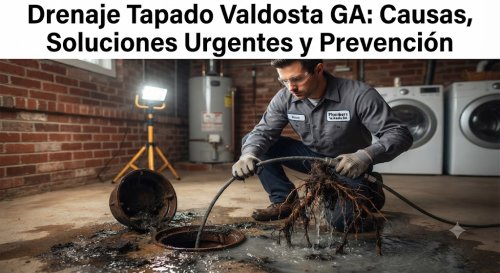
Observe how water drains from your sinks, showers, and tubs. If a single sink drains slowly, the issue is typically isolated to that fixture's trap or stopper. However, if flushing a toilet causes water to bubble up in a nearby bathtub or shower, you are likely dealing with a main branch or sewer line restriction rather than a simple fixture clog.
3. Visual Inspection of Supply Lines
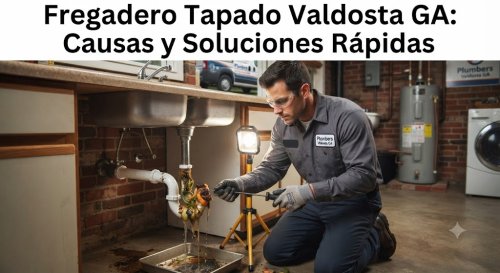
Periodically inspect flexible supply hoses beneath kitchen and bathroom sinks, behind washing machines, and around the water heater. Look for signs of bulging, green or white mineral deposits around fittings, or dampness. Flexible braided lines have a limited service life and should be replaced before they become brittle.
When Quick Fixes Mask Underlying Problems
Many homeowners rely on temporary fixes that mask symptoms rather than resolving root causes:
- Chemical Drain Cleaners: Pouring harsh chemical drain openers down a persistently slow drain may eat a small channel through a grease or hair clog, but it leaves residue that can damage older metal pipes and fails to clear structural issues like a compromised pipe slope or root intrusion.
- Plunging a Main Line Restriction: Using a standard cup plunger on a toilet when the actual obstruction is deep in the main waste stack provides only temporary relief, as the underlying blockage remains untouched.
- Adjusting Temperature Dials on Failing Water Heaters: Turning up the thermostat on a water heater that takes too long to recover may temporarily increase hot water volume, but it can accelerate mineral buildup or signal a failing lower heating element or sediment blanket.
Understanding Repair Scope and Cost Factors
When plumbing repairs become necessary, project scopes can vary widely based on several practical factors:
- Accessibility: Repairing an exposed supply line in an open utility room requires significantly less labor than accessing a leaking pipe beneath a concrete slab or inside a finished wall cavity.
- Material Compatibility: Older homes may feature galvanized steel, polybutylene, or cast-iron piping. Connecting modern PEX or PVC to older materials often requires specialized transition fittings to prevent future joint failures.
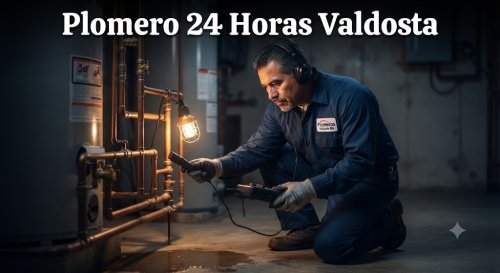
- Diagnostic Complexity: Locating an intermittent hidden leak behind a shower enclosure or tracing a collapsed underground sewer lateral requires specialized electronic leak-detection gear or video inspection cameras, which influence diagnostic labor.
- Permits and Code Compliance: Substantial alterations—such as water heater replacements, gas line work, or major repiping—may require local permits and inspection to verify compliance with current plumbing codes. Property owners should verify local permit rules with the appropriate municipal or county building department before starting extensive renovations.
Frequently Asked Questions
How often should I have my home plumbing system inspected?
For most homes, a professional visual inspection every two to three years is sufficient. However, homes over thirty years old, properties with mature trees near underground sewer lines, or homes with a history of shifting soil may benefit from annual checks, including targeted camera inspections of the main sewer lateral.
What does a sudden increase in my water bill indicate?
An unexpected spike in your water bill usually points to a silent running toilet, a leaking irrigation valve, or a hidden underground supply leak. Performing the water meter test is the fastest way to confirm whether water is constantly flowing when it shouldn't be.
Why do my drains make a gurgling sound when another fixture runs?
Gurgling typically indicates a venting problem or a developing clog in your drainage system. When wastewater passes through a pipe without adequate air intake from the roof vent, it pulls air through the traps of other fixtures, creating a characteristic gurgling noise.
Can I plant trees near my main sewer line?
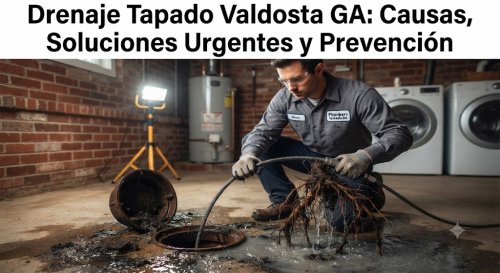
It is best to avoid planting large, fast-growing trees or shrubs with aggressive root systems—such as willows, maples, or certain oaks—near where your home's main sewer line runs to the street. Tree roots actively seek out moisture and can penetrate tiny joints or cracks in older clay or cast-iron pipes.
What should I do immediately if a pipe bursts inside my home?
Locate and turn off your main water shutoff valve immediately to stop the flow of water. If the leak is near electrical panels or outlets, shut off the power to that area if it is safe to do so. Move personal belongings away from standing water and contact a qualified plumbing professional to assess the damaged pipe section.
Why does my water heater make popping or rumbling noises?
Rumbling or popping sounds inside a tank-style water heater are usually caused by sediment and mineral deposits hardening at the bottom of the tank. When the burners fire, trapped water beneath the sediment layer boils and creates steam bubbles that push upward through the mineral layer, producing the noise.