How to Compare Plumbing Repair Estimates in Valdosta
Learn how to accurately compare plumbing repair estimates in Valdosta, GA. Discover what details matter, scope differences, and hidden cost variables.


Decoding Plumbing Repair Estimates
Receiving multiple plumbing repair estimates can sometimes leave a property owner feeling more confused than before. When two quotes for the same apparent problem—such as a leaking water line, a failing water heater, or a sewer backup—vary significantly in price or proposed scope, it is rarely just a matter of different hourly rates. True comparison requires looking past the bottom-line total to understand what work, materials, and long-term solutions are actually included.
In Valdosta, property characteristics like high seasonal humidity, shifting clay soils, older supply lines, and crawl-space foundations can heavily influence how a repair must be executed. Recognizing what separates a comprehensive estimate from an incomplete bid helps homeowners and property managers make informed, cost-effective decisions without risking premature repeat failures.
Understanding the Scope of Work
The most critical element of any plumbing estimate is the detailed scope of work. Two contractors might quote a plumbing repair Valdosta GA project, but one may be quoting a temporary patch while the other proposes a permanent replacement of a compromised section.
- Materials specified: Look for exact pipe types, fitting grades, and brand names for fixtures. Schedule 40 PVC, PEX tubing, copper, and cast iron carry vastly different material costs and longevity expectations.
- Access and restoration: A lower estimate might assume the homeowner will cut into drywall, dig up landscaping, or repair a crawl-space vapor barrier themselves, whereas a comprehensive bid includes all access and patching.
- Permits and code compliance: Major plumbing modifications often require local permits and adherence to current plumbing codes. Omitting these steps can lower an initial quote but create legal and resale complications later.
Key Variables That Affect Plumbing Estimates
Plumbing pricing is driven by labor complexity, physical accessibility, and risk. When reviewing estimates for properties around South Georgia, several structural factors explain why figures differ.
- Accessibility constraints: Working inside a tight, damp crawl space common to many regional homes requires specialized positioning, extra time, and safety precautions compared to working in an open utility room or a modern basement.
- Underground and slab complexity: Diagnosing a leak beneath a concrete slab versus repairing a lateral line running through yard soil involves completely different equipment, excavation methods, and restoration requirements.
- Diagnostic thoroughness: An estimate that includes advanced diagnostic steps, such as electronic leak detection or a sewer camera inspection, typically costs more upfront because it targets the precise root cause rather than guessing blindly.
| Estimate Component | What to Look For | Potential Red Flag |
|---|---|---|
| Labor & Materials | Itemized breakdown of parts and estimated hours | Lump-sum totals with zero description of parts |
| Warranty | Clear written terms on parts and workmanship | No warranty or verbal-only guarantees |
| Timeline | Expected start date, duration, and disruption scope | Vague timelines or open-ended hourly billing without caps |
Hidden Insights in Plumbing Bids
Experienced plumbing analysts know that what is left out of an estimate is often more important than what is included. A low-ball quote may omit critical steps that inevitably appear as change orders once the job begins.
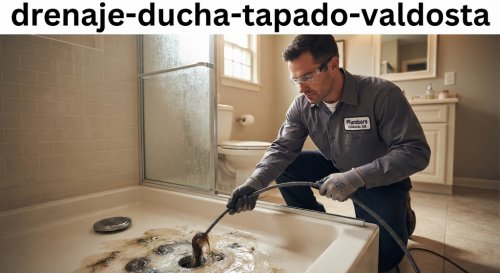
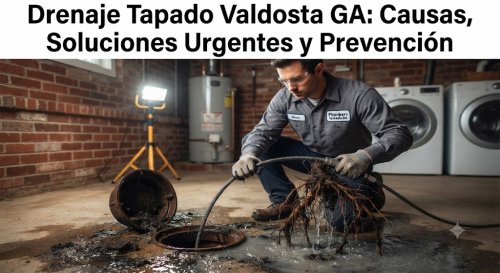
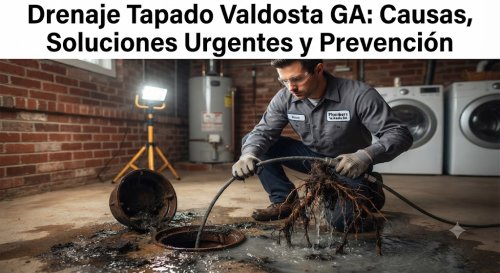
For instance, if an estimate addresses a recurring clog by only quoting a standard mechanical cable snake without mentioning a camera inspection, the underlying issue—such as a crushed pipe, a belly in the sewer line, or heavy root intrusion—remains unaddressed. Similarly, replacing a water heater without accounting for thermal expansion tanks, updated drain pans, or pressure-reducing valve (PRV) checks can lead to premature equipment failure.
Furthermore, distinguish clearly between a diagnostic fee and the repair cost. A professional diagnostic charge covers the technician's time, specialized tools, and expertise to isolate the exact failure point. Ensure you know whether that diagnostic fee is credited toward the final repair if you approve the work.
Questions to Ask Before Approving Plumbing Work
Before signing an agreement or authorizing substantial plumbing repairs, ask targeted questions to clarify the long-term value of the proposal:
- Does this repair address the root cause of the failure, or is it treating a symptom?
- What specific material is being installed, and what is its expected lifespan?
- Does the quote include full restoration of drywall, flooring, or landscaping disturbed during the repair?
- Are permits required for this specific scope of work, and are they included in the estimate?
- What warranty covers both the parts supplied and the labor performed?
Frequently Asked Questions
Why are two plumbing estimates for the same job sometimes vastly different?
Differences usually stem from the proposed scope of work. One estimate may include high-grade materials, complete permits, and full site restoration, while another may quote a basic temporary patch, omit disposal fees, or exclude access repair.
Should I always accept the lowest plumbing estimate?
Not necessarily. The lowest bid often cuts corners on material quality, diagnostic thoroughness, or warranty protection. Evaluate what is included in the scope rather than focusing solely on the final price.
What is a plumbing change order, and how can I avoid it?
A change order is an added cost when unforeseen issues arise during a project, such as severely corroded hidden pipes or structural obstructions. You can minimize surprises by asking the plumber to detail potential risks before work begins.
Are diagnostic fees standard when getting an estimate?
Yes. Finding a hidden leak, tracing a complex drainage failure, or inspecting a failing water heater requires specialized diagnostic tools and professional expertise. Many reputable contractors credit this fee toward the repair if you proceed with them.
How important is the warranty on a plumbing repair?
A strong warranty indicates that the contractor stands behind the quality of their labor and materials. Always secure written documentation outlining how long both parts and workmanship are covered.
How do I know if an estimate includes code-compliant materials?
A professional estimate should explicitly list the pipe types, fittings, and installation methods. If you are unsure whether the materials meet local standards, ask the contractor to reference the specific code requirements applicable to the project.