Valdosta Residential Plumbing Guide: Systems & Maintenance
Explore a comprehensive residential plumbing guide for Valdosta, GA homeowners covering system types, local environmental factors, and maintenance.

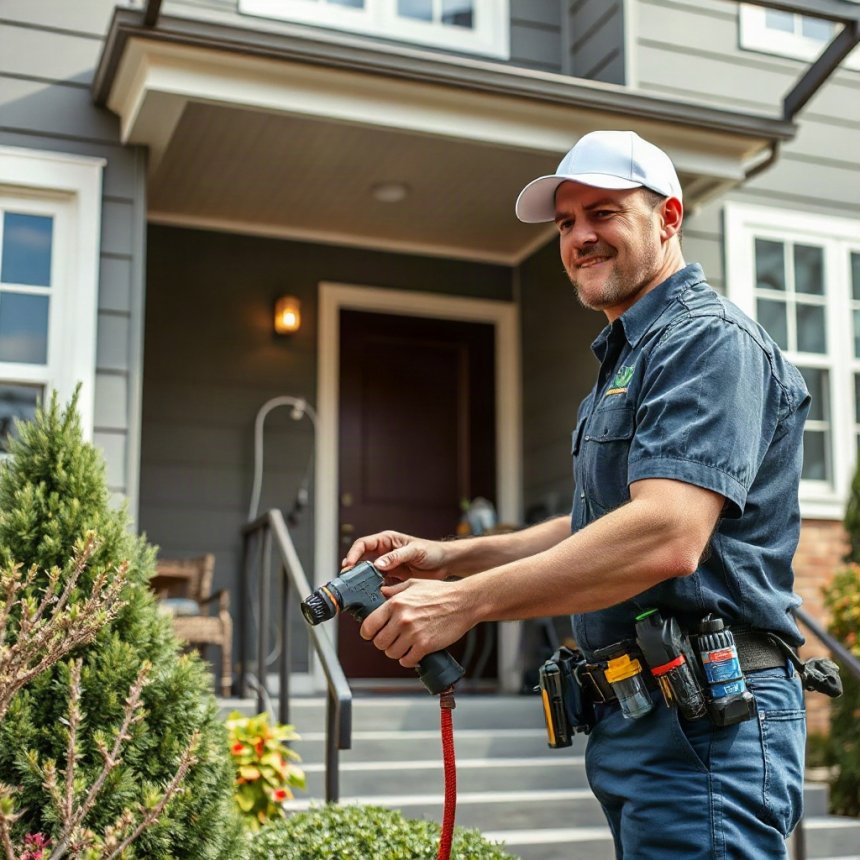
Navigating Residential Plumbing Systems in Valdosta, GA
Owning a home in Valdosta, Georgia, means managing a unique set of environmental and structural factors that directly influence your residential plumbing system. From the intense summer heat and high humidity to heavy seasonal rainfall and localized soil conditions, local properties face distinct challenges. Understanding how your home's water supply, drainage, and fixture networks operate helps you diagnose everyday issues, protect your property from water damage, and know when to seek professional plumbing repair in Valdosta, GA.
Unlike standardized national plumbing overviews, a practical guide for Valdosta residents must account for common local property characteristics, such as crawl-space configurations, slab foundations, older pipe materials in established neighborhoods, and outdoor supply lines exposed to extreme seasonal changes. This guide breaks down how your residential system functions, what specific clues reveal underlying failures, and how to maintain your plumbing effectively.
Anatomy of a Valdosta Home Plumbing System
A residential plumbing network consists of two independent yet connected subsystems: the supply side and the drainage side. Recognizing the boundary between these networks is the first step in effective troubleshooting.
- The Supply System: This network brings municipal water or well water into your home under pressure. It feeds your water heater, kitchen faucets, bathroom fixtures, washing machine, and outdoor hose bibs. When something fails here, you typically notice pressure drops, leaks, or uncontrolled water flow.
- The Drainage System: Gravity-driven and unpressurized, this network carries wastewater away from your fixtures through branch lines into a main stack, eventually exiting the property toward the municipal sewer lateral or an onsite septic system. Vent pipes running through your roof equalize air pressure to ensure smooth, unhindered flow.
In many Valdosta properties, plumbing infrastructure sits within ventilated crawl spaces or beneath concrete slabs. Crawl spaces offer easier visual access for pipe inspection, but they also expose supply and drain lines to high relative humidity, condensation, and temperature fluctuations. Properties built on slabs conceal their under-slab water and drain lines completely, meaning hidden leaks often require specialized electronic detection.
Recognizing Early Warning Signs of Plumbing Failure
Plumbing failures rarely happen without warning. Minor symptoms usually precede major leaks or structural backups. Learning to interpret these clues prevents minor inconveniences from turning into costly emergencies.
Interpreting Drainage Behavior
When a single sink drains slowly, the restriction is typically localized within that fixture’s trap or immediate tailpiece. However, if multiple fixtures on the same floor—such as a shower, toilet, and bathroom sink—drain sluggishly or gurgle when another fixture empties, the problem lies deeper in the branch line or the main sewer stack. Gurgling indicates that trapped air is escaping through a fixture trap because the main vent or drain is partially choked.
Unexplained Changes in Water Pressure
A sudden drop in water pressure at a single faucet usually points to a clogged aerator or a partially closed supply valve under the sink. Conversely, if every fixture in the house experiences low pressure, the issue stems from the main supply line, a failing pressure-reducing valve (PRV), or a municipal supply restriction. If you notice surging water or hammering noises when turning valves off, water hammer arrestors may have failed, putting excessive stress on pipe joints.
Subtle Indicators of Hidden Leaks
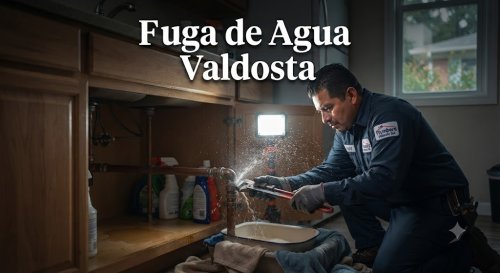
Water always follows the path of least resistance. The visible wet spot on a ceiling or wall is rarely the exact location of the leak. In Valdosta homes with crawl spaces, unexplained damp soil, musty odors, or sudden spikes in your monthly water bill often indicate a slow leak on a supply line running beneath the floor joists. Always check your water meter when all fixtures are turned off; if the low-flow indicator triangle is spinning, water is escaping somewhere in the system.
Safe Homeowner Maintenance and Diagnostic Steps
While major repairs require professional training and specialized tools, homeowners can safely perform routine checks and preventative tasks to maintain their plumbing health.
- Test Emergency Shutoff Valves: Locate your main water shutoff valve and individual fixture stops beneath sinks and behind toilets. Turn them gently every few months to ensure they do not seize up. In an emergency, being able to shut off water quickly limits structural damage.
- Inspect Crawl Spaces Periodically: If your home features a crawl space, inspect it after heavy regional rainfall. Look for standing water, pooling around plumbing penetrations, dripping pipe insulation, or unusual mold growth that could signal a leaking drain or supply pipe.
- Manage Outdoor Hose Bibs: Although Valdosta rarely experiences prolonged hard freezes, sudden winter temperature drops can occur. Disconnecting garden hoses and inspecting exterior faucets helps prevent seasonal pipe stress.
- Flush Water Heater Sediment: Annual flushing removes mineral and sediment accumulation inside tank water heaters, extending the lifespan of the appliance and improving heating efficiency.
Never attempt to clear main sewer lines using chemical drain openers if a complete blockage is present. Caustic chemicals can sit in blocked pipes, creating severe safety hazards during subsequent manual clearing or hydro-jetting.
Repair Scope and Cost Variables
When plumbing components fail, repair costs vary widely based on several practical factors rather than arbitrary pricing. Understanding these variables helps property owners evaluate contractor estimates realistically.
- Accessibility: Repairing a leaking pipe in an open crawl space or an exposed utility wall involves less labor and restoration than repairing a compromised drain line beneath a concrete slab or behind finished tile work.
- Material and Age: Older homes featuring galvanized steel or polybutylene piping often require targeted repiping rather than a simple spot repair, as degraded adjacent pipe sections may fail shortly after the initial fix.
- Diagnostic Complexity: Finding the exact source of a hidden under-slab leak or a complex sewer-line root intrusion requires specialized equipment such as acoustic listening devices, thermal cameras, and push-rod sewer inspection cameras.
- Emergency Timing: After-hours emergency dispatching involves immediate resource mobilization, affecting overall service costs compared to scheduled routine maintenance.
A professional estimate should clearly separate diagnostic fees, labor hours, specific material specifications, and any necessary surface restoration, such as drywall or flooring repair.
Frequently Asked Questions
Frequently Asked Questions
Why does my toilet bubble or gurgle when the washing machine drains?
This symptom indicates a venting or main drainage restriction. When the washing machine discharges a large volume of water rapidly, it pushes air down the drain stack. If the vent pipe is blocked by debris or if the main drain line has a partial restriction, that displaced air escapes through the nearest water trap, which is usually the toilet bowl.
How can I tell if a high water bill is caused by a hidden leak or a running toilet?
A running toilet usually produces a faint, continuous sound of trickling water and can be diagnosed by placing a few drops of food coloring in the tank. If color seeps into the bowl without flushing after 15 minutes, the flapper valve is leaking. If toilets check out fine and no fixtures are dripping, the water loss is likely occurring in a hidden supply line underground, behind a wall, or beneath the floor.
Is low water pressure throughout my Valdosta home a municipal issue or a plumbing problem?
If your neighbors are experiencing identical pressure drops, the issue likely originates with the municipal water utility supply. If your home is the only one affected, check your main water shutoff valve to ensure it is fully open, inspect your water meter valve, or evaluate your pressure-reducing valve for internal failure.
What causes recurring clogs in the same bathroom sink or shower?
Recurring clogs usually mean that a previous plunger or chemical treatment only cleared a path through the obstruction rather than removing the entire mass. Over time, hair, soap scum, and mineral scale build up on rough pipe interiors. If multiple fixtures are slow, a camera inspection of the branch drain or main sewer lateral is recommended.
Should I repair or replace an aging water heater in my property?
Water heaters generally last between 8 and 12 years. If your unit is experiencing minor component failures—such as a faulty thermostat or a pressure relief valve issue—and the tank itself is sound, repair is usually cost-effective. However, if the tank body is actively leaking, or if the unit is over a decade old and struggling to maintain temperature, replacement prevents sudden catastrophic tank failure.