Most Common Plumbing Problems Homeowners Should Understand
Learn to diagnose the most common plumbing problems in your home. Discover causes, safe checks, hidden insights, and repair considerations.

Understanding Everyday Plumbing Failures
Every residential plumbing system works as a complex network of supply lines, drainage pipes, vents, and fixtures. When something goes wrong, it is easy to panic or assume the worst. However, understanding the underlying mechanisms behind everyday plumbing failures can help homeowners make informed decisions, avoid unnecessary emergency service fees, and recognize when a situation requires professional intervention.
Property owners in Valdosta, Georgia face unique environmental factors that can influence system durability. High summer humidity, sustained warm weather, sudden heavy seasonal storms, and older infrastructure found in many established neighborhoods can accelerate wear and tear on pipes, joints, and outdoor fixtures. Knowing what to look for and how to interpret early warning signs makes all the difference.
1. Running or Continuously Cycling Toilets
A toilet that runs constantly is perhaps the most common household plumbing annoyance, yet many homeowners ignore it because the sound is faint. A running toilet is not just an auditory nuisance; it can waste hundreds or even thousands of gallons of water per day, leading to unexpectedly high utility bills.
The mechanism behind this failure usually involves the tank components. Over time, the rubber flapper at the bottom of the tank degrades, warps, or accumulates mineral deposits, preventing it from forming a tight seal. Alternatively, the water level in the tank might be set too high, causing water to spill continuously into the overflow tube.
- Safe Homeowner Check: Remove the tank lid and observe the water level. If water is trickling into the overflow tube, or if the flapper has stiffened and fails to seat cleanly, you have found the likely culprit.
- Common Pitfall: Simply jiggling the flush handle provides only a temporary fix if the flapper is physically degraded. Adjusting the chain length can help, but worn rubber components require full replacement.
2. Slow-Draining Sinks and Showers
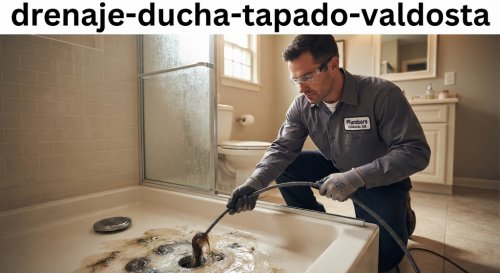
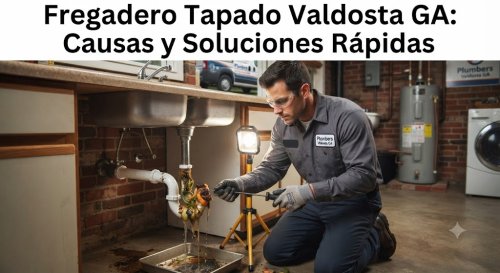
Slow drains are an inevitable part of homeownership, but treating them requires understanding where the restriction is located. In kitchen sinks, clogs usually result from accumulated grease, soap scum, and food particles. In bathroom sinks and showers, hair combined with soap binder creates dense, stubborn blockages.
A crucial hidden insight is that a slow drain at a single fixture usually indicates a localized obstruction within that fixture's trap or branch line. However, if multiple fixtures on the same floor begin draining slowly or gurgling simultaneously, the problem is likely much deeper within the main sanitary drainage or vent system.
- Safe Homeowner Check: Inspect the P-trap underneath the sink using a flashlight for visible debris or minor leaks at the slip joints. For showers, remove the drain strainer and pull out visible hair buildup.
- What to Avoid: Pouring chemical drain cleaners repeatedly down slow drains can corrode older metal piping, weaken PVC joints, and create a hazardous situation if the chemical fails to clear the clog and sits stagnant in the pipe.
3. Unexplained Low Water Pressure at Individual Fixtures
When water pressure drops suddenly, it can disrupt daily routines. However, the diagnostic approach depends heavily on whether the pressure loss affects one specific fixture or the entire property.
If low pressure occurs at only one faucet or showerhead, the issue is almost always localized. Mineral scale buildup can clog the aerator screen on a kitchen or bathroom faucet. In showerheads, hard-water deposits can block individual spray nozzles, restricting water flow.
- Safe Homeowner Check: Unscrew the faucet aerator screen. If you notice small mineral granules or debris trapped inside the screen mesh, clean it out and reattach the fixture.
- Whole-House Pressure Drop: If all fixtures throughout the home experience sudden pressure loss, check the main water shut-off valve to ensure it is fully open. If the valve is open and pressure remains low, the issue may stem from a supply-line restriction or a failing pressure-reducing valve (PRV).
4. Intermittent Water Heater Inconsistencies
Water heaters operate quietly until a failure occurs, often signaling trouble through lukewarm water, strange noises, or minor leaks. Sediment buildup is a primary enemy of tank-style water heaters. In areas with high mineral content, calcium and magnesium particles settle at the bottom of the tank over time.
When a thick layer of sediment accumulates between the burner and the water (in gas units) or over the lower heating element (in electric units), the system must work harder to heat the water. This causes popping or rumbling sounds as trapped water boils beneath the sediment layer, and it can eventually lead to premature tank corrosion or failure.
- Diagnostic Clue: If water runs out much faster than it used to during a shower, it may indicate a broken dip tube—the internal pipe that directs cold water to the bottom of the tank—or a failing upper heating element in electric models.
5. Hidden Water Leaks and Spike in Utility Bills
Perhaps the most concerning plumbing issue for property owners is a hidden leak. Unlike a dripping faucet or a bursting pipe, hidden leaks occur silently behind walls, beneath concrete slabs, or underground along the service line connecting the municipal water supply to the home.
One of the most reliable indicators of a hidden leak is an unexplained increase in your monthly water bill, even when household water usage habits remain unchanged. Other subtle clues include musty odors in closets or hallways, warm spots on a concrete floor, peeling baseboards, or the sound of running water when all fixtures are turned off.
- The Water Meter Test: Turn off all indoor and outdoor water faucets. Locate your water meter and observe the small low-flow indicator dial. If the dial is spinning or moving slowly, water is actively escaping somewhere in your system.
Factors Influencing Plumbing Repair and Maintenance Costs
When a plumbing problem goes beyond basic homeowner maintenance, professional services become necessary. Understanding why plumbing repairs vary in scope and cost helps property owners evaluate estimates realistically.
- Accessibility: A repair located on an exposed pipe in an open utility room takes significantly less labor than accessing a leaking pipe beneath a concrete slab or inside a tightly confined crawl space.
- Material and Pipe Age: Older homes featuring galvanized steel or aging polybutylene piping often require more extensive repairs or partial repiping rather than simple spot patching, because older materials tend to crumble or crack when disturbed.
- Diagnostic Complexity: Pinpointing the exact source of a hidden leak or a recurring sewer backup often requires specialized equipment, such as electronic acoustic listening devices or waterproof sewer video cameras.
- Emergency Timing: After-hours or weekend emergency callouts involve urgent mobilization, which impacts labor rates compared to scheduled daytime maintenance.
Frequently Asked Questions
Frequently Asked Questions
How can I tell if my main sewer line is blocked or if it is just a single clogged drain?
If only one fixture drains slowly or backs up, the blockage is usually local to that fixture or its immediate branch line. However, if multiple plumbing fixtures—such as a toilet, bathtub, and sink—back up or gurgle when another fixture is used, the problem typically lies in the main sewer line.
Why does my toilet gurgle when the bathroom sink is draining?
Gurgling indicates air is trapped or displaced within the drainage and venting system. When a draining sink pulls air through the vent stack, it may draw air through the water trap of a nearby toilet if the venting system is partially blocked or inadequate.
Is it safe to use chemical drain cleaners on stubborn clogs?
Chemical drain cleaners provide a temporary fix at best and can be hazardous. They generate heat and harsh chemical reactions that can pit metal pipes, degrade older PVC joints, and pose serious safety risks if the chemical fails to clear the clog and splashes back during subsequent plunging.
What should I do immediately if a pipe bursts inside my home?
Your first priority is to minimize water damage by locating and shutting off the main water supply valve immediately. Once the water is off, open low-level faucets to drain remaining water from the lines, turn off the electricity to affected areas if safe, and clear valuable items from the wet zone.
Why does my water heater make a loud popping or rumbling noise?
Rumbling and popping noises usually indicate a heavy accumulation of mineral sediment at the bottom of the tank. As water becomes trapped beneath the sediment layer and is heated by the burner or element, it boils and creates steam bubbles that burst upward through the sediment.
How often should a residential plumbing system be inspected?
While homeowners can perform monthly visual checks of visible pipes, shut-off valves, and water meters, a professional plumbing inspection is recommended every few years—or annually for older properties with aging infrastructure or mature trees whose roots threaten underground sewer lines.