Most Common Plumbing Problems: A Homeowner’s Guide
Discover the most common plumbing problems homeowners face, what causes them, safe troubleshooting steps, and when to call a professional in Valdosta GA.

Understanding Everyday Plumbing Failures
Every home relies on a complex network of supply pipes, drain lines, vents, and fixtures working in harmony. When something goes wrong, it is easy to panic or reach for a quick fix that only masks the underlying issue. Understanding how your home's plumbing operates helps you distinguish between minor maintenance tasks and genuine emergencies that require professional intervention.
Property owners in Valdosta, Georgia face unique challenges due to regional environmental factors. High summer temperatures, heavy seasonal rainfall, expansive clay soils, and mineral content in local water supplies all place distinct stress on residential and commercial plumbing systems. Knowing what to look for can save you from costly water damage and unnecessary repair bills.
1. Slow-Moving and Stubborn Clogs
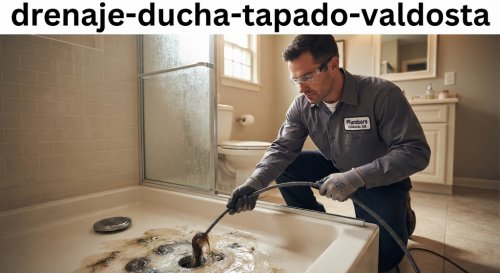
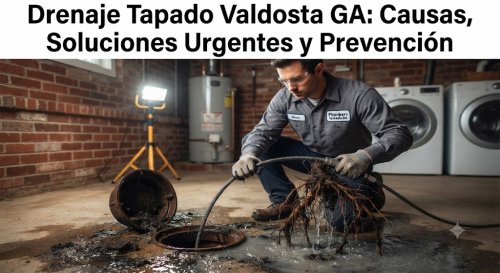
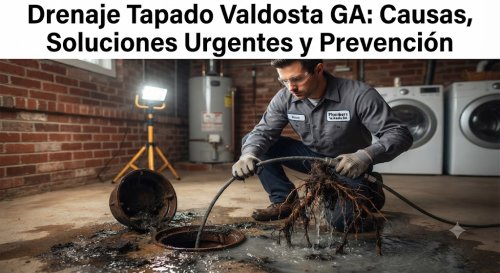
Drain clogs are perhaps the most frequent issue homeowners encounter. A slow sink, shower, or tub usually starts small, accumulating hair, soap scum, grease, or mineral scale over time. However, not all clogs are created equal. When a single fixture drains slowly, the restriction is typically localized to that trap or branch line. When multiple fixtures back up simultaneously—such as a toilet bubbling when you run the bathroom sink—the problem usually lies deeper in the main drain or sewer lateral.
- Safe Homeowner Action: For localized sink or tub clogs, a standard cup plunger or a basic manual drain snake can often clear hair and soap buildup trapped near the fixture.
- What to Avoid: Pouring chemical drain cleaners into blocked pipes can be hazardous. If the chemical fails to clear the obstruction, it leaves standing corrosive liquid in the pipe, endangering anyone trying to service the line later and potentially damaging older plumbing materials.
If a cleared clog returns within a few weeks, the physical obstruction was likely never fully removed, or structural problems such as pipe sagging, root intrusion, or pipe corrosion are catching debris.
2. Running and Intermittent Toilets
A running toilet is notorious for wasting thousands of gallons of water silently over a short period. The mechanism inside a gravity-fed toilet tank relies on a delicate balance between the fill valve, float, and flush valve flapper. Over time, rubber flappers warp, mineral deposits form on sealing surfaces, or the chain connecting the trip lever to the flapper becomes too tight or too slack.
A hidden insight many homeowners miss is that a toilet does not always need to roar loudly to waste water. A slow, silent trickle of water running continuously from the tank into the bowl can drastically increase your monthly utility bill without drawing immediate attention. Replacing a worn flapper is usually straightforward, but if water continues to run or if the fill valve fails to shut off completely, valve replacement or float adjustment is necessary.
3. Water Heater Inefficiencies and Failures
Water heaters operate constantly under pressure, making them susceptible to wear and tear. Whether you use a traditional tank water heater or a modern tankless system, performance changes usually give advance warning before total failure occurs. Sediment buildup is a primary culprit, especially in areas with heavier mineral content. As minerals settle at the bottom of a storage tank, they form a barrier between the burner or lower heating element and the water itself, leading to popping noises, reduced hot water capacity, and premature tank stress.
In hot, humid climates like South Georgia, condensation can sometimes be mistaken for a leaking tank. High indoor humidity combined with cold incoming groundwater can cause moisture to form on the exterior of a steel tank. Inspecting the fittings, temperature and pressure relief valve, and base connections carefully helps determine whether you are dealing with harmless condensation or an active tank failure.
4. Unexplained Fluctuations in Water Pressure
Low or fluctuating water pressure can transform routine daily tasks like showering or washing dishes into frustrating chores. When low pressure affects only a single faucet or showerhead, the fix is often as simple as unscrewing the aerator or showerhead and soaking it in a mild cleaning solution to dissolve mineral scale and trapped sediment.
However, if low water pressure occurs simultaneously across multiple fixtures throughout the property, the root cause is entirely different. It may point to a partially closed main water shut-off valve, a failing pressure-reducing valve (PRV), or an underground supply line leak between the municipal meter and your foundation. If you notice pressure dropping specifically when running hot water, the restriction is likely isolated to sediment buildup inside the water heater's supply nipples or internal dip tube.
5. Hidden Leaks and Moisture Damage
Not all water leaks announce themselves with spraying pipes or puddles on the floor. Hidden leaks behind walls, beneath concrete slab foundations, or inside confined crawl spaces often progress silently for weeks or months. Warning signs include musty odors, warped baseboards, unexplained warm spots on flooring, peeling wallpaper, or a water meter that continues to turn when every fixture in the property is turned off.
Properties built over crawl spaces require regular inspection, particularly during rainy seasons when high water tables and heavy storms can saturate the ground beneath the structure. Excess moisture creates an ideal environment for mold growth and wood-destroying organisms, which can threaten both your plumbing and your home's structural integrity.
Factors That Influence Plumbing Repair and Replacement Costs
When a plumbing problem goes beyond DIY capability, professional intervention becomes necessary. Understanding what influences the scope and cost of plumbing services helps property owners evaluate estimates effectively. Key cost variables include:
- Accessibility: Working on exposed pipes in an open utility room is faster and less disruptive than accessing a leaking supply line buried beneath a concrete slab or hidden behind finished drywall.
- Material and Age: Older homes featuring galvanized steel, cast iron, or obsolete plastic piping often require specialized fittings or partial repiping rather than a simple gasket replacement.
- Diagnostic Requirements: Complex intermittent issues, hidden leaks, or deep sewer line obstructions may require specialized diagnostic tools such as electronic leak detectors or sewer video cameras to pinpoint the exact failure point.
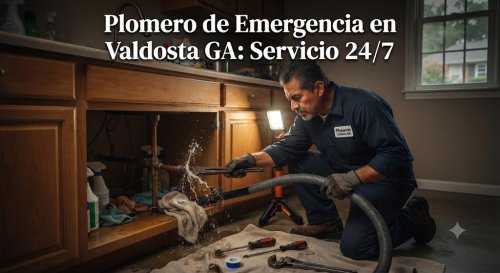
- Emergency Timing: After-hours emergency dispatches involve specialized scheduling, which affects labor allocation compared to scheduled routine maintenance.
A professional estimate should clearly separate diagnostic charges from labor and materials, outlining the specific steps required to resolve the root cause rather than just treating the surface symptom.
Frequently Asked Questions
How do I know if a clogged drain is a simple blockage or a main sewer line issue?
If only one fixture is draining slowly or backing up, the problem is usually isolated to that specific line. If multiple plumbing fixtures on the same floor—such as toilets, tubs, and sinks—slow down or back up together, the issue typically resides in the main drain or sewer line.
Why does my toilet run intermittently without anyone flushing it?
This is almost always caused by a worn or warped rubber flapper at the bottom of the tank that fails to form a tight seal, allowing water to slowly leak into the bowl. When the water level in the tank drops enough, the fill valve turns on automatically to refill it.
Can high humidity in Valdosta cause my water heater to leak?
High humidity itself does not cause a structural tank leak, but it can cause heavy condensation to form on the cold steel jacket of the tank, mimicking a slow leak. Always check the top fittings, valves, and base to confirm whether the moisture is originating from inside the plumbing system or the ambient air.
What should I do immediately if a pipe bursts inside my home?
Your first step is to locate and shut off the main water supply valve to stop the flow of water immediately. Open nearby faucets to drain remaining pressure from the lines, turn off electricity to the affected area if water is near outlets, and clear valuable items away from the wet zone before calling a professional.
Why does my water pressure drop suddenly when I turn on multiple fixtures?
A noticeable pressure drop across multiple fixtures when running water simultaneously often points to a partially restricted main water supply line, a failing pressure-reducing valve, or an undersized pipe network that cannot keep up with high flow demand.
Is it safe to use chemical drain cleaners for recurring clogs?
Chemical drain cleaners are generally not recommended for recurring clogs because they only burn a small hole through the center of a blockage without removing the buildup along the pipe walls. Furthermore, harsh chemicals can damage older pipes and pose safety risks to anyone performing subsequent physical repairs.