Most Common Plumbing Problems: A Valdosta Homeowner Guide
Understand the most common plumbing problems in Valdosta homes. Learn why failures happen, what clues matter, safe checks, and when to call a plumber.

Understanding Everyday Plumbing Failures in Valdosta Homes
Home plumbing systems work silently behind walls, underneath floors, and throughout crawl spaces until a sudden failure interrupts daily life. When something goes wrong, homeowners are often left wondering whether a symptom is a minor nuisance or an indicator of a major system failure. Recognizing how residential plumbing components behave—and understanding why they fail—helps property owners make informed decisions about troubleshooting, maintenance, and professional repairs.
In Valdosta, Georgia, local environmental conditions like high summer humidity, heavy seasonal downpours, and shifting soils can interact with residential plumbing in subtle ways. While every property features a unique layout, age, and pipe material, certain plumbing issues occur with remarkable frequency. Exploring these common problems reveals that visible symptoms often mask the true underlying cause.
1. Running or Intermittently Cycling Toilets
A toilet that runs continuously or clicks on randomly throughout the night is one of the most frequent household complaints. Beyond the irritating sound, a running toilet can waste hundreds of gallons of water daily, driving up utility bills without leaving any visible puddles on the bathroom floor.
Why It Happens
Inside the tank, water regulation depends on a delicate balance between the fill valve, the flush valve seat, and the flapper chain. Over time, rubber flappers warp, harden, or accumulate mineral deposits from municipal water supplies, preventing a watertight seal. If the chain is too tight, it prevents the flapper from seating completely. If the float is set too high, water spills continuously into the overflow tube.
Hidden Diagnostic Insight
Many homeowners assume a running toilet is completely silent when it is not actively flushing. However, a slow, silent leak where water trickles down the bowl wall without making a rushing sound can still drain the tank every few minutes, causing the fill valve to kick on briefly. Placing a few drops of food coloring in the tank and waiting ten minutes without flushing will reveal this hidden leak if color bleeds into the bowl.
2. Slow Drains and Recurring Clogs
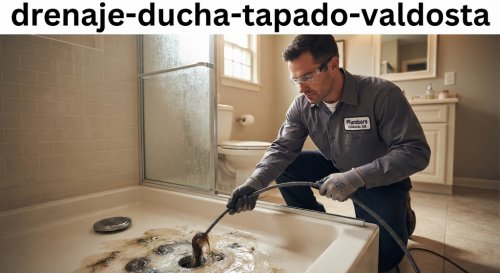
A sink that drains sluggishly or a shower pan that fills during use is a classic sign of an obstruction. While store-bought chemical drain cleaners offer a quick fix, they rarely solve the root cause of recurring blockages.
Why It Happens
In bathroom sinks and tubs, clogs typically consist of hair, soap scum, and skin oils binding together along the interior pipe walls. In kitchen sinks, clogs usually result from grease, fat, food particles, and coffee grounds accumulating over time. In Valdosta homes featuring older cast-iron or galvanized steel drain lines, rough interior pipe corrosion can catch debris much faster than smooth modern PVC piping.
Safe Homeowner Checks and Limitations
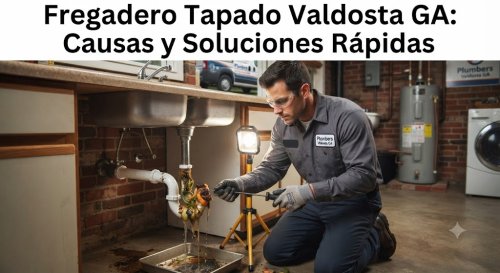
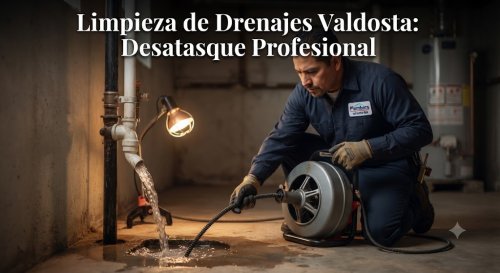
Homeowners can safely check and clear the P-trap located directly beneath most bathroom and kitchen sinks using a bucket and channel-lock pliers. Removing hair from a shower drain strainer or a pop-up stopper is also straightforward. However, if a plunger only provides a temporary fix—or if plunging one fixture causes water to bubble up in another—the restriction is likely located further downstream in a branch line or the main sewer stack, requiring professional mechanical clearing or camera inspection.
3. Unexplained Low Water Pressure at Fixtures
A sudden or gradual drop in water pressure can transform routine tasks like washing dishes or taking a shower into frustrating experiences. Diagnosing pressure issues requires determining whether the problem affects a single fixture or the entire property.
Why It Happens
If low pressure occurs at only one faucet or showerhead, the problem is almost always localized. Aerators on bathroom and kitchen faucets collect mineral scale, fine sediment, and debris over time, restricting water flow. For whole-house pressure drops, potential causes include a partially closed main water shut-off valve, a failing pressure-reducing valve (PRV) on the supply line, or a hidden supply leak.
Diagnostic Clues to Watch
Check multiple fixtures across the house. If the kitchen sink has strong pressure but the upstairs bathroom shower is a trickle, the restriction is isolated to that bathroom's supply line or mixing valve. If every faucet in the house experiences low pressure simultaneously, the issue originates at the main water entry point.
4. Water Heater Inefficiencies and Leaks
Water heaters operate under constant thermal stress and pressure. When they fail, homeowners usually notice a sudden lack of hot water, strange rumbling noises, or moisture pooling around the base of the tank.
Why It Happens
Traditional tank water heaters accumulate sediment at the bottom of the tank as minerals precipitate out of heated water. In warm climates like South Georgia, sediment buildup can accelerate if municipal water has high mineral content. This sediment layer acts as a thermal barrier between the burner or lower heating element and the water, forcing the system to work harder and creating popping or rumbling sounds. Eventually, thermal expansion and corrosion can breach the inner glass-lined tank, leading to a permanent leak.
Repair vs. Replacement Considerations
While components like thermostats, heating elements, anode rods, and temperature-pressure relief valves can be replaced individually, a leaking tank body cannot be repaired. Once the structural steel of the tank has failed from internal corrosion, full replacement is the only viable option.
5. Hidden Water Leaks Behind Walls and Underground
Not all leaks make themselves obvious through pooling water. Hidden leaks can persist for weeks or months behind walls, underneath concrete slabs, or along underground supply lines between the water meter and the home.
Why It Happens
Pipe connections loosen due to thermal expansion, vibrations, or foundation settling. In crawl spaces—common throughout the Valdosta area—moisture, condensation, and high humidity can make minor pipe weeping difficult to distinguish from structural humidity. Supply pipes routed beneath concrete slabs can also suffer pinhole leaks due to soil shifting or chemical reactions between soil and metal piping.
Clues That Indicate a Hidden Leak
An unexplained spike in the monthly water bill, the sound of water running when all fixtures are closed, warm spots on a floor surface, or musty odors in a crawl space can all point toward a hidden leak. Performing a water meter test—checking the low-flow indicator dial while every tap in the home is turned off—is a reliable way to confirm whether water is continuously escaping somewhere in the system.
Understanding Repair Costs and Scope Variables
When plumbing repairs become necessary, homeowners frequently wonder why estimates vary widely for seemingly similar tasks. Several key factors influence plumbing repair pricing:
- Accessibility: Working on exposed pipes in an open utility room takes significantly less time than accessing a leaking pipe buried beneath a concrete slab or cramped inside a sealed wall cavity.
- Material and Pipe Condition: Older brittle pipes, such as aging polybutylene or corroded galvanized steel, require specialized fittings and careful handling to prevent collateral damage during repair.
- Diagnostic Complexity: Locating the exact source of a hidden leak or a complex sewer backup often requires advanced diagnostic equipment like electronic listening devices or sewer inspection cameras.
- Emergency Timing: After-hours emergency calls or interventions during severe weather events involve different labor logistics and response requirements than scheduled daytime maintenance.
Frequently Asked Questions
Frequently Asked Questions
Why does my drain keep clogging even after I use liquid drain cleaner?
Liquid chemical cleaners primarily burn a narrow channel through the center of a clog, leaving grease, hair, and soap residue clinging to the pipe walls. This allows new debris to catch quickly, causing the clog to return. Mechanical removal using a snake or professional hydro-clearing is far more effective at cleaning the entire inner diameter of the pipe.
How can I tell if a high water bill is caused by a leak or an increase in usage?
Check your water meter when no water is running in the house. If the small low-flow indicator triangle or dial is moving, water is actively flowing through the system, confirming a leak rather than normal household consumption.
Is it safe to ignore a water heater that makes popping noises?
While a noisy water heater will not explode instantly, the popping sound indicates heavy sediment accumulation at the bottom of the tank. This sediment reduces energy efficiency, overheats the metal tank bottom, and shortens the lifespan of the appliance if left unaddressed.
What should I do immediately if a pipe bursts in my home?
Locate and shut off the main water supply valve immediately to stop the flow of water. If necessary, shut off the electricity to affected areas if water is near electrical outlets or panels, then open nearby faucets to drain remaining pressure from the lines.
Why does my toilet bubble when I run the bathroom sink?
Air bubbles forcing their way through the toilet trap when a nearby sink drains indicate a venting problem or a partial blockage in the main drain line. When water rushes down a vent or drain stack without proper air intake, it pulls air through nearby plumbing traps, causing bubbling or gurgling sounds.
Can high humidity in Valdosta cause my plumbing pipes to sweat?
Yes. Cold water supply pipes running through unconditioned crawl spaces or humid rooms can collect condensation on their exterior surfaces when warm, humid air contacts the cold pipe wall. This moisture is often mistaken for a plumbing leak when it is actually environmental condensation.