Common Plumbing Problems Homeowners Face & How to Spot Them
Discover the most common plumbing problems homeowners face, how to identify early warning signs, safe diagnostic steps, and when to call a plumber.

Understanding Everyday Plumbing Issues Before They Escalate
Home plumbing systems work silently behind walls and beneath floors until something goes wrong. When a fixture fails or a pipe springs a leak, it can disrupt daily life and lead to costly property damage if it is not addressed correctly. Knowing how to identify the most common plumbing problems, understanding what causes them, and recognizing the difference between a minor adjustment and a serious failure helps property owners make informed decisions.
In regions with fluctuating seasonal conditions and high humidity like Valdosta, Georgia, plumbing systems experience distinct environmental stressors. From outdoor lines impacted by shifting soil and heavy seasonal rainfall to indoor fixtures working overtime during hot summer months, recognizing early trouble signs can prevent minor annoyances from turning into major emergencies.
1. Running or Constantly Cycling Toilets
A toilet that continues to run long after a flush is one of the most frequent household complaints. While the sound can be annoying, the hidden danger is the sheer volume of wasted water. A minor internal leak can waste hundreds of gallons a day without leaving a single puddle on the bathroom floor.
What Causes It: In most cases, the problem lies inside the tank. A worn-out flapper valve fails to seal tightly against the flush valve seat, allowing water to trickle continuously from the tank into the bowl. Other causes include a water level set too high—causing water to spill into the overflow tube—or a chain connected to the flapper that is too tight, preventing the seal from closing completely.
What You Can Safely Check: Remove the tank lid and observe the water level. It should sit about an inch below the top of the overflow tube. You can also perform a simple dye test by placing a few drops of food coloring into the tank. If colored water appears in the bowl within ten to fifteen minutes without flushing, the flapper is leaking and needs replacement.
2. Slow-Draining Sinks, Showers, and Tubs
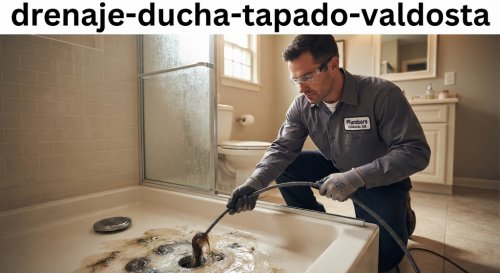
When water takes longer than usual to empty down a bathroom or kitchen drain, it is tempting to reach for a chemical drain cleaner. However, treating every slow drain the same way can lead to recurring blockages or damaged pipes.
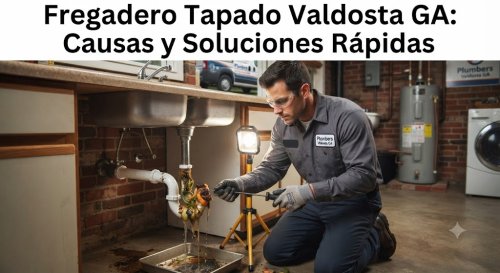
What Causes It: In bathroom sinks and showers, slow drains are typically caused by an accumulation of hair, soap scum, and body oils binding together near the drain opening or the trap underneath. In kitchen sinks, the culprit is usually food scraps, grease, and fat buildup that coats the interior walls of the branch drain lines over time.
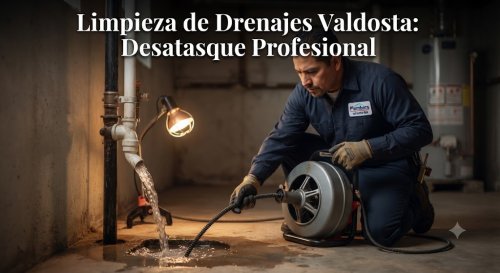
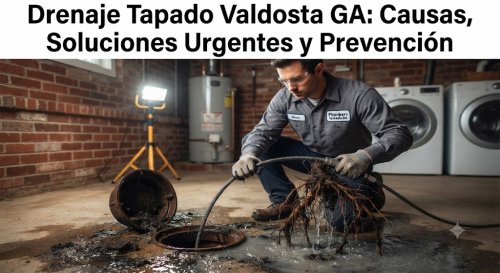
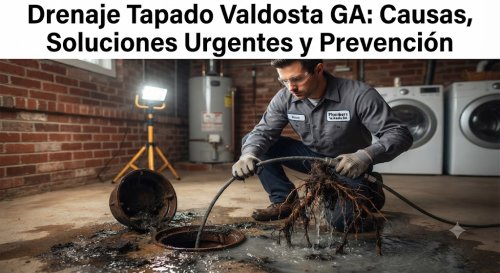
Hidden Diagnostic Insight: If only one fixture drains slowly, the issue is almost always localized to that specific trap or branch line. However, if multiple fixtures on the same floor begin draining slowly or gurgle when another fixture is used, the restriction is likely located further down in the main drain line or the sewer lateral.
What to Avoid: Avoid pouring harsh chemical drain openers into sluggish fixtures repeatedly. Chemical cleaners can corrode older metal pipes, degrade rubber seals, and fail to clear dense blockages, leaving caustic standing water in the fixture if a mechanical snake is eventually required.
3. Unexplained Low Water Pressure
A sudden or gradual drop in water pressure can make showering difficult and appliances like washing machines and dishwashers inefficient.
What Causes It: The source of low pressure depends on whether the issue affects a single fixture or the entire property. If only one faucet suffers from low pressure, the aerator screen at the tip of the faucet is likely clogged with mineral scale or sediment debris. If the entire property experiences low pressure, the cause could be a partially closed main water shutoff valve, a failing pressure-reducing valve (PRV), or a hidden supply-line leak.
Safe Homeowner Checks: Unscrew the aerator tip from the affected faucet and inspect the fine mesh screen. Rinsing trapped debris away under running water often restores full flow instantly. If multiple fixtures are affected, check the main water meter valve to ensure it is fully open.
4. Water Heater Inefficiencies and Failures
Water heaters work continuously to maintain hot water supplies, making them susceptible to wear and tear. A failing water heater rarely stops working without warning; it usually provides subtle clues.
What Causes It: Over time, minerals naturally present in water settle at the bottom of tank-style water heaters, forming a layer of sediment. In warm climates where water usage remains high year-round, this sediment layer acts as a thermal barrier between the burner or lower heating element and the water. This causes the tank bottom to overheat, resulting in rumbling or popping noises, reduced hot water capacity, and premature tank metal fatigue.
Diagnostic Clues: Discolored or rust-tinted hot water indicates internal tank corrosion, which usually means the sacrificial anode rod has been completely depleted and the tank steel is rusting. Water pooling around the base of the unit, however, often originates from a loose pipe connection, a failing temperature and pressure (T&P) relief valve, or condensation rather than a split tank.
5. Hidden Water Leaks Behind Walls and Under Slabs
Not all leaks present themselves as dripping faucets or visible puddles. Hidden leaks behind drywall, beneath flooring, or underground can cause extensive structural damage before they are detected.
What Causes It: Pipe corrosion, joint failures, excessive water pressure, or physical damage from shifting soil beneath concrete slab foundations can compromise pipe integrity over time. In humid environments, slow moisture leaks can also go unnoticed behind insulation until mold growth or musty odors develop.
Warning Signs: A sudden, unexplained increase in your monthly water bill without a change in usage is one of the clearest indicators of a hidden leak. Other signs include warm spots on concrete floors, peeling paint, warped baseboards, or the sound of water running when all fixtures are turned off.
6. Foul Sewer Odors Inside the Home
Catching a whiff of sulfur or sewage near a sink, shower, or floor drain is unpleasant and points directly to a compromised drainage defense system.
What Causes It: Every plumbing fixture relies on a U-shaped pipe called a P-trap. This trap holds a small amount of water that creates a physical barrier, preventing sewer gases from rising out of the drainage system and into the living space. When a guest bathroom goes unused for weeks, the water in the P-trap can evaporate, allowing sewer odors to escape. More serious causes include a cracked vent pipe in the attic or a dry floor drain in a utility room or crawl space.
When Professional Diagnosis Becomes Necessary
While basic maintenance like clearing faucet aerators or plunging a simple toilet clog can be handled safely by a homeowner, many plumbing problems require specialized diagnostic tools. Professional plumbers utilize electronic leak detection equipment, high-resolution sewer cameras, and pressure-testing gauges to identify the exact root cause of a system failure without destructive guesswork. Attempting complex repairs on pressurized supply lines, main sewer laterals, or gas-connected water heaters without proper training and tools risks severe property damage and personal injury.
Understanding Repair Costs and Scope Variables
When plumbing repairs are necessary, homeowners often wonder why two seemingly similar jobs carry different price tags. Plumbing costs are determined by several operational variables rather than a flat rate per task:
- Accessibility: Repairing a pipe exposed in an open crawl space takes significantly less time and labor than accessing a leaking line buried beneath a concrete slab or hidden behind finished drywall.
- Materials and Pipe Age: Older plumbing systems built with galvanized steel or polybutylene piping often require specialized fittings or complete section replacement rather than a simple patch.
- Extent of Damage: A localized clog that clears in minutes differs greatly from a collapsed sewer line requiring excavation or trenchless pipe rehabilitation.
- Urgency and Timing: Emergency service calls outside standard business hours involve mobilization and scheduling adjustments that affect overall labor deployment.
Asking a qualified professional to clearly explain the diagnostic findings, outline repair options, and detail what access points are required ensures you understand the full scope of work before authorizing repairs.
Frequently Asked Questions
Why does my toilet keep clogging even after I use a plunger?
If a toilet clogs repeatedly despite proper plunging, the obstruction may be lodged further down the trapway or in the branch drain line where a standard plunger cannot generate enough displacement. Foreign objects, excessive paper use, or a venting restriction can all cause recurring blockages.
Can I use chemical drain cleaners on a completely blocked pipe?
It is strongly discouraged. Pouring chemical cleaners into a completely blocked pipe leaves harsh caustic liquids sitting stagnant in the fixture. This can damage fixture finishes, corrode metal pipes, and pose a severe splashing hazard if a plumber later has to open the line mechanically.
What does a banging or rumbling sound in my water heater mean?
A rumbling or popping noise usually indicates a heavy accumulation of mineral sediment at the bottom of the tank. As the burner heats the water, trapped water beneath the sediment boils and creates steam bubbles that push upward, causing the rumbling sound.
How can I tell if my high water bill is caused by a leak?
Check your water meter dial when no water is running anywhere on the property. If the low-flow indicator triangle or sweep hand is moving, water is escaping somewhere in the system. You can also shut off the main water supply valve; if the meter stops moving, the leak is located inside your home's distribution system.
Why do my drains gurgle when the washing machine empties?
Gurgling occurs when a large volume of water rushes down a drain, pushing air ahead of it. If the plumbing vent system is partially blocked by leaves, debris, or bird nests, the air cannot escape through the roof vent and instead bubbles up through nearby sink or tub traps.
Is a slow main sewer line covered by standard homeowners insurance?
Generally, standard homeowners insurance policies cover sudden and accidental water damage caused by burst pipes, but they rarely cover maintenance-related issues such as tree root infiltration, pipe corrosion, or gradual wear and tear in underground sewer lines. Policy coverage varies, so checking directly with your insurance provider is recommended.