Valdosta GA Plumbing Maintenance Guide for Homeowners
Learn essential plumbing maintenance for Valdosta, GA homes. Protect your pipes, water heater, and drainage from local weather, humidity, and wear.

Protecting Your Valdosta Property Through Proactive Plumbing Care
Maintaining a residential or commercial plumbing system requires understanding how local environmental factors interact with everyday water use. In Valdosta, Georgia, properties face a unique mix of high summer humidity, heavy seasonal rainfall, warm soil temperatures, and occasional winter drops. These conditions impact everything from outdoor hose bibs to underground sewer laterals and crawl-space plumbing.
Rather than waiting for a pipe to burst, a water heater to fail, or a main sewer line to back up during a heavy summer thunderstorm, a structured maintenance routine protects your investment. This guide breaks down what Valdosta property owners should inspect, when minor fixes can be handled independently, and when calling a professional plumbing repair service prevents expensive structural damage.
The Seasonal Impact on Valdosta Plumbing Systems
Understanding regional stressors helps homeowners anticipate where failures are most likely to occur. Unlike colder northern climates where deep frost lines dictate plumbing depth, the primary concerns in Lowndes County revolve around moisture, soil shifting, and heavy seasonal water volume.
- High Humidity and Crawl Spaces: Many local homes feature crawl spaces. High ambient humidity combined with poor sub-floor ventilation accelerates pipe hanger rust, sweating supply lines, and wood rot around bathroom floor flanges.
- Intense Summer Demand: Irrigation systems, lawn sprinklers, and increased household water use place continuous stress on main water supply lines and pressure regulators.
- Heavy Rain and Storm Runoff: Rapid downpours test exterior drainage. If storm water or roof runoff pools near foundation walls, it can saturate the soil, exert hydrostatic pressure on foundation walls, and infiltrate vulnerable sewer cleanouts or cracked drain lines.
Quarterly Homeowner Plumbing Inspection Checklist
Routine visual inspections take very little time but catch small defects before they escalate into major emergencies. Walk through your property every three months with this targeted checklist.
1. Water Supply and Pressure Checks
Check every accessible supply line beneath sinks, behind toilets, and around the water heater. Look for mineral crust, damp spots, or slight discoloration on fittings. Test your water pressure using a simple hose-bib gauge attached to an outdoor spigot. Normal residential pressure generally ranges between 50 and 70 pounds per square inch (psi). If your gauge reads above 80 psi, high pressure places constant stress on appliance valves, faucet cartridges, and supply flexible lines, making a pressure-reducing valve (PRV) inspection necessary.
2. Water Heater Performance and Sediment Flushing
Tank-type water heaters accumulate mineral sediment at the bottom of the tank due to municipal and well-water mineral content. In warm climates where water heaters run constantly, sediment acts as a thermal barrier between the burner or lower element and the water, forcing the unit to work harder and shortening its lifespan. Inspect the temperature and pressure (T&P) relief valve discharge pipe to ensure it is dry, and schedule an annual tank flush to remove built-up debris.
3. Drainage and Fixture Flow Testing
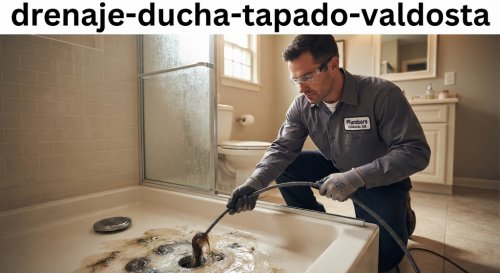
Observe how quickly water empties from sinks, tubs, and showers. Sluggish drainage often indicates hair accumulation, soap scum buildup, or an early-stage branch line restriction. Flush every toilet and listen closely to the flush cycle. A toilet that runs intermittently wastes hundreds of gallons daily without making a loud noise; check the flapper chain and valve seat for wear.
Hidden Plumbing Insights: What Your System Is Telling You
Experienced plumbing system analysts look past the obvious symptom to find root causes. Here are a few diagnostic indicators that homeowners frequently misinterpret:
- Intermittent Sewer Odors: If you notice sewer gas smells near a floor drain or guest bathroom, it often means a P-trap has dried out due to infrequent use—a common issue in seldom-used guest rooms during warm weather when evaporation happens quickly. Simply pouring water down the drain restores the vapor barrier.
- Gurgling Fixtures: When flushing a toilet causes a nearby sink drain to gurgle, it points directly to an inadequate vent stack or a partial blockage in the main drainage line restricting airflow. Air trapped ahead of moving wastewater must escape somewhere, often bubbling up through fixture traps.
- Sudden Water Bill Spikes: If your monthly utility bill climbs without an increase in household occupants, check your water meter dial while all indoor and outdoor fixtures are completely closed. A moving low-flow indicator triangle confirms a hidden leak, such as a silent toilet flapper, a cracked underground supply line, or a leaking slab pipe.
Safe DIY Maintenance vs. Professional Intervention
Knowing your limits protects both your physical safety and your home's infrastructure. Here is how to divide maintenance tasks safely.
Safe Homeowner Tasks
- Cleaning aerators on kitchen and bathroom faucets to restore proper stream velocity.
- Testing washing machine supply hoses for bulging, cracking, or stiffness, and replacing braided lines every five years.
- Pouring clean water into rarely used floor drains and utility sink traps.
- Clearing visible debris from outdoor area drains and gutter downspouts to keep surface water away from the foundation.
When to Call a Qualified Plumber
Never attempt major gas-line adjustments, electrical repairs on tankless or electric water heaters, or main sewer line excavations without professional training and proper equipment. If you experience multiple fixtures backing up simultaneously, raw sewage surfacing in yard cleanouts, or water pooling near the main water shut-off valve, immediate professional diagnosis is required.
Evaluating Maintenance and Repair Costs
When professional maintenance or minor repairs become necessary, understanding what influences labor and material expenses helps you evaluate estimates accurately. Pluming costs are rarely flat-rate because every property configuration differs.
Key variables include:
- Accessibility: Working in a cramped, humid crawl space or excavating beneath a concrete slab requires specialized labor and extra time compared to servicing an open utility room.
- Component Age and Material: Older properties featuring galvanized steel supply pipes or cast-iron drain lines often require specialized cutting, threading, or transition couplings rather than simple PVC or PEX swaps.
- Diagnostic Complexity: Locating a hidden behind-the-wall leak requires electronic acoustic listening equipment or thermal imaging cameras, adding initial diagnostic steps to the total service scope.
Always verify whether an estimate includes post-repair testing, cleanup, and warranty coverage for parts and labor.
Frequently Asked Questions
How often should I have my home plumbing system inspected in Valdosta?
A comprehensive professional plumbing inspection is recommended every two to three years, especially for homes over twenty years old. Annual self-inspections using a home checklist should be performed at the change of each season.
Why does my toilet run periodically for a few seconds without anyone touching it?
This phenomenon, often called ghost flushing, is almost always caused by a deteriorating rubber flapper valve at the bottom of the toilet tank. As the seal degrades, water slowly leaks from the tank into the bowl, forcing Valdosta municipal water to refill the tank automatically.
Can high humidity in crawl spaces damage my home plumbing?
Yes. Excessive moisture promotes rust on metal pipe hangers, accelerates corrosion on copper pipe exteriors, and weakens structural supports, causing pipes to sag. Sagging drain lines lose their proper downward slope, leading to recurring clogs.
What should I do if my water heater starts making rumbling or popping noises?
Rumbling noises indicate heavy sediment accumulation at the base of the tank. When burner heat warms water trapped beneath the mineral layer, it boils and creates steam bubbles that burst upward. Flushing the tank typically resolves the noise unless the tank bottom has already sustained heat damage.
How can I protect my outdoor hose bibs during sudden cold snaps?
While Valdosta winters are generally mild, sudden freezing overnight temperatures can occur. Disconnect garden hoses in late autumn, shut off interior isolation valves if your home is equipped with them, and install insulated foam covers over exterior spigots to prevent freezing supply lines inside exterior walls.
What is the difference between a fixture-level clog and a main sewer line blockage?
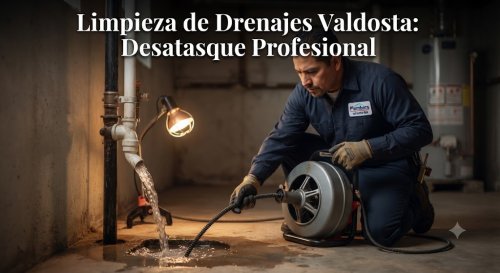
A fixture-level clog affects only one drain, such as a single shower or sink, usually due to hair or grease near the trap. A main sewer line blockage affects multiple plumbing fixtures simultaneously, causing toilets, tubs, and sinks to gurgle or overflow whenever water is used anywhere in the house.