Valdosta GA Plumbing Maintenance Guide: Homeowner Care
Learn essential plumbing maintenance for Valdosta GA homes. Protect pipes, water heaters, and drains from local weather, humidity, and seasonal stress.

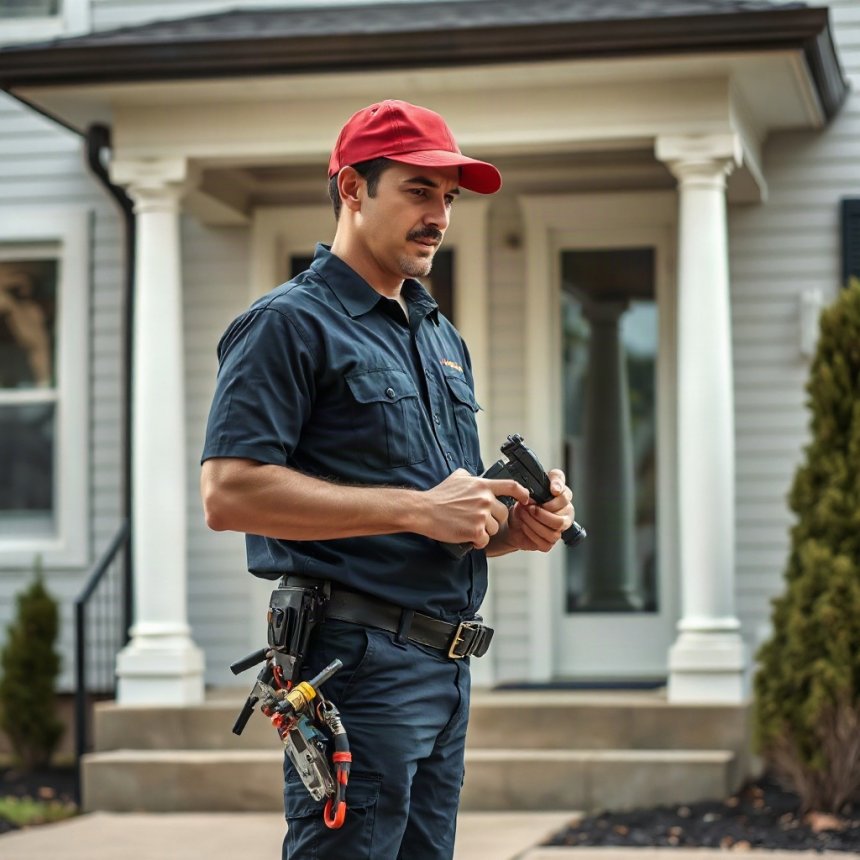
Protecting Your Property with a Smart Plumbing Maintenance Plan
Proper plumbing maintenance is about far more than just waiting for a pipe to burst or a drain to back up. For homeowners, property managers, and landlords in Valdosta, Georgia, understanding how regional environmental conditions interact with residential plumbing systems can prevent premature component failure and costly emergency repairs. Local properties face unique challenges, from intense summer heat and high humidity to heavy seasonal rainfall and mineral-laden water supplies.
A proactive maintenance routine focuses on recognizing early warning signs, reducing unnecessary system strain, and knowing when a minor quirk indicates a developing structural issue. By establishing a consistent schedule of visual checks and simple upkeep tasks, property owners can significantly extend the lifespan of water heaters, supply lines, fixtures, and drainage networks.
How Valdosta's Climate and Environment Affect Plumbing Systems
Environmental factors play a major role in how plumbing components age and perform. Understanding these regional influences helps explain why certain maintenance tasks deserve priority in South Georgia.
- High Humidity and Crawl Spaces: Many local homes are built over crawl spaces rather than full basements or concrete slabs. Persistent atmospheric moisture can accelerate external corrosion on cast iron, galvanized steel, and copper pipes, while also encouraging wood rot and mold growth around plumbing penetrations.
- Intense Summer Demand: Extended periods of warm weather increase household water consumption, putting continuous thermal and hydraulic stress on water heaters and irrigation supply lines.
- Heavy Rain and Storm Activity: Severe thunderstorms can overwhelm municipal stormwater systems or private sewer laterals, leading to rapid changes in drainage velocity and potential backup risks if exterior cleanouts or main lines are compromised by root intrusion.
- Mineral Content: While water hardness varies across the region, localized mineral accumulation can gradually restrict flow inside water heater tanks, aerators, and mixing valves over time.
Seasonal Plumbing Maintenance Checklist
Breaking maintenance into manageable seasonal tasks ensures that critical system components are evaluated before extreme weather conditions arrive.
Spring and Summer Preparation
As temperatures rise and outdoor water use increases, focus your attention on exterior fixtures and high-demand appliances.
- Inspect Outdoor Hose Bibbs: Check exterior faucets for leaks, smooth operation, and proper water shut-off. Ensure anti-siphon vacuum breakers are functioning correctly to prevent backflow into your drinking water supply.
- Test Sump Pumps and Drainage: If your property features a crawl space sump pump or perimeter drainage system, pour a bucket of water into the basin to verify that the float switch activates the pump smoothly and discharges water safely away from the foundation.
- Flush Water Heater Sediment: Heavy warm-weather water usage means your water heater works overtime. Flushing accumulated mineral sediment from the tank bottom improves heating efficiency and prevents bottom-plate overheating.
Fall and Winter Preparation
Although South Georgia winters are generally mild, occasional freezing temperatures can catch homeowners off guard.
- Insulate Exposed Pipes: Check insulation on exterior water supply lines, crawl space pipes, and backflow preventers. Even brief freezing events can split unprotected copper or PEX lines if they are exposed to wind drafts.
- Clean Gutters and Downspouts: Ensure roof runoff flows at least several feet away from your home's foundation. Pooling water near exterior walls can saturate soil, exerting hydrostatic pressure against foundation walls and straining subterranean drainage pipes.
- Clear Main Sewer Line Paths: Fall leaf drop combined with shifting root systems makes this an ideal time to monitor slow-draining fixtures that might indicate early root intrusion in your sewer lateral.
Hidden Plumbing Clues Homeowners Often Miss
Most plumbing failures provide subtle hints weeks or months before a catastrophic break occurs. Training yourself to spot these indicators can save you thousands of dollars in restoration costs.
A sudden, unexplained increase on your monthly water bill is frequently the first sign of a hidden water leak. Unlike an obvious dripping faucet, hidden leaks occur behind walls, beneath concrete slabs, or along underground supply lines running from the meter to the house. Performing a simple meter test—checking the low-flow indicator triangle while all indoor and outdoor fixtures are completely closed—can confirm whether water is continuously escaping your system.
Another overlooked symptom is intermittent gurgling sounds in toilets or floor drains when washing machines discharge. This auditory clue reveals that air is being displaced within the drainage stack due to a partial vent blockage or a developing obstruction in the main sewer line. Ignoring a gurgling drain often leads to a complete sewage backup during heavy household usage.
Safe Homeowner Upkeep Versus Professional Service
Knowing your limits as a property owner is vital for personal safety and protecting your plumbing infrastructure. While routine maintenance keeps systems running smoothly, certain tasks require specialized licensing, heavy equipment, and precise technical training.
| Safe Homeowner Maintenance | Tasks Requiring a Qualified Plumber |
|---|---|
| Cleaning aerators and showerhead sediment screens | Main sewer line rodding, hydro-jetting, or camera inspection |
| Testing water heater temperature-pressure relief valves | Replacing gas control valves or electric heating elements |
| Insulating exposed crawl space and outdoor pipes | Locating and repairing hidden slab leaks or underground water lines |
| Pouring water into floor drain traps to prevent sewer odors | Installing or modifying main water supply shut-off valves |
| Monitoring water meters for unexplained usage spikes | Trenchless pipe repair, relining, or complete repiping projects |
Understanding Cost Factors in Plumbing Repairs
When preventive maintenance reveals an underlying issue that requires professional intervention, repair costs can vary widely depending on specific site conditions. Understanding what drives these costs helps property owners evaluate estimates realistically.
Labor complexity and accessibility represent major variables. A plumbing repair located in an easily accessible utility room or open crawl space requires far less time and labor than a repair situated beneath a concrete slab foundation or crammed inside a finished wall cavity. Trenching, excavation, drywall cutting, and subsequent property restoration often constitute a significant portion of a major plumbing project's total price tag.
Additionally, the age and material of your existing plumbing infrastructure influence repair scopes. Connecting modern PEX or copper piping to older, corroded galvanized steel or brittle cast iron requires specialized transition fittings and extra care to prevent collateral damage to adjacent sections of the system. Diagnostic fees also apply when advanced equipment—such as electronic leak detectors or high-resolution sewer cameras—is required to pinpoint complex failures accurately.
Frequently Asked Questions
Frequently Asked Questions
How often should I have my home plumbing system inspected?
For most residential properties, a comprehensive professional inspection every two to three years is sufficient. However, homes older than thirty years, properties with a history of tree root intrusion, or rental properties with high tenant turnover benefit greatly from an annual plumbing and water heater checkup.
Why does my water heater make a popping or rumbling noise?
That noise is typically caused by trapped water boiling beneath a layer of accumulated mineral sediment at the bottom of the tank. Flushing the water heater tank annually helps remove this sediment, restoring quiet operation and improving energy efficiency.
What should I do if my outdoor hose bibb freezes during a cold snap?
If an exterior faucet freezes, shut off the indoor isolation valve leading to that line immediately if one exists. Open the outdoor spigot to relieve internal pressure as the ice thaws. Never use an open flame to thaw frozen pipes, as this can easily crack the pipe or ignite surrounding structural materials.
How can I tell if my toilet is running constantly and wasting water?
Add a few drops of dark food coloring to the toilet tank water and wait ten to fifteen minutes without flushing. If colored water seeps into the bowl, your flapper valve is failing and needs replacement. A silent flapper leak can waste hundreds of gallons of water daily. ### Are chemical drain cleaners safe for routine maintenance?
Harsh chemical drain openers are generally discouraged for routine maintenance. These caustic products generate intense heat that can warp PVC pipes, damage rubber gaskets, and degrade older metal plumbing while frequently failing to clear stubborn grease, hair, or root obstructions completely.
What causes unpleasant sewer odors to drift up from my bathroom floor drains?
Floor drains rely on a curved pipe section called a trap that holds a small amount of water to block sewer gases from entering living spaces. In rarely used rooms or during dry, hot weather, this water seal can evaporate. Pouring a quart of water down the drain usually resolves the odor instantly.