Valdosta GA Plumbing Maintenance Guide for Homeowners
Learn essential plumbing maintenance for Valdosta, GA homes. Discover practical checks for Georgia weather, crawl spaces, water heaters, and drain systems.


Keeping Your Valdosta Property Protected Through Every Season
Plumbing maintenance is rarely a single annual event. Instead, it is a consistent routine of observing how your home's water supply, drainage, and fixtures behave over time. In South Georgia, local environmental factors—such as prolonged high humidity, intense summer heat, sudden heavy rainstorms, and expansive regional soils—place unique demands on residential plumbing systems. Whether your property sits on a raised crawl space or a concrete slab, understanding how these conditions affect your pipes, water heater, and drains helps prevent minor issues from turning into major repairs.
This maintenance guide breaks down practical, high-value steps Valdosta homeowners, landlords, and property managers can take to protect their plumbing infrastructure. By focusing on observable warning signs and proactive care, you can catch failing components early, extend the lifespan of your plumbing appliances, and maintain reliable water flow throughout your property.
The Regional Impact on Valdosta Plumbing Systems
Every region presents distinct challenges to residential piping and drainage networks. South Georgia's environment introduces specific variables that directly influence how plumbing systems age and perform.
High relative humidity and warm temperatures create an environment where condensation easily forms on uninsulated cold-water supply lines, toilet tanks, and exposed pipes inside dark crawl spaces. While condensation is not a structural leak, persistent moisture can encourage mold growth, rust metal components, and rot wooden structural framing beneath floors. Furthermore, the region's intense summer storm seasons drop massive volumes of rainwater in short periods. If property grading or exterior drainage systems cannot keep up, excess surface water can saturate the ground around underground sewer laterals, exerting pressure on pipe joints or entering compromised cleanout caps.
Properties in the area feature a mix of foundation types, primarily crawl spaces and slab-on-grade foundations. Crawl spaces offer accessibility for inspecting supply and waste lines, but they also expose pipes to humidity and temperature fluctuations. Slab foundations, by contrast, place water supply lines beneath concrete where movement or shifting soil can strain copper or PEX lines over many years.
Essential Homeowner Maintenance Checklist
Proactive upkeep requires looking beyond visible faucets and checking the hidden components of your plumbing network. Performing these checks seasonally can save you from unexpected failures.
1. Water Heater Inspection and Sediment Flushing
Your water heater operates continuously to maintain hot water demand. Over time, mineral sediment settles at the bottom of the tank. In a gas or electric tank unit, this sediment acts as a thermal barrier between the burner or lower element and the water, forcing the system to work harder and increasing energy consumption.
- Visual Check: Inspect the tank exterior for signs of rusting, mineral crust around fittings, or moisture pooling at the base.
- Temperature and Pressure Relief (TPR) Valve Test: Carefully lift the test lever on the TPR valve to verify that it releases water and snaps back closed. If it continues to drip, the valve requires replacement.
- Sediment Flushing: Connect a garden hose to the drain valve, direct it to a safe discharge point, and flush several gallons until the water runs clear. Note that if an older tank has never been flushed, disturbing heavy sediment can sometimes prevent the drain valve from sealing completely.
2. Crawl Space and Exposed Pipe Assessment
If your property features a crawl space, periodic inspection is vital. Enter safely or use a flashlight to check conditions from access points.
- Pipe Insulation: Verify that foam insulation sleeves on cold and hot water lines remain intact, preventing condensation dripping and winter freeze risks during rare sub-freezing cold snaps.
- Hanger Support: Ensure drain pipes maintain proper downward slope toward the main sewer exit. Sagging waste pipes collect standing water and lead to frequent clogs.
- Musty Odors: A persistent earthy or sewage smell inside a crawl space often points to a cracked vent pipe, a loose cleanout plug, or an undiscovered slow waste line leak.
3. Evaluating Drains and Vent Function
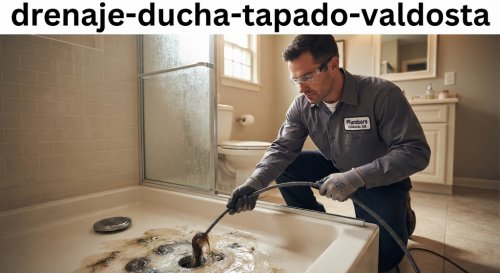
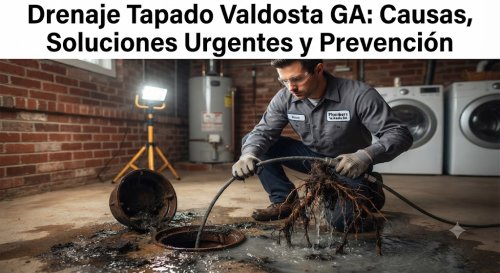
Drain performance tells a story about the health of your entire waste system. Slow-draining sinks or showers are rarely isolated annoyances; they are early warnings of restricted internal pipe diameters.
- Listen to Fixtures: When a toilet flushes, does a nearby bathtub drain gurgle? Gurgling indicates air being pulled through a trap because the plumbing vent stack on the roof is partially blocked by leaves, debris, or animal nests.
- Test Flow Rate: Fill a basin completely and pull the plug. Watch the vortex. A sluggish spin or delayed final gurgle suggests grease, soap scum, or hair buildup along the interior walls of the branch line.
4. Outdoor Faucet and Irrigation Backflow Prevention
Outdoor hose bibs are exposed to weather extremes. Before warm weather arrives, test each outdoor spigot by attaching a hose and turning it on while placing a thumb over the opening to check backpressure. If water leaks backward around the packing nut, the internal washer or stem packing requires tightening or replacement.
Understanding Plumbing Red Flags
Maintenance is designed to prevent failures, but recognizing urgent warning signs ensures you act before structural damage occurs. Watch for these diagnostic clues:
- Unexplained Water Meter Movement: With all indoor and outdoor faucets turned off, check your water meter dial. If the small leak indicator triangle is spinning, water is escaping somewhere in your system.
- Sudden Drop in Water Pressure: If pressure drops at a single fixture, clean the aerator screen. If pressure drops across the entire house simultaneously, inspect the main shut-off valve or look for a supply-line break in the yard.
- Stained Drywall or Baseboards: Water stains that expand during dry weather often indicate a slow pressurized supply leak inside a wall cavity rather than a weather-related roof leak.
Cost Factors in Plumbing Maintenance and Repairs
While routine maintenance is primarily a matter of time and basic tools, professional repairs involve variables that affect overall investment. Understanding these factors helps you evaluate plumbing estimates accurately:
- Accessibility of the Problem: Working on pipes exposed in an open crawl space takes less labor than accessing a leaking joint beneath a concrete slab or inside a finished wall.
- Material and Age: Older homes featuring galvanized steel or aging polybutylene pipes often require specialized fittings or complete section replacement rather than a simple patch.
- Diagnostic Complexity: Locating a hidden leak behind walls or under floors requires specialized electronic acoustic equipment or thermal imaging cameras, adding diagnostic time before physical repair begins.
- Emergency Timing: Addressing a minor drip during standard business hours differs significantly from mobilizing emergency technicians during severe storm events or weekend plumbing failures.
Frequently Asked Questions
How often should I have my water heater flushed in Valdosta?
Water heaters should be flushed at least once a year. If your home experiences heavier water usage or if you notice rumbling noises coming from the tank during heating cycles, semi-annual flushing may be necessary to remove mineral buildup.
Why does my toilet periodically run for a few seconds without anyone using it?
This symptom, commonly called 'phantom flushing', happens when water slowly leaks from the tank into the bowl through a degraded flapper valve. Once the water level in the tank drops below a certain threshold, the fill valve automatically turns on to replenish it, wasting water continuously.
What causes persistent dampness in a crawl space after heavy rain?
Dampness can result from several factors, including surface water runoff pooling against the foundation, groundwater rising into the crawl space soil, or an undiscovered plumbing leak from a waste or supply pipe running underneath the flooring structure.
Can I use chemical drain cleaners for routine maintenance?
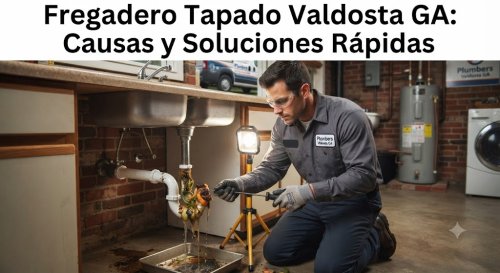
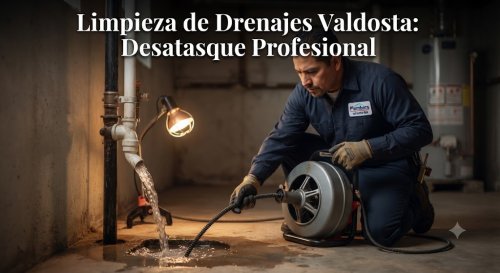
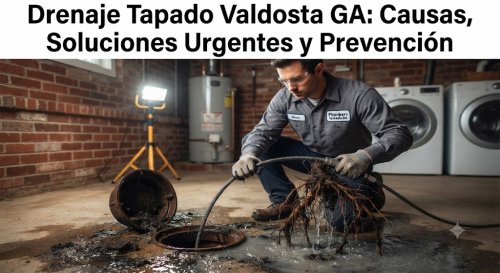
Chemical drain cleaners are generally not recommended for routine maintenance. Liquid chemicals generate heat that can warp PVC pipes and corrode metal older plumbing lines. Mechanical clearing, such as professional snaking or hydro-jetting, safely removes blockages without chemical damage.
How can I tell if my main water line is leaking underground?
Key indicators include unexplained soggy patches in your yard during dry weather, patches of unusually lush green grass over the pipe path, a sudden spike in your monthly water bill, or hearing the sound of running water near the main indoor shut-off valve when all fixtures are closed.
What is the purpose of plumbing vent pipes on the roof?
Vent pipes allow sewer gases to escape safely above the roofline while introducing outside air into the drainage system. This air balance allows wastewater to flow smoothly down the pipes without creating a vacuum that could pull water out of sink and toilet traps.