Valdosta Residential Plumbing Guide: Systems & Maintenance
Explore a comprehensive residential plumbing guide for Valdosta, GA homeowners covering system diagnostics, common failures, maintenance, and repair options.

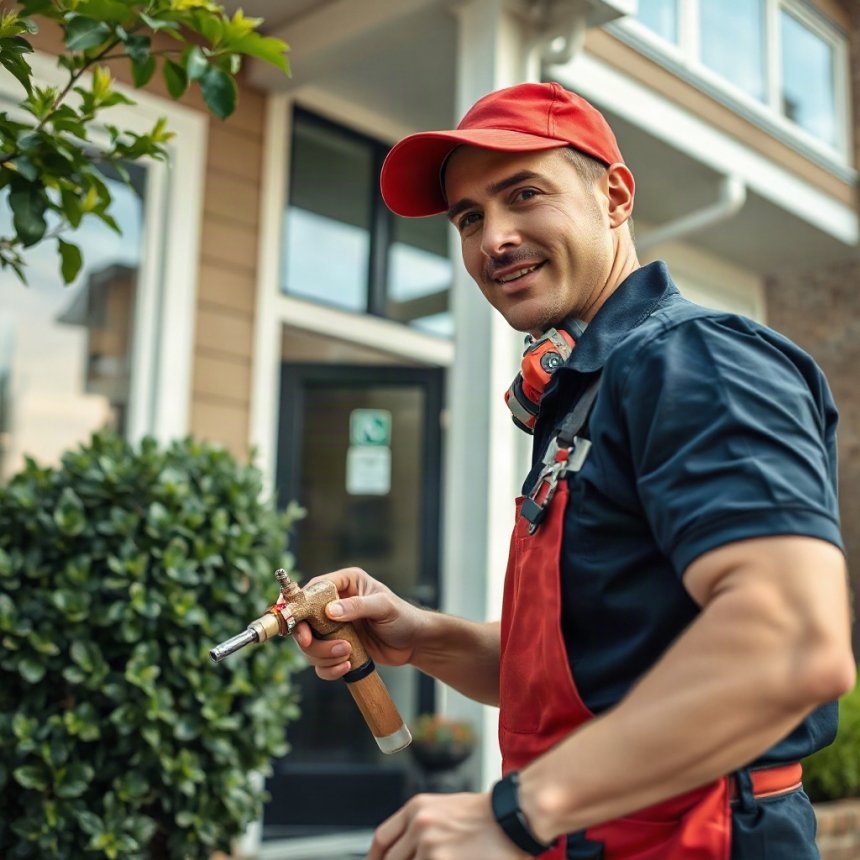
Navigating Residential Plumbing Systems in Valdosta
Managing a residential plumbing system in Valdosta, Georgia, requires an understanding of how local environmental conditions, building styles, and water usage interact with your home's pipes, drains, and fixtures. Whether you live in an established neighborhood with mature trees or a newer construction property, your plumbing infrastructure faces specific regional pressures. High humidity, heavy seasonal rainfall, intense summer heat, and fluctuating soil conditions can all influence how your plumbing performs over time.
This guide is designed to help Valdosta homeowners, landlords, and property managers understand their residential plumbing systems from a practical standpoint. Rather than focusing on quick temporary fixes, we will explore how plumbing components operate, what warning signs demand attention, which maintenance tasks are safe to perform yourself, and when professional diagnosis becomes essential to protect your property from costly damage.
Understanding Local Environmental Factors on Valdosta Plumbing
Every region presents unique environmental challenges to residential plumbing, and Valdosta is no exception. Local weather and soil characteristics play a surprisingly direct role in everyday plumbing reliability.
During long stretches of warm weather, soil moisture levels can drop significantly, causing the clay-heavy soils common to parts of South Georgia to shrink and shift. This movement can place stress on underground supply lines and sewer laterals, occasionally leading to joint separation or minor pipe cracking. Conversely, heavy downpours associated with summer storms and tropical weather systems can overwhelm municipal storm drains and saturate the ground rapidly. If your property's exterior drainage slopes toward your foundation or if your sewer cleanouts are unsealed, surface water can infiltrate your drainage system, resulting in slow-running drains or unexpected backups.
Additionally, the crawl space design common to many Valdosta homes creates a distinct microclimate. High humidity beneath the living space can lead to rapid condensation on cold-water supply pipes. While condensation is often mistaken for an active pipe leak, it can accelerate exterior corrosion on older metal pipes and create ideal conditions for wood rot and mold if subfloor ventilation is restricted.
Core Components of a Residential Plumbing Network
A residential plumbing system is divided into three primary networks: supply, drainage, and venting. Understanding how these systems interact makes troubleshooting much more logical when something goes wrong.
The Supply System
The supply network brings pressurized municipal water into your home. It handles everything from your kitchen faucet and washing machine to your water heater and bathroom showers. Supply pipes operate under constant pressure, which means any breach in the line results in an active, continuous leak rather than a slow drip.
Hidden supply leaks often show up unexpectedly. A sudden spike in your water bill without a change in usage habits is frequently the first indicator of a slow leak beneath a slab foundation, behind a wall, or underground between the meter and the home. Unlike drain leaks, which usually appear only when a fixture is running, supply leaks can run 24 hours a day.
The Drainage and Sewer System
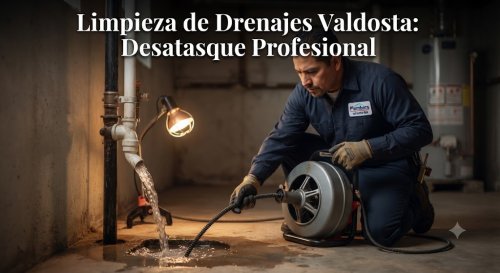
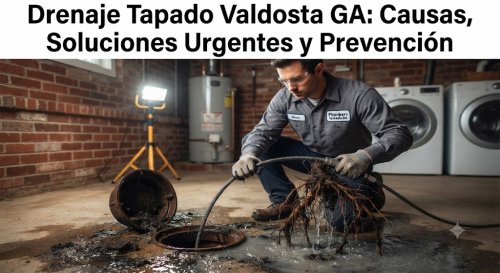
Unlike supply lines, your home's drainage network relies on gravity to move wastewater out of the house. Drains depend on a precise downward slope and proper venting to maintain flow. When a drain clogs, the blockage rarely happens instantly. It usually builds up over time as grease, hair, soap scum, or mineral scale narrows the interior diameter of the pipe.
A critical diagnostic rule in plumbing is observing the scope of the problem. If a single sink drains slowly, the issue is almost always localized to that fixture's trap or immediate branch line. However, if multiple plumbing fixtures on the same floor begin gurgling, draining slowly, or backing up simultaneously—such as a toilet bubbling when the shower drains—the restriction is likely located further downstream in the main building drain or the main sewer lateral.
The Venting System
Often overlooked by homeowners, the vent stack system is a network of pipes running up through your roof that allows air to enter the plumbing system. Vents equalize air pressure behind moving wastewater. Without proper venting, water rushing down a drain creates a vacuum that can siphon water out of nearby P-traps, allowing sewer gases to enter living spaces and causing sluggish, noisy drainage.
Safe Homeowner Inspections and Maintenance
Regular visual inspections can help you catch minor plumbing irregularities before they escalate into major failures. Homeowners can safely perform several routine checks without special tools.
- Check Under Sinks: Periodically inspect the cabinet beneath bathroom and kitchen sinks for dampness, water stains, or mineral crust around threaded connections and shut-off valves.
- Inspect Supply Hoses: Examine the braided metal or rubber hoses connected to your washing machine, dishwasher, and toilets. Look for bulging, cracking, or stiffness, and replace flexible supply lines every five to seven years as preventative maintenance.
- Test Shut-Off Valves: Turn your main water shut-off valve and individual fixture valves a quarter-turn twice a year to prevent them from seizing up in the open position. In an emergency, being able to shut off the water quickly is critical.
- Monitor Exterior Hose Bibs: Check outdoor faucets for dripping or loose mounting hardware, and ensure they are protected if unexpected freezing temperatures occur during winter months.
- Observe Drainage Speed: Pay attention to how quickly water clears from showers and sinks. Slow drainage is the earliest warning sign of an impending clog.
When DIY Troubleshooting Falls Short
While plunging a minor sink clog or clearing a toilet with a flange plunger is well within standard homeowner capabilities, many plumbing problems require specialized diagnostic equipment and professional training.
Using chemical drain cleaners to resolve persistent clogs is a common mistake that often makes the underlying problem worse. Chemical cleaners rely on harsh acids or lye to break down organic matter. If the chemical fails to clear a stubborn obstruction, it sits in the pipe, creating a safety hazard for anyone attempting to mechanically snake or repair the line later. Furthermore, chemical heat reactions can warp plastic PVC piping or damage older metallic pipe walls.
Similarly, attempting to repair corroded threaded joints behind walls or modifying pressurized supply lines without proper pipe-joining tools can lead to sudden pipe failure. If a repair requires cutting into a main supply line or excavating a sewer lateral, professional intervention is necessary to ensure compliance with local building standards and to prevent structural property damage.
Repair Scope and Cost Variables
When professional plumbing repairs are necessary, understanding what drives project scope and pricing helps homeowners evaluate estimates effectively. Plumbing costs are rarely uniform because every home's layout, material age, and accessibility differ.
Key factors that influence repair complexity and cost include:
- Accessibility: A plumbing repair located in an open, dry crawl space is significantly faster to access than a repair beneath a concrete slab foundation or behind finished drywall and tilework. Exploratory cutting and subsequent restoration add labor time.
- Pipe Material and Age: Working with modern PEX or PVC piping differs vastly from repairing older galvanized steel or cast-iron pipes. Older materials often require cutting back to stable sections and adapting fittings, which extends project scope.
- Diagnostic Requirements: Pinpointing a hidden leak or determining the structural condition of an underground sewer line often requires specialized tools, such as electronic leak detectors or waterproof sewer inspection cameras. Diagnostic thoroughness prevents unnecessary exploratory damage.
- Emergency Timing: Plumbing failures rarely happen on a convenient schedule. After-hours or weekend emergency service involves mobilizing technicians and resources outside normal operating hours, which affects labor structuring.
A reliable professional estimate should clearly separate diagnostic fees, labor time, specific materials required, and any necessary restoration work so you understand the exact scope of the proposed solution.
Frequently Asked Questions
How often should I have my home's plumbing inspected?
An annual professional plumbing inspection is recommended, especially for homes over twenty years old. Routine checks help identify hidden corrosion, worn supply hoses, and early-stage drainage restrictions before they cause property damage.
Why does my toilet gurgle when the bathtub drains?
A gurgling toilet when another fixture drains usually indicates a venting issue or a partial blockage in the main drain line. As wastewater moves down, it pulls air through the toilet trap, creating the gurgling sound and pointing toward a localized drainage restriction.
What causes a sudden increase in my water bill without extra usage?
A sudden bill increase almost always points to a continuous leak. Common culprits include a silent toilet flapper leak, a running pressure-relief valve on a water heater, or a hidden underground supply line leak between the meter and the home.
Is it safe to use liquid drain cleaners for recurring slow drains?
Liquid chemical drain cleaners are generally not recommended for recurring clogs. They only eat a small hole through the center of a blockage, leaving the rest of the buildup intact, and they can damage pipe walls and fixtures over time.
How can I locate my home's main water shut-off valve?
The main water shut-off valve is typically located near the perimeter wall where the main supply line enters the house, often in a utility room, garage, or crawl-space access area. In some properties, an exterior master valve is housed in an underground meter box near the street.
What should I do immediately if a pipe bursts inside my home?
Your first action should be to shut off the main water supply valve immediately to stop the flow of water. Next, turn off the electricity to the affected area if it is safe to reach the breaker panel, move valuable items away from the water, and contact a qualified plumber for emergency repair.