Burst Pipe Emergency in Valdosta, GA: Immediate Steps & Repairs
Learn what to do when a pipe bursts in your Valdosta, GA home. Discover immediate damage-control steps, diagnostic insights, and repair options.

Immediate Action Steps for a Burst Pipe
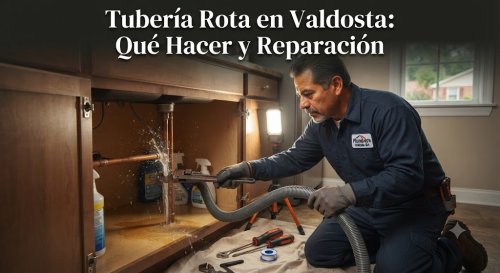
When a pipe bursts inside a residential or commercial property, water can flood structural cavities, damage flooring, and saturate drywall within minutes. In Valdosta, GA, where seasonal changes and sudden temperature shifts can stress vulnerable plumbing materials, knowing how to react instantly can mean the difference between a minor repair and thousands of dollars in restoration costs.
The very first step when facing a catastrophic plumbing failure is shutting off the water supply. Every property owner should know the location of their main water shutoff valve. In many local properties, this valve is located near the front exterior wall, inside a utility closet, or housed in an underground meter box near the street. Turning this valve clockwise completely halts water flow into the property, instantly stopping the active breach.
Once the water is off, address electrical safety. Water and electricity create a severe hazard. If water is spraying or pooling near electrical outlets, breaker panels, or major appliances, do not wade through standing water to reach switches. If it is safe to access your electrical panel without stepping in water, shut off the breakers supplying power to the affected room or area. Next, open lower-level faucets to drain remaining water from the lines, reducing pressure and minimizing residual leakage.
Understanding Why Pipes Burst
Pipes rarely rupture without an underlying cause. While freezing temperatures are a primary culprit in many regions, Valdosta properties face distinct environmental and mechanical pressures. Sudden cold snaps during Georgia winters can catch outdoor hose bibs, uninsulated crawl-space lines, and exterior wall plumbing off guard. When trapped water freezes, it expands with immense force, fracturing copper, PVC, PEX, or galvanized steel.
Beyond temperature fluctuations, several other factors contribute to sudden pipe failures:
- Age and Corrosion: Older galvanized steel or cast-iron pipes gradually thin from internal mineral scaling and rust until the remaining wall can no longer withstand normal operating pressure.
- Excessive Water Pressure: Municipal water supply pressure that exceeds safe limits places continuous stress on pipe joints, fittings, and older soldered connections.
- Soil Movement: Shifting clay-heavy soils beneath foundations or around underground service lines can put shear stress on rigid pipe materials, causing them to crack or separate.
- Chemical Damage: The overuse of harsh liquid drain cleaners can degrade metallic pipe walls over time, particularly in older drainage and waste systems.
Diagnostic Clues and Hidden Leak Locations
A burst pipe is not always immediately visible. While a major rupture behind a drywall partition will quickly reveal itself through spraying water, bulging paint, or ceiling collapse, minor splits or pinhole leaks often manifest through subtle clues. Recognizing these indicators helps homeowners locate hidden issues before structural rot or mold takes hold.
Hidden water often travels far from its actual source due to gravity and framing layouts. Water leaking from a ceiling pipe may run along joists and drip through a light fixture ten feet away from the true break. A sudden, unexplained spike on your municipal utility bill often serves as the first reliable diagnostic indicator that a pressurized line has failed somewhere inside or beneath the property.
If you notice a warm spot on a concrete slab floor, a musty odor emanating from a crawl space, or the sound of running water when all fixtures are closed, these observations point toward a hidden supply-line breach. Pinpointing the exact failure point often requires specialized diagnostic equipment, such as acoustic listening devices, thermal imaging cameras, or electronic line tracing.
Safe Homeowner Inspections Versus Professional Repairs
Homeowners can safely perform several initial assessments to evaluate the scope of the damage:
- Visually inspect exposed piping in utility rooms, basements, or accessible crawl spaces for active spraying, pooling, or moisture accumulation.
- Check water meter dials to verify whether water is actively moving while all indoor fixtures are completely shut off.
- Examine surrounding drywall, baseboards, and flooring materials for dampness, warping, or discoloration.
However, certain tasks must be left to qualified plumbing professionals. Attempting to patch a high-pressure supply line with temporary tape, bicycle inner tubes, or improper compression fittings will inevitably fail under normal operating pressure. Furthermore, accessing pipes buried beneath concrete slabs, embedded inside structural load-bearing walls, or located near main electrical supplies requires professional tools, structural awareness, and strict adherence to local plumbing codes.
Repair Options and Scope of Work
When a professional assesses a burst pipe, the chosen repair method depends on the pipe material, the extent of the damage, and the accessibility of the affected section. Standard repair strategies include:
Sectional Pipe Replacement: If a localized section of pipe has split due to freezing or corrosion, the technician will cut out the damaged segment and splice in a new section of matching material using secure couplings or soldered joints.
Repiping Vulnerable Runs: When an older plumbing system exhibits widespread degradation, pinhole leaks, or frequent joint failures, localized repairs offer diminishing returns. In these instances, replacing entire branch lines or performing a whole-house repipe using modern PEX or copper tubing provides a permanent solution.
Trenchless or Excavation Repairs for Underground Lines: If a main water supply line bursts underground between the municipal meter and the home, repair may involve targeted excavation or trenchless pipe-lining techniques that minimize disruption to landscaping.
Cost Factors in Burst Pipe Repairs
Plumbing repair costs vary significantly based on the specific circumstances of the job. Understanding what drives these costs helps property owners evaluate professional estimates realistically. Key variables include:
- Accessibility: A burst pipe located in an open, dry crawl space requires far less labor to access than a pipe encased beneath a concrete slab or hidden behind tiled bathroom walls.
- Material and Pipe Size: Larger-diameter main lines or specialized commercial piping materials carry higher material costs than standard residential copper or PEX supply lines.
- Emergency Timing: After-hours, weekend, or holiday emergency responses involve immediate mobilization, which impacts labor rates compared to scheduled daytime service.
- Restoration Scope: The plumbing repair itself only addresses the pipe; additional costs may involve drywall cutting, flooring removal, structural drying, and professional remediation of water damage.
A reputable professional estimate should clearly separate diagnostic fees, labor time, replacement materials, and any necessary excavation or restoration work.
Frequently Asked Questions
How can I prevent my pipes from bursting during a sudden winter freeze in Valdosta?
Insulate exposed pipes located in unheated areas such as exterior walls, crawl spaces, and attics using foam pipe sleeves. During severe freezing weather, let interior faucets drip slightly to keep water moving through the system, and open cabinet doors beneath sinks to allow warm indoor air to circulate around plumbing lines.
What should I do if I cannot find my main water shutoff valve?
If your indoor shutoff valve is rusted, stuck, or missing, locate the municipal water meter box near your property line. Most utility meters feature a master control valve. While utility regulations govern the meter itself, homeowners can typically use a specialized meter key to shut off water at this point in a severe emergency.
Does homeowner insurance cover the cost of a burst pipe?
Many standard homeowner insurance policies cover sudden and accidental water damage caused by a burst pipe, including the cost of tearing out and replacing drywall or flooring to access the leak. However, policies frequently exclude damage resulting from long-term neglect, lack of maintenance, or freezing when reasonable preventative steps were ignored. Always consult your specific insurance provider for policy details.
How long does a typical burst pipe repair take?
A straightforward repair on an accessible supply line in a utility room or crawl space can often be completed within one to two hours. Conversely, repairs involving concrete slab penetration, wall reconstruction, or extensive main water line replacement may take a full day or require multiple phases.
Is it safe to turn my water back on after a temporary pipe patch?
Temporary patches using tape or epoxy compounds are designed solely to stem water flow until a professional arrives. You should not rely on temporary patches for normal daily water use, as high municipal pressure can blow out the patch without warning, causing secondary flooding.
How can I tell if a damp spot on my wall is a plumbing leak or roof damage?
Plumbing leaks typically produce moisture that appears consistently regardless of weather conditions, whereas roof leaks usually worsen significantly during and immediately following heavy rainfall. Thermal imaging and moisture meters can help trace the moisture path back to its exact origin.