What to Do When a Pipe Bursts: Valdosta GA Emergency Guide
Discover immediate steps to take when a pipe bursts in your Valdosta home. Learn how to minimize damage, shut off water safely, and what repairs involve.

Immediate Actions When a Pipe Bursts
Finding a sudden gush or steady stream of water inside your home is one of the most stressful situations a property owner can face. When a pipe fails catastrophically, every second counts to minimize structural damage, ruined flooring, and potential mold growth. Knowing exactly how to respond before calling an emergency plumber in Valdosta GA can prevent a manageable plumbing failure from turning into a major property disaster.
Your very first priority when a pipe bursts is stopping the flow of water. Do not waste time trying to collect water with buckets or towels until the supply is shut off. Locate your main water shut-off valve immediately.
- Main Shut-Off Valve Location: In many residential properties throughout South Georgia, the main shut-off valve is located near the front perimeter wall of the house, often inside a utility closet, garage, or crawl space. For properties built on a slab foundation, it may be housed in an outdoor utility box near the street or property line alongside the water meter.
- How to Close It: Gate valves require turning the wheel clockwise multiple times until it stops. Ball valves, which feature a lever handle, are shut off when the lever is turned perpendicular to the direction of the pipe.
Once the main supply is closed, turn on the lowest faucets in the house to drain remaining water from the lines, reducing pressure and minimizing residual leakage. If the burst pipe is located near electrical outlets, appliances, or your electrical panel, shut off the power to that area at your main breaker box immediately to prevent shock hazards.
Understanding Why Pipes Burst in Valdosta Properties
Many homeowners assume pipes only burst during severe freezes. While South Georgia does experience occasional winter freezes that catch vulnerable outdoor lines or uninsulated crawl spaces off guard, structural pipe failures happen year-round due to several distinct mechanical and environmental factors.
Understanding the root cause helps determine whether you are dealing with a localized fitting failure or a systemic plumbing issue. Common contributing factors include:
- Thermal Stress and Expansion: Valdosta's intense summer heat and humidity cause constant expansion and contraction cycles in exterior or unconditioned attic and crawl-space plumbing lines, gradually weakening joints and older materials.
- Corrosion and Age: Older homes featuring galvanized steel or aging polybutylene pipes experience internal mineral buildup and wall thinning over decades. Even copper pipes can develop pinhole leaks or split seams due to aggressive water chemistry or external chemical exposure.
- Excessive Water Pressure: Municipal water supply pressure that runs too high puts chronic stress on pipe walls, joints, and elbows. If pressure regulators fail, a sudden pressure spike can rupture a compromised section of pipe.
- Shifting Foundations: Soil movement around slab foundations or settling crawl spaces can exert physical shear stress on rigid supply lines passing through concrete or framing, eventually causing them to snap or fracture.
Hidden Diagnostic Clues Before and After a Burst
A burst pipe rarely happens without leaving warning signs, though those clues are often overlooked until catastrophic failure occurs. Recognizing these indicators can help you spot secondary vulnerabilities in your plumbing system.
Consider what various symptoms reveal:
- The visible water is not always the source: Water travels along the path of least resistance. A wet patch on a ceiling or drywall often sits several feet away from the actual pipe rupture, traveling along framing members or subflooring before pooling.
- Sudden pressure drops: If you notice an abrupt drop in water pressure at a specific fixture right before hearing rushing water behind a wall, a major supply line has likely torn open.
- Audible hissing or rushing: Water escaping under pressure makes a distinct sound even when hidden. If all fixtures are turned off but your water meter dial is spinning rapidly, water is escaping through an uncontained break.
- Unexplained dampness: Musty odors or warped flooring in a crawl space or hallway can indicate a slow, weeping pipe that eventually eroded enough to burst completely.
Safe Homeowner Checks vs. Professional Intervention
While a burst pipe requires professional repair, homeowners can take specific safe steps to assess the situation and prepare for the technician's arrival.
Safe Homeowner Actions:
- Safely shut off the main water supply and local electrical circuits if necessary.
- Clear furniture, rugs, and personal items away from standing water to prevent permanent damage.
- Take photographs and video footage of the damage and the failed pipe section for insurance documentation.
- Document when the leak was discovered and which fixtures were affected.
What NOT to Do:
- Do not attempt temporary fixes like wrapping duct tape, rubber bands, or patch kits around a high-pressure burst supply line. These methods cannot hold back municipal water pressure and will quickly fail, causing worse flooding.
- Do not touch exposed electrical wiring or appliances sitting in standing water.
- Do not try to cut into drywall or structural framing yourself unless you know exact utility and framing layouts.
Repair Options and Scope of Work
When a professional arrives to address a burst pipe, the appropriate repair depends entirely on the material, age, location, and condition of the surrounding plumbing infrastructure.
Temporary patching is virtually never a permanent solution for a pressure-bearing supply pipe. Standard professional repairs generally involve cutting out the damaged segment of pipe and installing a secure replacement section using code-compliant materials and fittings.
Depending on where the failure occurred, the repair scope may involve:
- Spot Repair: If a single section of copper or PEX pipe split due to a localized defect or freezing, the technician cuts out the compromised section and installs a new coupling and pipe segment.
- Partial Repiping: If inspection reveals extensive corrosion, pitting, or brittle material throughout a branch line, replacing only the immediate break may lead to a secondary failure nearby. In these cases, replacing the entire vulnerable run is often recommended.
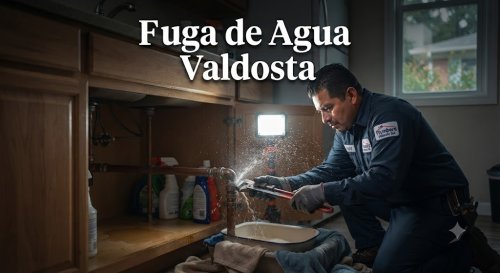
- Access Creation: Repairing a burst pipe hidden behind drywall, beneath a sink vanity, or inside a crawl space requires gaining physical access. Technicians must carefully open walls or flooring, perform the plumbing repair, and leave the area stable for restoration contractors.
Factors Affecting Repair Costs and Complexity
Because every plumbing failure is unique, emergency plumbing estimates vary based on several clear physical and logistical variables. Understanding these factors helps clarify why two different pipe repair jobs carry different scopes.
- Accessibility: A burst pipe exposed in an open crawl space or utility room takes significantly less labor to access than a line buried beneath a concrete slab or encased behind tiled walls and cabinetry.
- Pipe Material and Sizing: Working with older galvanized steel or specialized piping requires different tools, fittings, and transition couplings than standard modern PEX or copper tubing.
- Time of Service: Emergency repairs dispatched during late nights, weekends, or holidays involve specialized scheduling and dispatching factors.
- Extent of Collateral Damage: The plumbing repair itself is often only part of the job. Extracted water, saturated insulation, ruined drywall, and warped subflooring dictate the overall recovery effort required.
- Water Pressure Evaluation: If a pressure surge caused the pipe to burst, installing or replacing a faulty Pressure Reducing Valve (PRV) may be necessary to prevent repeat failures.
Frequently Asked Questions
How do I know if a pipe burst behind my wall?
Common signs include a sudden spike in your water bill, the sound of running water when all fixtures are off, warm spots on drywall or flooring, peeling paint, bubbling wallpaper, or musty mildew odors coming from a specific wall cavity.
Should I turn off my water heater when a pipe bursts?
If the burst occurs on the hot water line or if you must shut off the main water supply to the entire house, it is wise to turn off your water heater (shutting off the gas valve or electrical breaker) to prevent the heating elements from running dry and burning out.
Can a burst pipe fix itself if it freezes and thaws?
No. While ice expands and splits a pipe, the metal or plastic wall remains structurally compromised. When the ice thaws, water will immediately escape through the fracture. A thawed pipe always requires professional repair or replacement.
How long does a burst pipe repair take?
A straightforward repair on an accessible pipe in a crawl space or utility room typically takes between one to three hours. However, if the pipe is located inside a wall, beneath a slab, or requires extensive repiping, the timeframe will increase based on access requirements.
Will my homeowners insurance cover a burst pipe?
Many standard homeowners insurance policies cover sudden and accidental water damage caused by a burst pipe, as well as the reasonable cost of tearing out and repairing drywall to access the leak. However, damage resulting from long-term neglect or lack of maintenance is typically excluded. Always consult your specific insurance provider for policy details.