Most Common Plumbing Problems: A Valdosta Homeowner Guide
Understand the most frequent residential plumbing issues, what causes them, safe checks, and when to call a professional in Valdosta, GA.

Understanding Everyday Residential Plumbing Failures
Every home relies on a complex network of supply pipes, drainage lines, vents, and fixtures working in harmony behind walls and beneath floors. When a component fails, it rarely happens at a convenient time. For property owners in Valdosta, Georgia, understanding the mechanics behind the most frequent plumbing issues can mean the difference between a minor adjustment and a major property disaster. High humidity, shifting clay soils, seasonal temperature fluctuations, and aging pipe infrastructure all place distinct stresses on residential plumbing systems.
Recognizing the early warning signs of a plumbing failure helps prevent water damage, mold growth, and expensive emergency repairs. Knowing what a symptom actually means—and distinguishing between a superficial inconvenience and a systemic failure—empowers homeowners to take safe, effective action.
1. Running or Constantly Cycling Toilets
A toilet that runs intermittently or continuously is one of the most frequent water-wasters in a residential home. Many homeowners dismiss the sound as a minor annoyance, but a continuously running flush valve or flapper can waste hundreds of gallons of water a day, driving up utility bills unexpectedly.
What Causes It
Inside the tank, rubber flappers degrade over time due to mineral exposure or chemical wear. When the rubber loses its flexibility, it fails to create a watertight seal over the flush valve opening, allowing water to continuously bleed from the tank into the bowl. Another common culprit is an improperly adjusted fill valve or a chain that is too tight, preventing the flapper from seating entirely.
Safe Homeowner Checks
Remove the toilet tank lid and inspect the water level. If water is spilling continuously into the overflow tube, the fill valve is set too high or stuck. Next, perform a simple dye test: place a few drops of food coloring into the tank without flushing. If color begins to seep into the bowl within ten to fifteen minutes without flushing, you have a leaking flapper.
2. Slow Drains and Recurring Clogs
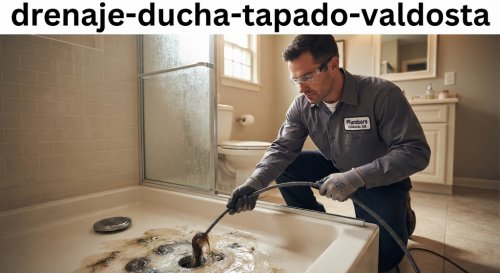
A slow-draining sink, shower, or tub usually starts as a minor nuisance, but it frequently signals a developing blockage within the branch drain or main waste line. In many Valdosta homes, bathroom drains clog from a combination of hair, soap scum, and body oils, while kitchen drains typically trap grease, food particles, and starch.
Hidden Insights About Clogs
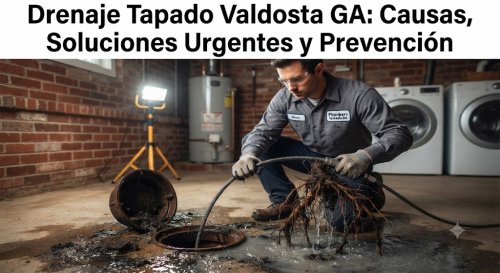
One clogged fixture usually points to a localized obstruction in the trap or immediate tailpiece. However, if multiple fixtures on the same floor begin draining slowly or gurgling simultaneously, the restriction is almost certainly located farther downstream in the main vent or sewer lateral. Relying on chemical drain cleaners repeatedly can corrode older metal pipes, soften PVC joints, and fail to remove the structural core of an obstruction, leaving a residue that catches new debris even faster.
Safe Checks and When to Call for Help
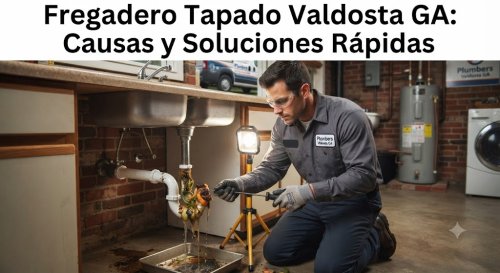
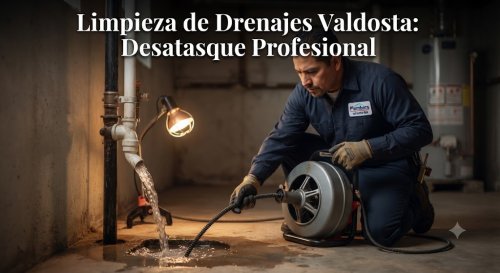
You can safely inspect and clean the P-trap beneath a sink using a bucket and channel-lock pliers to catch and clear accumulated debris. If plunging a fixture yields only temporary relief, or if water bubbles up into a bathtub when you flush the toilet, professional mechanical snaking or a video camera inspection is necessary to evaluate the integrity of the drainage line.
3. Unexplained Increases in Water Bills
When utility bills rise unexpectedly without a change in household water consumption, a hidden plumbing leak is usually the underlying cause. Water supply lines operate under constant pressure, meaning even a small pinhole leak can release significant volumes of water over days or weeks.
Where Hidden Leaks Hide
Leaks frequently occur behind walls, beneath concrete slab foundations, inside crawl spaces, or along underground service lines connecting the municipal meter to the home. In Valdosta's warm, humid climate, an undetected leak beneath a home can elevate crawl-space moisture levels, encouraging mold growth and wood-destroying insect activity.
Diagnostic Clues
Check your water meter while all indoor and outdoor faucets are completely turned off. If the low-flow indicator triangle or dial is moving, water is escaping somewhere within the system. Other clues include warm spots on concrete floors, peeling baseboards, musty odors, or the sound of running water when all fixtures are closed.
4. Water Heater Performance Loss and Leaks
Water heaters work continuously to maintain stored water temperatures or deliver instant hot water on demand. Over time, sediment accumulation—particularly in areas with mineral-rich water—forms a dense layer at the bottom of tank-style water heaters, insulating the water from the burner or lower heating element.
Common Symptoms and Their Meanings
Popping or rumbling noises during heating cycles indicate boiling water trapped beneath a thick layer of bottom sediment. Discolored rusty water typically signals internal tank corrosion or a failing sacrificial anode rod. If water pools around the base of the tank, inspect the temperature and pressure (T&P) relief valve, inlet and outlet connections, or check for a compromised tank wall.
5. Low or Fluctuating Water Pressure
Low water pressure can make showering frustrating and appliances like washing machines or dishwashers inefficient. Determining the scope of the problem is the first step toward a correct diagnosis.
Fixture vs. Whole-House Issues
If low pressure occurs at only a single faucet, the problem is likely isolated to that fixture's aerator, cartridge, or supply stop valve. Mineral deposits often clog aerator screens. However, if every fixture in the home experiences sudden pressure drops, the issue stems from the main water supply line, a failing pressure reducing valve (PRV), or a partially closed main shut-off valve.
Cost Factors for Plumbing Repairs
Plumbing repair costs vary widely based on several distinct operational variables. Understanding these factors helps homeowners evaluate professional estimates accurately:
- Accessibility: Repairs located inside finished walls, beneath concrete slabs, or in cramped crawl spaces require additional labor to access safely.
- Material and Pipe Type: Working with older galvanized steel, cast iron, or fragile polybutylene requires specialized fittings and techniques compared to modern PEX or PVC.
- Severity of Damage: Spot-repairing a localized pipe leak is significantly different from replacing an entire corroded branch line or collapsed sewer lateral.
- Diagnostic Requirements: Complex intermittent leaks or deep sewer blockages may require electronic leak detection or sewer camera inspections before repair can begin.
Frequently Asked Questions
Frequently Asked Questions
How can I tell if a clogged drain is a simple fix or a sewer line problem?
A single slow fixture usually indicates a localized trap or branch clog. If multiple plumbing fixtures back up, gurgle when another fixture is used, or water backs up into a shower when a toilet is flushed, the problem involves the main sewer line.
Is it safe to use chemical drain cleaners on recurring clogs?
Chemical drain cleaners provide only temporary relief and rarely remove the entire obstruction. Repeated use can damage older metal pipes, degrade rubber seals, and create safety hazards if professional mechanical clearing is later required.
What should I do immediately if a pipe bursts inside my home?
Locate and close your main water shut-off valve immediately to stop the flow of water. Turn off the electricity to the affected area if water is near outlets or electrical panels, and open lower faucets to drain remaining pressure from the lines.
Why does my toilet run periodically without anyone using it?
This is almost always caused by a worn flapper valve that no longer creates a tight seal over the flush opening, allowing water to leak slowly from the tank into the bowl until the fill valve engages again.
Can high humidity in Valdosta cause plumbing pipes to sweat?
Yes. Cold water supply lines running through unconditioned crawl spaces or humid rooms frequently collect condensation on their exterior surfaces, which homeowners sometimes mistake for active plumbing leaks.
How often should a residential water heater be flushed?
Flushing a tank-style water heater once a year helps remove accumulated sediment, improves heating efficiency, and extends the operational lifespan of the tank and internal components.