Emergency Plumbing Repair in Valdosta GA: Urgent Problems
Learn which Valdosta plumbing issues require immediate emergency repair, what to check safely, and how to minimize property damage quickly.

Recognizing True Plumbing Emergencies in Your Valdosta Home
When a plumbing failure strikes a home or commercial property in Valdosta, Georgia, knowing the difference between an inconvenient annoyance and a true emergency can prevent thousands of dollars in water damage. High humidity, sudden seasonal storms, and fluctuating soil conditions can strain aging pipes, foundational lines, and outdoor spigots. Understanding which problems demand immediate action helps property owners mitigate damage, protect structural components, and make informed decisions before calling a professional.
An emergency plumbing situation generally involves active, uncontained water flooding a living space, a total loss of essential water or sanitation services, or a health hazard created by raw sewage backing up into sinks, tubs, or floor drains. When these failures occur, standard troubleshooting steps no longer apply, and immediate damage-control measures become the top priority.
Immediate Action: How to Shut Off Your Water Supply
Before assessing the source of a major leak or evaluating a sudden indoor flood, the most critical step is stopping the flow of water. Every Valdosta homeowner and property manager should know the location of their emergency shut-off valves.
- Fixture-Level Shut-Offs: Most toilets, sinks, and washing machine supply lines feature individual angle stops or shut-off valves directly beneath or behind the fixture. Turning these handles clockwise stops water to that specific appliance.
- Main Water Shut-Off Valve: If a pipe bursts inside a wall, a supply line detaches, or the source of a major leak cannot be isolated, the main water supply valve must be closed immediately. In many local properties, this valve is located near the front exterior foundation wall, inside a utility closet, or housed in an underground meter box near the property line.
Familiarizing household members with these locations before an emergency happens eliminates precious minutes of hesitation when a pipe fails.
Critical Plumbing Failures That Cannot Wait
Certain plumbing symptoms indicate catastrophic system failure and require immediate professional intervention rather than routine scheduling.
1. Burst or Completely Ripped Supply Pipes
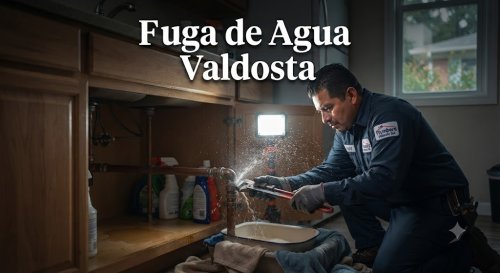
A ruptured supply line dumps gallons of water per minute into structural cavities, subflooring, or drywall. Whether caused by internal corrosion, sudden pressure spikes, or extreme weather events, a burst pipe requires immediate water shut-off and professional pipe repair. Visible water pouring from a ceiling or pooling across a hardwood floor is an undeniable emergency.
2. Main Sewer Line Backups
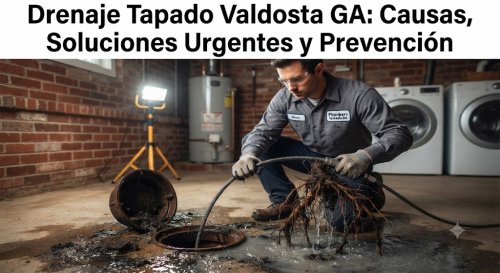
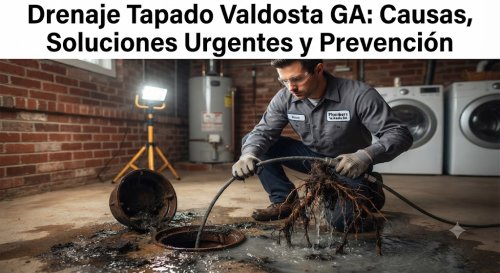
When multiple plumbing fixtures drain slowly or begin overflowing with wastewater simultaneously, the problem rarely lies in a single fixture trap. A main sewer lateral blockage or collapse forces blackwater or greywater backward out of the lowest drains in the building—typically basement floor drains, ground-floor showers, or lowest-level toilets. This represents an immediate biological hazard requiring specialized cleaning and mechanical clearing.
3. Major Active Water Leaks Behind Walls or Slabs
Not all urgent leaks are immediately visible. A sudden, unexplained spike on a water utility bill, the sound of running water when all fixtures are closed, or warm wet spots appearing on concrete slab foundations indicate a pressurized supply line failure. Continuous underground or behind-the-wall leakage rapidly rots framing, encourages mold growth, and destabilizes structural foundations.
4. Total Water Heater Tank Ruptures
Water heaters operate under constant municipal water pressure. When an aging tank corrodes through and ruptures completely, internal pressure forces gallons of water out into the utility room, garage, or interior hallway. If a water heater begins leaking heavily from its structural shell or displays erratic electrical or gas heating behavior alongside leaking fittings, it must be shut down and serviced immediately.
Hidden Diagnostic Insights for Valdosta Properties
Evaluating an emergency plumbing failure requires looking beyond the immediate symptom to understand the broader plumbing network. Several overlooked factors frequently complicate emergency repairs in this region:
- The Origin Illusion: Water follows gravity along framing members, subflooring, and electrical conduit. A wet spot on a ceiling is rarely directly beneath the actual pipe leak; water often travels several feet horizontally before pooling and finding a drop point.
- Slab Foundation Dynamics: Many properties in Valdosta utilize concrete slab foundations where supply lines run directly through or beneath the concrete. A pinhole leak in a copper supply line encased in concrete can manifest as warm floor tiles or persistent dampness weeks before the homeowner realizes a major subsurface leak exists.
- Crawl Space Moisture: Properties built on raised foundations with crawl spaces experience unique humidity challenges. A minor pipe leak in a damp crawl space can quickly accelerate wood rot, attract pests, and foster heavy mold growth if left unaddressed.
- Tree Root Intrusions: Mature trees searching for moisture frequently infiltrate older clay, cast iron, or PVC sewer laterals through microscopic joint gaps, causing recurring slow drains that suddenly escalate into complete sewer line blockages.
Safe Homeowner Checks vs. Professional Intervention
During an active plumbing crisis, safety dictates what a property owner can safely inspect and what requires licensed equipment.
Safe actions to take immediately:
- Locate and close the nearest fixture valve or main water shut-off valve.
- Safely unplug electrical appliances or turn off circuit breakers if water is nearing outlets, baseboard heaters, or electrical panels.
- Move rugs, furniture, and valuables away from standing water.
- Document water damage with photographs for insurance documentation.
What NOT to attempt without professional equipment:
- Do not attempt to patch a high-pressure burst supply pipe with tape, epoxy, or rubber patches; these temporary fixes under constant pressure almost always fail catastrophically.
- Do not use chemical drain openers when a main sewer line is completely backed up; standing chemicals create severe chemical burn risks if they splash back or require manual cable clearing by a technician.
- Do not enter flooded crawl spaces or rooms where water contacts exposed electrical wiring until power has been safely isolated.
Emergency Repair Options and Scope Variables
When a professional arrives to handle an emergency plumbing repair, the appropriate solution depends entirely on the root cause and material condition of the affected infrastructure.
| Emergency Type | Common Repair Approach | Primary Variables Affecting Scope |
|---|---|---|
| Burst Supply Pipe | Sectional pipe replacement (copper, PEX, or PVC) | Pipe accessibility, wall/ceiling cutout requirements, corrosion state of adjacent pipe. |
| Sewer Line Blockage | Mechanical augering, hydro-jetting, or spot excavation | Line depth, pipe material, presence of roots or structural collapse. |
| Water Heater Failure | Tank replacement or component swap (pressure valve, element) | Unit capacity, fuel type (gas/electric), code updates required for new installations. |
| Slab Leak | Point repair, epoxy lining, or overhead rerouting | Depth of slab, location beneath load-bearing walls, layout of existing plumbing routes. |
What Factors Influence Emergency Repair Costs?
Emergency plumbing services inherently involve variables that differ from scheduled installations. Understanding these cost factors helps property owners evaluate professional estimates realistically:
- Timing and Urgency: Dispatched after-hours, weekend, or holiday responses require mobilizing personnel outside standard operating schedules.
- Accessibility and Demolition: Accessing a hidden pipe behind tiled shower walls, beneath concrete slabs, or inside tight crawl spaces requires specialized tools, cutting, and subsequent patching or restoration work.
- Extent of Underlying Damage: A simple valve replacement differs drastically from repairing structural water damage, rotted subflooring, or collapsed sewer trenches.
- Material Quality and Code Compliance: Upgrading outdated galvanized steel or brittle polybutylene pipes to modern PEX or copper ensures long-term reliability but increases material requirements.
A detailed professional estimate should clearly separate diagnostic fees, labor time, equipment usage, material costs, and any necessary restoration or access work.
Frequently Asked Questions
How do I know if a slow drain is an emergency or a routine issue?
A single slow drain in one sink or tub is usually a routine fixture-level clog caused by hair, soap scum, or grease. However, if multiple fixtures drain slowly at the same time, or if flushing a toilet causes water to bubble up into the shower or floor drain, you are experiencing a main sewer line backup that requires immediate attention.
Can I use chemical drain cleaners during a plumbing emergency?
Chemical drain cleaners are strongly discouraged during major backups or active leaks. They do not remove structural root intrusions or severe blockages, and standing caustic chemicals pose extreme safety hazards to technicians who must later clear the lines mechanically.
What should I do if I smell sewage inside my home?
A persistent sewage odor indicates a dry plumbing trap, a cracked vent stack, or a compromised sewer line. Pour water into infrequently used floor drains and sinks to refill dried traps. If the odor continues or is accompanied by slow drains, have a professional inspect the sewer venting and drainage system immediately.
Why is my water bill suddenly higher when I have no visible leaks?
An unexplained spike in water consumption typically points to a hidden leak, such as a running toilet flapper, a silent underground supply line leak, or a subsurface slab leak. Performing a water meter test—checking if the low-flow dial is spinning while all indoor fixtures are completely shut—can confirm hidden water loss.
How quickly should a burst pipe be addressed?
Immediately. Once the main water supply valve is closed to stop the flooding, a professional plumber should be contacted to evaluate the rupture. Leaving a broken supply pipe unaddressed risks severe structural decay, mold proliferation, and extensive damage to flooring and electrical systems.