Emergency Plumbing Repair in Valdosta GA: What Needs Fast Action
Learn which Valdosta plumbing emergencies require immediate attention, what safe steps to take, and how to prevent major property damage.

Recognizing True Plumbing Emergencies in Valdosta Properties
When a plumbing failure occurs, knowing whether it requires an immediate middle-of-the-night response or if it can safely wait until morning prevents both property damage and unnecessary service fees. In Valdosta, where heavy seasonal downpours, high water tables, and intense summer humidity put unique stress on residential and commercial infrastructure, plumbing emergencies usually involve active, uncontrolled water loss or total sanitation failure.
An emergency plumbing repair is generally necessary when a problem threatens structural integrity, creates immediate health hazards, or completely shuts down essential property functions. Minor leaks or slow-running drains, while frustrating, rarely justify emergency intervention. Understanding the difference helps property owners take precise, calm action when serious failures strike.
Critical Plumbing Failures That Cannot Wait
Certain plumbing symptoms demand immediate isolation and professional repair. Ignoring these signs can transform a manageable fix into a major structural renovation.
1. Complete Main Sewer Line Backups
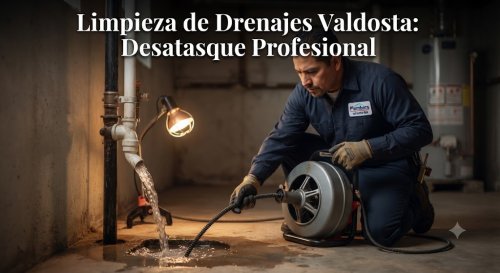
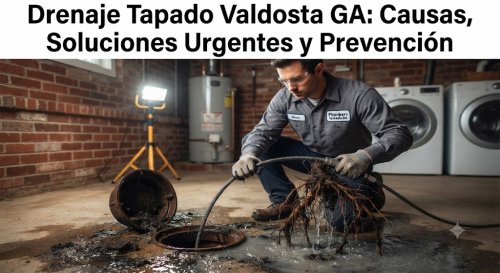
When multiple plumbing fixtures—such as toilets, showers, and floor drains—begin backing up simultaneously, the issue usually lies in the main sewer lateral rather than an individual branch line. In Valdosta properties, tree root intrusion into underground clay or cast-iron lines is a frequent culprit, often accelerated by warm, humid soil conditions that encourage aggressive root growth.
A total sewer backup means untreated wastewater cannot leave the building. Continuing to use any water source inside the property will force raw sewage up through the lowest drains, creating an immediate biological hazard. This situation requires halting all water usage immediately and calling for professional drain clearing or sewer repair.
2. Burst or Severely Compromised Water Supply Lines
A completely ruptured water supply pipe can release hundreds of gallons of water per hour, rapidly soaking subfloors, drywall, and insulation. While Valdosta rarely experiences prolonged hard freezes compared to northern regions, sudden winter temperature drops, shifting soil around slab foundations, or extreme internal pressure can cause brittle supply pipes to split.
The immediate priority during a burst pipe is locating and shutting off the main water shutoff valve. If the water cannot be stopped at the main valve, or if the break occurs between the municipal meter and the house, utility-level intervention may be required.
3. Major Water Heater Tank Ruptures
Water heaters operate under constant pressure. When an aging tank experiences structural failure due to severe internal corrosion or bottom sediment buildup, the outer shell can rupture, releasing the entire contents of the tank onto the floor.
If a water heater begins leaking heavily from the body of the tank itself—as opposed to a loose fitting, faulty temperature and pressure relief valve, or a bad gasket—it cannot be patched. The unit must be shut down, both at its cold-water supply valve and its power source (gas or electric), and scheduled for immediate replacement.
4. Overflowing Toilets That Will Not Stop
A toilet that overflows continuously and does not respond to closing the dedicated supply valve behind the porcelain base represents a sanitation emergency. This usually indicates a severe downstream blockage combined with a malfunctioning fill valve or flapper. Leaving an overflowing toilet running floods bathroom floors, ruining baseboards and subflooring.
Immediate Safe Actions for Homeowners
When an emergency strikes, taking the correct first steps limits damage before professional help arrives. Homeowners should practice these safety measures:
- Locate and test the main water shutoff valve: Every property owner should know where their main shutoff valve is located—whether in a crawl space, utility closet, or outdoor meter box—and ensure it turns freely before an emergency happens.
- Kill power to electric water heaters: If a water heater is leaking massively or flooding the utility area, switch off the dedicated circuit breaker to prevent electrical shorts or element burnout.
- Stop using all fixtures during a backup: If drains are gurgling or sewage is pooling, cease flushing toilets and running faucets immediately to prevent further contamination.
- Protect valuables and electrical items: Move rugs, electronics, and stored items away from standing water.
Hidden Diagnostic Clues Valdosta Property Owners Miss
Observing subtle warning signs can sometimes prevent an emergency entirely. Professional plumbing analysts note several frequently overlooked diagnostic clues:
First, slow-draining showers paired with a gurgling toilet usually indicate an issue in the main vent stack or an outdoor sewer cleanout. When a toilet flushes and pulls air from a nearby bathtub drain, air is trying to escape through the trap because the primary roof vent is blocked by leaves, debris, or animal nests.
Second, unexplained dampness in crawl spaces or mysterious warm spots on concrete slab floors often point to hidden under-slab supply leaks. In southern climates with high water tables, damp soil under a home can easily be mistaken for normal humidity or groundwater seepage when it is actually a pinhole leak in a copper or PEX supply line.
Third, intermittent foul odors that disappear and return often suggest a dry plumbing trap in a seldom-used guest bathroom or utility drain rather than a broken sewer pipe. Pouring water down floor drains periodically re-establishes the water barrier that blocks sewer gases.
Repair Scope and Cost Factors in Emergency Situations
Emergency plumbing repairs often carry different pricing structures than scheduled maintenance appointments. Understanding what drives these costs helps property owners evaluate contractor estimates fairly.
Emergency pricing typically accounts for after-hours dispatch, immediate resource mobilization, and the hazards of working blindly before diagnostic testing is complete. Major cost variables include:
- Accessibility: Working inside a cramped crawl space, cutting through concrete slabs, or excavating deep underground sewer lines requires specialized equipment and physical labor.
- Material Quality and Pipe Age: Repairing modern PEX or PVC piping is straightforward, whereas tying into brittle cast iron or older galvanized steel requires specialty fittings, adapters, and extra caution to prevent breaking adjacent lines.
- Diagnostic Scope: Advanced diagnostics, such as electronic leak detection or sewer camera inspections, may be required to pinpoint invisible failures before physical repair work begins.
- Restoration Requirements: Emergency work sometimes requires drywall cutting, concrete breaking, or trenching, which impacts total restoration costs.
Frequently Asked Questions
How do I know if a plumbing issue is a true emergency or if it can wait until morning?
If the problem involves active, uncontrolled flooding, total loss of water supply, raw sewage backing up into living spaces, or a gas leak near a water heater, it is an emergency. Slow leaks that can be contained with a bucket or a single clogged bathroom sink (when others remain functional) can usually wait for normal business hours.
Where is the main water shutoff valve typically located in Valdosta properties?
In homes with crawl spaces, the main shutoff valve is frequently found near the front foundation wall where the water line enters the property. In homes built on slab foundations, it may be inside a utility room, garage, or located outside near the water meter box embedded in the ground.
Why are sewer line backups more common after heavy rainstorms?
Heavy rainfall can overwhelm municipal sewer mains or infiltrate private sewer laterals through cracks and joint gaps. Additionally, excess water entering the soil can shift underground pipes, causing pre-existing root intrusions or structural damage to collapse completely.
Can I use chemical drain cleaners during an emergency clog?
Chemical drain openers should generally be avoided during severe clogs or backups. If the chemicals fail to clear the blockage, they remain trapped in the standing water, creating a severe chemical burn hazard for anyone—including a plumber—who later has to open the pipe.
What should I ask a plumber before approving emergency repair work?
Ask for a clear explanation of the immediate hazard, whether the repair addresses the root cause or only provides a temporary patch, what warranty covers the workmanship, and how long the water will remain shut off during the procedure.