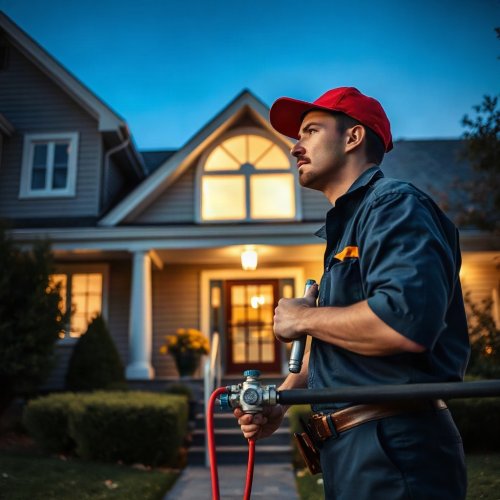
Emergency Plumber in Valdosta GA: What to Do When a Pipe Bursts
Discover what to do when a pipe bursts in your Valdosta home. Learn emergency shut-off steps, safe damage control, hidden leak signs, and repair options.

Immediate Actions When a Pipe Bursts
Finding a burst pipe in your home creates instant panic, but knowing the exact steps to take can prevent thousands of dollars in structural damage. When water begins flooding your floors, walls, or ceilings, speed is your greatest asset. The very first action you must take is shutting off the main water supply to stop the flow of water entirely.
Every Valdosta homeowner should locate their main water shut-off valve before an emergency occurs. In many properties throughout the area, this valve is located near the front water meter box close to the street, inside a utility closet, or near the exterior foundation wall where the municipal supply line enters the building. Turn the valve clockwise until it is completely closed. If you have a gate valve, turn it firmly until it stops; if you have a quarter-turn ball valve, align the handle perpendicular to the pipe.
Once the main supply is off, immediately shut off the electrical power to the affected areas if you can safely reach your circuit breaker panel without standing in water. Water mixed with electricity creates a severe electrocution hazard. After securing the water and electricity, open the lowest faucets in your home to drain remaining water out of the plumbing system, minimizing the volume that can escape through the rupture.
Understanding Why Pipes Burst in Valdosta Properties
While catastrophic pipe failures are often associated with freezing temperatures in northern climates, Valdosta properties face unique environmental stressors that can weaken plumbing over time. Understanding the underlying mechanical cause helps determine whether you are dealing with an isolated failure or a systemic weakness in your plumbing infrastructure.
Extreme summer heat, shifting clay soils common in parts of South Georgia, and sudden ground movement can place immense stress on underground and crawl-space piping. Furthermore, long-term exposure to treated municipal water containing minerals can cause internal corrosion, pitting, and thinning of copper and galvanized steel pipes until the wall integrity fails completely under normal operating water pressure.
- Corrosion and Age: Older homes with galvanized iron or aging copper pipes experience internal wall thinning.
- Pressure Surges: Water hammer or malfunctioning pressure-reducing valves can cause sudden spikes that rupture weakened joints.
- Soil Settling: Shifting ground beneath slab foundations or inside crawl spaces can put bending strain on rigid supply lines.
- Temperature Fluctuations: Although rare, sudden unseasonal cold snaps can catch exposed outdoor or crawl-space pipes unprepared.
Hidden Diagnostic Clues Before and After a Burst
A burst pipe rarely happens without giving prior warnings, though those clues are frequently overlooked. Recognizing these warning signs can prevent a full-blown emergency. Conversely, after a pipe bursts, tracing the water to its actual origin requires careful observation because water travels along the path of least resistance, often emerging far away from the actual break.
For instance, water pooling in a hallway ceiling may originate from a pinhole leak or burst joint several feet away along a ceiling joist. Similarly, moisture accumulating in a crawl space might stem from an overhead supply line rather than groundwater intrusion. A sudden, unexplained spike in your monthly water bill, a faint hissing sound of running water behind walls when all fixtures are closed, or damp drywall are critical indicators that a pipe is failing before it completely ruptures.
Safe Homeowner Checks vs. Professional Intervention
When a pipe bursts, determining what you can safely handle yourself versus when to call an emergency plumber in Valdosta GA is vital for safety and property protection. Homeowners can safely perform temporary damage control, such as mopping up standing water, placing buckets under active drips, and moving furniture out of harm's way. You can also inspect exposed piping in accessible crawl spaces or utility areas with a flashlight to locate the general vicinity of the break.
However, you should never attempt to patch a pressurized supply line with duct tape, rubber bands, or generic household sealants. These makeshift fixes cannot withstand residential water pressure and will quickly fail, resulting in renewed flooding. Any repair involving cutting into drywall, replacing soldered copper, fusing PEX tubing, or excavating underground supply lines requires professional tools, plumbing code knowledge, and appropriate licensing.
Repair Options and Scope of Work
When an emergency plumber arrives, they will evaluate the nature of the failure to determine the appropriate permanent repair. Not every burst pipe requires replacing your entire plumbing system, but the correct fix depends on the condition of the surrounding material.
| Repair Type | Best Used For | Considerations |
|---|---|---|
| Pipe Patch or Coupling | Localized, clean break in otherwise healthy pipe | Quickest fix; only addresses the immediate damaged section. |
| Section Replacement | Corroded or damaged pipe span between fittings | Removes weakened material; integrates modern piping like PEX or copper. |
| Partial Repiping | Widespread corrosion throughout a specific branch line | Prevents recurring failures in aging sections of the home. |
If the surrounding pipe shows severe pitting, scaling, or thinning, simply cutting out the burst segment and coupling a new piece may place stress on adjacent weak points, leading to a secondary failure nearby. A qualified professional will assess the integrity of the entire pipe run before finalizing the repair method.
Factors That Affect Emergency Repair Costs
Emergency plumbing interventions involve variables that influence the overall scope and investment required. Understanding these factors helps clarify why emergency estimates vary from standard scheduled plumbing visits.
- Timing and Urgency: After-hours, weekend, or holiday responses require mobilizing technicians on short notice.
- Accessibility: Pipes located in tight crawl spaces, behind finished drywall, beneath concrete slabs, or underground require specialized access work.
- Material and Pipe Size: Main supply lines and larger commercial pipes require heavier-duty fittings and equipment than standard 1/2-inch residential branch lines.
- Water Damage Mitigation: The degree of structural saturation may necessitate specialized drying equipment or structural opening to prevent mold growth in humid Georgia climates.
- Associated Valve Replacements: If an old shut-off valve fails to seal completely during the emergency, it must be replaced alongside the burst pipe.
Frequently Asked Questions
Frequently Asked Questions
How do I know if my main water shut-off valve is working properly?
Locate your main valve and turn it clockwise until closed, then check if water still drips from indoor faucets. If water continues running or the valve handle spins freely without stopping, the valve is worn out and needs professional replacement before an emergency occurs.
Can a burst pipe fix itself if the pressure drops?
No. Once a pipe wall ruptures or splits, the structural integrity of that section is compromised. Even if pressure temporarily drops or the leak slows down, the weakened metal or plastic will inevitably rupture completely under normal household water pressure.
Why is my water bill high even though I don't see any active leaks?
A high water bill without visible indoor flooding often points to a hidden slow leak, such as a compromised underground supply line between the meter and your home, or a continuous leak running beneath a slab or inside a wall cavity.
Is it safe to turn my water heater off after a pipe bursts?
Yes. If the burst pipe involves the hot water line or if you have shut off the main water supply entirely, turning off your water heater (or switching your electric water heater breaker to the off position) prevents the heating elements from dry-firing and burning out. ### How long does an emergency pipe repair typically take?
An isolated burst pipe in an accessible crawl space or utility wall can often be repaired within one to two hours once the area is drained. However, repairs requiring drywall cutting, structural access, or main supply line excavation take longer.
What should I ask an emergency plumber before they begin work?
Ask for a clear explanation of the diagnostic findings, whether the repair addresses the root cause or just the immediate symptom, what warranty covers the repair work, and a transparent estimate detailing labor, materials, and any necessary access fees.