What Causes Plumbing Pipes to Burst in Valdosta GA?
Discover why plumbing pipes burst in Valdosta, GA. Learn about environmental factors, hidden stresses, diagnostic clues, and preventative measures.

When a plumbing pipe bursts, it is rarely a sudden event without a backstory. While homeowners often assume a rupture happens out of nowhere, it is typically the result of prolonged physical stress, chemical degradation, environmental factors, or sudden pressure spikes acting on a vulnerable section of pipe. Understanding what causes pipes to fail can help property owners recognize early warning signs before a catastrophic leak occurs.
In Valdosta, Georgia, plumbing systems face a unique combination of regional climate conditions, soil characteristics, and aging infrastructure. While prolonged hard freezes are less frequent here than in northern regions, sudden winter temperature drops, shifting soils, high summer water demand, and aggressive local water chemistry all play a role in pipe degradation. Examining the structural and environmental mechanics behind pipe failures reveals why certain materials give way and how property owners can spot trouble early.
Environmental and Thermal Stress Factors
Environmental conditions surrounding plumbing lines exert continuous physical forces that can compromise structural integrity over time. While South Georgia enjoys a predominantly warm climate, winter cold snaps do occur. When temperatures drop below freezing unexpectedly, exposed pipes in unheated areas—such as exterior walls, crawl spaces, and uninsulated outdoor hose bibs—are vulnerable. Water expands by approximately nine percent when it freezes. As ice forms inside a confined pipe, it creates immense hydraulic pressure between the ice blockage and closed valves or fittings, eventually overcoming the tensile strength of copper, PVC, or galvanized steel.
Beyond freezing temperatures, thermal expansion and contraction stress plumbing lines year-round. Valdosta experiences significant seasonal temperature shifts between hot summer months and cooler periods. As hot water flows through metal pipes, the material expands; as it cools, it contracts. Over thousands of heating and cooling cycles, this constant micro-movement weakens soldered joints, threaded connections, and areas where pipes are rigidly clamped against framing members.
Soil Movement and Foundation Stress
Underground water lines, sewer laterals, and pipes running beneath concrete slabs are subject to external ground pressures. Valdosta's regional soil profiles, which can feature shifting clay components, expand when saturated by heavy seasonal rainfall and shrink during prolonged dry spells. This constant ground movement creates differential settling.
When the soil beneath or around a pipe shifts unevenly, the pipe loses uniform structural support. Unsupported spans begin to sag or bear excessive shear stress where they enter a foundation wall or rigid fitting. Over time, this earth movement creates stress fractures that eventually yield under normal operating water pressure.
Internal Water Pressure and Pressure Surges
High municipal water supply pressure is a silent contributor to pipe failures. Standard residential plumbing systems are typically designed to handle static pressures between 40 and 80 pounds per square inch (psi). When municipal supply pressure creeps higher, or when pressure-reducing valves fail, every joint, valve, and elbow in the home operates under constant strain.
Furthermore, rapid valve closures—such as those caused by automated washing machine solenoids or fast-closing dishwasher valves—create a phenomenon known as water hammer. When a moving column of water is abruptly halted, a shockwave of kinetic energy bounces backward through the plumbing network. Without functioning air chambers or water hammer arrestors, these repeated hydraulic shocks weaken pipe walls and loosen fittings until a split occurs.
Material Degradation, Corrosion, and Age
The age and material composition of a plumbing system dictate its overall resilience. Properties featuring older plumbing components face distinct degradation mechanisms:
- Galvanized Steel: Common in older homes, these pipes corrode from the inside out as mineral deposits and oxidation narrow the interior diameter, thinning the steel walls until they rupture.
- Polybutylene: Used extensively in past decades, these flexible plastic pipes react negatively to chemical oxidants in treated municipal water, becoming brittle and prone to sudden splitting.
- Copper: While durable, copper can suffer from pitting corrosion due to water chemistry imbalances, or external wear if left unprotected against abrasive building materials or concrete.
- envejecido PVC or CPVC: Plastics lose flexibility over time, particularly when exposed to ultraviolet light in outdoor settings or extreme temperature fluctuations in unconditioned spaces.
Hidden Diagnostic Clues Before a Pipe Bursts
A pipe rarely fails completely without providing advance warnings. Homeowners who know what to look for can often intervene before a total structural rupture occurs:
- Unexplained Water Meter Movement: If all fixtures are turned off but the low-flow indicator dial on the water meter is spinning, water is escaping somewhere in the system.
- Sudden Pressure Drops: A localized drop in water pressure at a single fixture often indicates a partial blockage or a localized crimp or crack restricting flow.
- Discolored Water: Brown, yellow, or reddish water when opening a tap after a period of non-use frequently points to internal pipe corrosion and wall thinning.
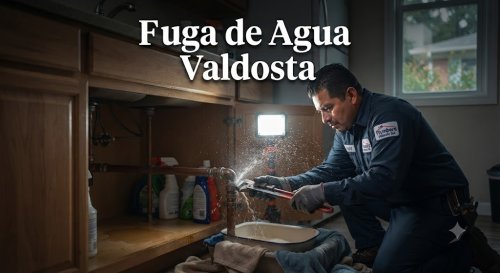
- Musty Odors or Damp Drywall: Soft spots in drywall, peeling paint, warped baseboards, or persistent dampness in a crawl space signal a slow, hidden pinhole leak that will eventually widen into a full burst.
- Audible Hissing or Banging: Water hissing behind a wall or loud pipe banging (water hammer) during fixture shutoff indicates abnormal stress within the lines.
Safe Homeowner Inspections and Immediate Safety Actions
When a pipe bursts or a major leak is suspected, immediate action minimizes structural damage. Property owners should take these preliminary steps:
- Locate the Main Shut-off Valve: Every homeowner should know where their main water shut-off valve is located—typically near the water heater, where the main supply line enters the house, or in an outdoor utility box near the property line.
- Shut Off Electricity if Necessary: If water is spraying near electrical outlets, breaker panels, or appliances, turn off the main electrical breaker to prevent shock hazards.
- Visually Inspect Accessible Areas: Safely check under sinks, around water heaters, and in accessible crawl spaces for active pooling or dripping.
- Avoid Over-Reliance on Temporary Fixes: Rubber repair sleeves, tape, and epoxy putties are strictly temporary emergency measures. They do not restore the structural integrity of a compromised pipe wall.
Professional Repair Options and Scope Considerations
When a professional plumbing evaluation confirms a compromised pipe, repair methodologies vary based on the location and extent of the damage. A localized split in an accessible crawl-space pipe may only require cutting out the damaged section and installing a coupling with new copper or PEX piping. However, if the failure stems from systemic corrosion, localized repairs may simply shift the point of failure to the next weakest section of pipe.
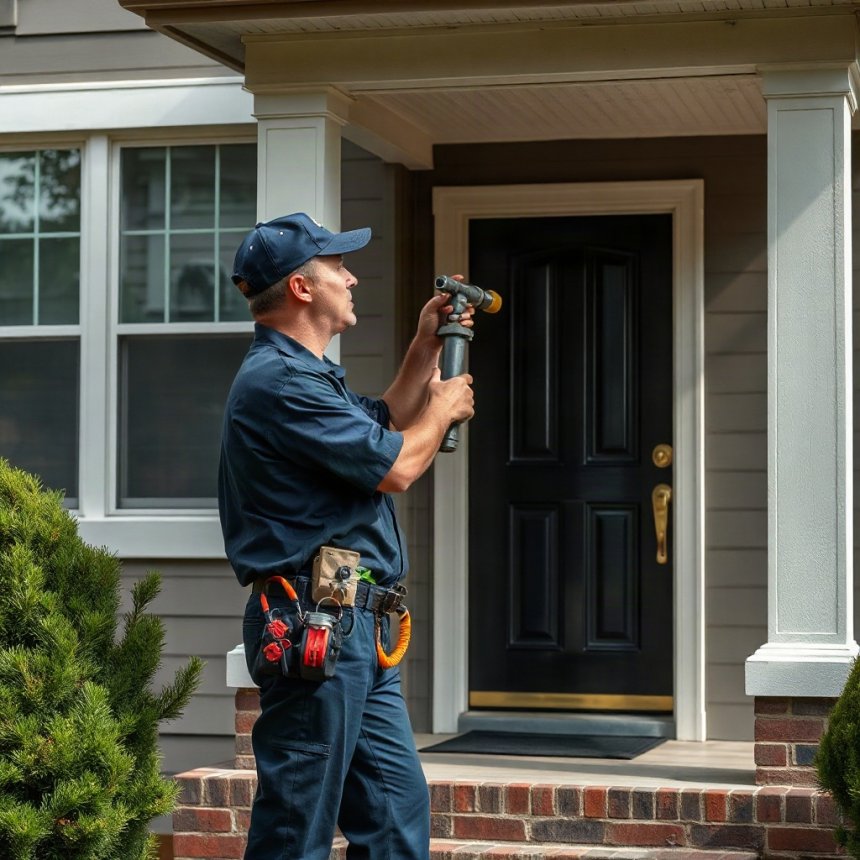
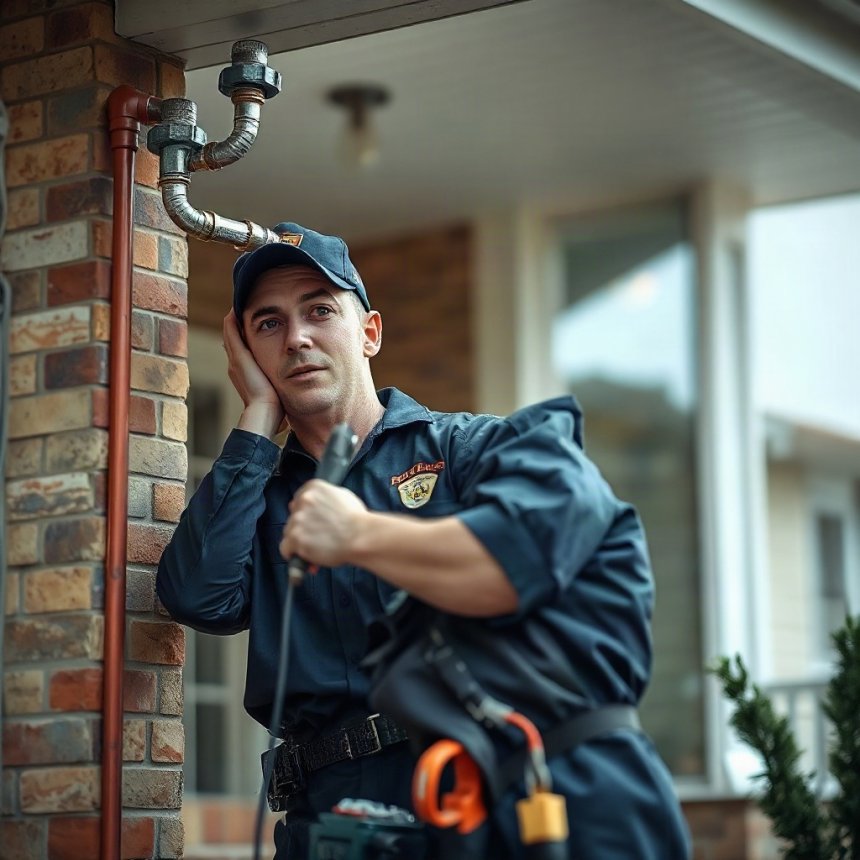
For pipes running beneath concrete slabs or deep within finished walls, professional diagnosis often involves non-invasive electronic leak detection and acoustic listening devices to pinpoint the exact breach without unnecessary demolition. In cases of widespread material failure, partial or complete repiping may be recommended to provide long-term reliability.
Variables That Influence Pipe Repair and Replacement Costs
When plumbing repairs are necessary, project scopes differ widely due to several objective variables:
- Location and Accessibility: A pipe located in an open crawl space is straightforward to access, whereas a pipe buried beneath a concrete slab or encased behind tiled walls requires specialized excavation or demolition and subsequent restoration.
- Pipe Material and Size: Larger commercial supply lines or specialized proprietary piping materials require different fittings, tools, and labor techniques than standard residential lines.
- Extent of Collateral Damage: The cost of repairing the pipe itself is often separate from remediation required for saturated drywall, ruined flooring, or mold mitigation.
- Emergency Timing: After-hours or weekend emergency interventions require mobilization under difficult conditions, affecting labor allocation.
A comprehensive professional estimate should clearly separate diagnostic testing fees, access and demolition labor, plumbing replacement materials, and post-repair structural restoration.
Frequently Asked Questions
Can high water pressure alone cause a pipe to burst?
Yes. Continuous static pressure exceeding 80 psi places constant mechanical stress on pipe walls, soldered joints, and fittings. Over time, this fatigue weakens the material until a sudden surge—such as from a fast-closing valve—triggers a rupture.
How can I protect my plumbing pipes during a sudden Valdosta freeze?
Disconnect and drain outdoor garden hoses, insulate exposed pipes located in unconditioned crawl spaces or exterior walls, and allow vulnerable interior faucets to drip slowly during freezing overnight temperatures to keep water moving.
Why does my water meter spin when all taps are closed?
A moving low-flow indicator dial while every faucet, toilet, and appliance is turned off indicates an active leak somewhere in the pressurized distribution system, either underground, beneath a slab, or hidden inside a wall cavity.
Are older galvanized steel pipes more likely to burst?
Yes. Galvanized steel pipes accumulate mineral buildup and internal rust over decades of service. This internal corrosion thins the metal walls until the pipe can no longer withstand standard operating pressure.
What should I do immediately if a pipe bursts inside my home?
Locate and close the main water supply valve immediately to stop the flow of water. If water is near electrical panels or outlets, shut off the power at the main breaker, then contact a qualified professional to assess the damage.
How do plumbers locate hidden leaks behind walls or under slabs?
Professional plumbers utilize non-invasive diagnostic tools such as electronic acoustic listening devices, thermal imaging cameras, and line pressure tests to isolate the exact location of a subsurface or behind-the-wall breach without destructive exploratory demolition.