What to Do When Water Is Flooding a Valdosta GA Home
Discover immediate steps to manage water flooding in a Valdosta home, minimize property damage, safely control plumbing systems, and identify root causes.

Immediate Actions When Facing Indoor Flooding
When water begins rapidly pooling inside a residential or commercial property in Valdosta, GA, every passing minute increases the risk of structural damage, ruined flooring, and hazardous mold growth. Whether the crisis stems from a catastrophic supply line failure, a backed-up sewer lateral, or heavy seasonal storm runoff overwhelming drainage systems, immediate and decisive action is required to protect the property.
Panic often leads to wasted time. Knowing the exact sequence of steps to take can prevent minor component failures from turning into structural disasters. Before calling for professional assistance, focus entirely on containment, safety, and stopping the flow of water.
1. Locate and Shut Off the Main Water Supply
If the flooding is clean water originating from a pressurized supply line—such as a burst supply tube beneath a sink, a failed water heater tank, or a severed washing machine hose—your absolute first priority is cutting off the incoming water supply.
Every property owner should know the exact location of their main water shut-off valve. In many residential properties throughout the Valdosta area, this valve is located near the front perimeter wall inside a utility closet, crawl space, or garage, or outside near the street inside a subterranean meter box. Turn the valve clockwise until it is completely closed. If the property utilizes a lever-style ball valve, turning it a quarter-turn so it sits perpendicular to the pipe will halt the flow instantly.
2. Evaluate Electrical Safety Hazards
Water is an exceptional conductor of electricity. If rising water has reached electrical outlets, baseboard heaters, extension cords, or major appliances, do not wade into the water or attempt to unplug cords. If it is safe to access your electrical panel without stepping in moisture, switch off the main circuit breakers servicing the affected areas. If the main breaker box is wet or surrounded by standing water, leave the electrical system alone and contact your utility provider or a qualified electrician immediately.
3. Identify the Source and Nature of the Water
Not all indoor water emergencies behave the same way. Identifying where the water is coming from dictates both your safety precautions and the type of professional help required:
- Supply-Side Leaks: Clear water continuously spraying or pooling under pressure. Usually originates from water heaters, supply lines, pipe joints, or plumbing fixtures.
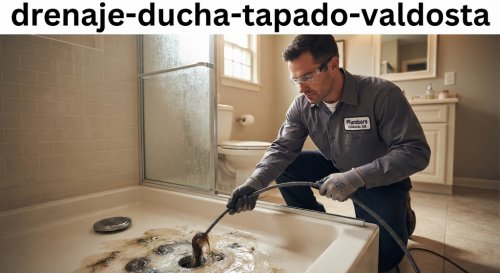
- Drainage Backups: Gray or black water bubbling up through shower drains, floor drains, or toilets. This indicates a major blockage or structural collapse in the main sewer line and poses severe biological hazards.
- Weather or Structural Intrusion: Rainwater entering through roof leaks, window frames, or seeping up through crawl spaces during severe South Georgia thunderstorms.
Safe Homeowner Checks and Diagnostic Clues
Once the active flooding has been stopped or contained, you can begin examining the physical evidence to understand what failed. Valdosta properties face unique environmental conditions, including high humidity, shifting sandy soils, and intense summer storms that can test the integrity of aging plumbing networks.
Distinguishing Supply Leaks from Drainage Failures
If water is pooling continuously even when no fixtures are operating, the issue almost certainly involves the pressurized supply system or a continuous leak in a water distribution line. Conversely, if flooding occurs only when a washing machine drains, a bathtub empties, or multiple fixtures are used simultaneously, the root cause lies within the drainage or sewer network.
A critical hidden insight involves multi-fixture backups. If a single toilet overflows because of an internal clog, the problem is localized to that specific fixture. However, if running a washing machine causes water to erupt out of a downstairs shower drain or floor drain, the main sewer lateral is heavily restricted. The lowest fixture in the plumbing system will always show symptoms first when the main drain line is blocked.
Inspecting Exposed Piping and Fixtures
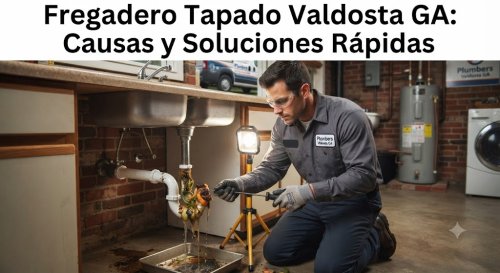
Safely inspect accessible areas such as under-sink cabinets, utility rooms, and crawl spaces. Look for obvious signs of distress:
When Professional Intervention Is Essential
While shutting off valves and soaking up standing water are tasks any capable occupant can manage, complex plumbing failures require specialized diagnostic equipment and licensed expertise. Attempting to repair major structural plumbing failures without proper tools often results in compounded damage.
Professional diagnosis becomes mandatory under several specific conditions:
- Hidden Slab Leaks: If water is pooling on concrete slab floors or warm spots appear unexpectedly beneath flooring, specialized electronic acoustic listening equipment and thermal imaging are required to pinpoint the break without destroying entire rooms.
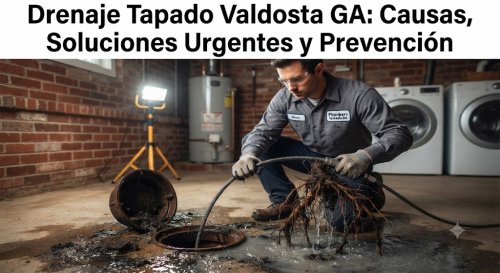
- Main Sewer Line Collapse: Persistent backups or structural breaks beneath the ground require professional video camera inspections to view root intrusion, offset joints, or crushed pipe segments.
- Compromised Main Supply Lines: Breaks occurring between the municipal meter and the interior shut-off valve often require heavy excavation or trenchless pipe repair methods.
Repair Options and Scope of Work
When a professional plumber evaluates an indoor flooding event, the chosen repair strategy must address the root mechanical failure rather than merely patching the immediate symptom.
Targeted Pipe Repair Versus Repiping
If a single copper or PEX pipe suffered a localized pinhole leak or burst due to mechanical stress, a section cutout and replacement using appropriate couplings may resolve the issue. However, if inspection reveals widespread mineral scaling, severe corrosion, or brittle piping materials throughout the property, targeted repairs will only provide temporary relief before another section fails.
Drain Cleaning and Hydro Jetting
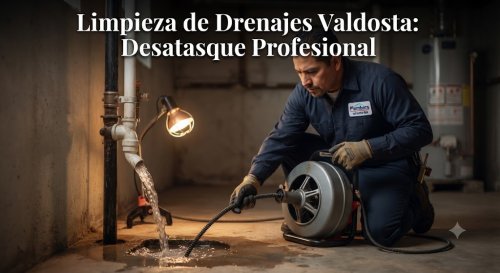
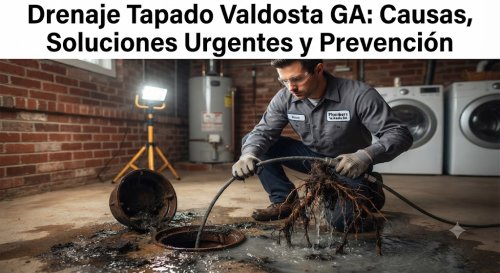
When flooding is caused by severe sewer backups, mechanical augering (snaking) can punch a temporary hole through grease, sludge, or root masses. For permanent clearance, high-pressure hydro jetting scours the interior pipe walls completely clean, removing decades of scale and debris buildup without damaging structurally sound pipe materials.
Understanding Cost Factors in Emergency Plumbing Repairs
Emergency plumbing interventions and water damage repairs vary significantly in cost based on several objective operational variables. Understanding these factors helps property owners evaluate repair estimates realistically.
An honest professional estimate should clearly separate diagnostic fees, labor hours, specific material costs, and any required restoration or access work.
Frequently Asked Questions
What should I do first if a pipe bursts inside my Valdosta home?
Immediately shut off the main water supply valve to stop incoming water flow. Turn off electricity to the affected area if safe to do so, move valuables away from standing water, and contact an emergency plumber to locate and repair the breach.
Why is water backing up out of my floor drains during heavy rain?
Heavy rainfall can overwhelm municipal sewer mains or private septic systems, causing stormwater to infiltrate lateral lines. If check valves are absent or failing, municipal water can push backward into lower-level household drains.
How can I tell if a wet spot on my floor is a plumbing leak or condensation?
High humidity in South Georgia frequently causes severe condensation on uninsulated cold-water pipes and concrete slabs. If the wet spot persists even when dry indoor climate control is maintained and water is not being used, it indicates an active plumbing leak.
Are braided steel supply lines immune to bursting?
No. While braided supply hoses are significantly more durable than older unreinforced plastic or rubber lines, the internal rubber tubing degrades over time and the metal fittings can corrode, requiring replacement every five to ten years.
What causes water heaters to suddenly flood a utility room?
Sudden water heater flooding is usually caused by internal tank corrosion resulting in a structural rupture, a failure of the temperature and pressure relief valve, or a catastrophic failure of the cold-water inlet connection.
Is a home insurance policy likely to cover indoor plumbing flood damage?
Coverage depends entirely on your specific insurance policy terms. Sudden and accidental damage from a burst pipe is frequently covered, whereas damage resulting from long-term, neglected maintenance or gradual seepage is often excluded.