24 Hour Plumber in Valdosta GA: Common Plumbing Emergencies Guide
Learn how to handle common plumbing emergencies in Valdosta GA. Discover urgent warning signs, safe temporary steps, and when to call a 24-hour plumber.

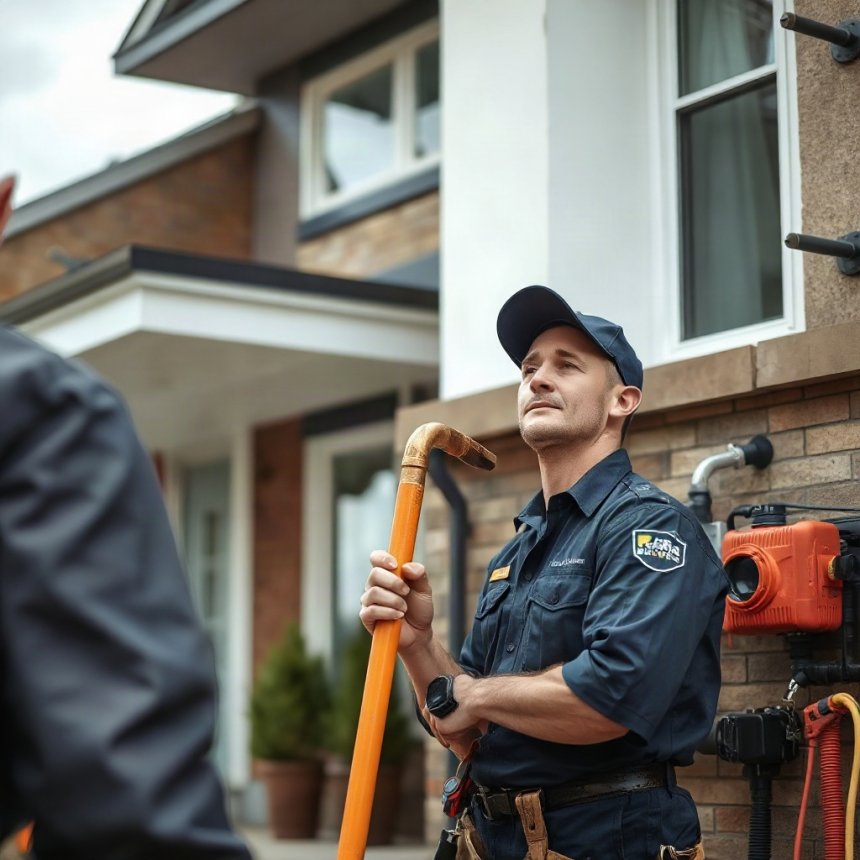
When a plumbing emergency strikes outside of normal business hours, knowing how to react can mean the difference between minor cleanup and catastrophic property damage. For property owners in Valdosta, Georgia, plumbing failures rarely follow a convenient schedule. Whether it is a sudden midnight pipe burst during a rare winter freeze or a torrential summer downpour overwhelming a saturated yard and backing up the main sewer line, understanding what constitutes a true plumbing emergency helps you protect your home or business.
This guide breaks down the most frequent after-hours plumbing failures, how to evaluate the severity of each situation, safe immediate actions you can take, and what a professional 24-hour plumber looks at when arriving on-site for an urgent call in the Valdosta area.
Immediate Action: How to Shut Off Your Water Main
In almost every indoor plumbing emergency, the single most valuable action you can take before calling a 24-hour plumber is shutting off the water supply. Water under pressure can pump dozens of gallons into a structure in just minutes, warping hardwood floors, soaking drywall, and encouraging rapid mold growth in Valdosta's humid climate.
- Locate your main shut-off valve: In many homes, this valve is located near the front perimeter wall where the main water line enters the structure, often in a utility room, garage, or crawl space.
- Outdoor meter box valves: If your indoor valve is stuck, rusted, or inaccessible, the municipal water supply valve is typically located near the property boundary inside an underground meter box. This often requires a specialized meter key to turn.
- Test periodically: Make sure your main valve actually turns completely off before an emergency happens. Old gate valves can freeze or snap off if forced unexpectedly.
1. Burst Pipes and Major Supply Line Failures
A completely ruptured supply pipe is one of the most destructive emergencies a property owner can face. While Valdosta enjoys a predominantly warm climate, sudden winter temperature drops can freeze uninsulated pipes in exterior walls, attics, or exposed crawl spaces. When water freezes, it expands with tremendous force, splitting copper, PEX, or PVC lines.
Hidden diagnostic insight: A pipe does not always burst with a dramatic geyser. Often, a small pinhole leak develops behind a wall or underneath a slab, leaking silently for hours before showing up as a bulging ceiling, a buckled vinyl floor, or a sudden, inexplicable spike on your water utility bill.
What to do: Immediately shut off the main water valve, open indoor faucets to drain remaining pressure in the lines, and turn off your water heater if it is an electric model to prevent the heating elements from burning out dry.
2. Main Sewer Line Backups and Multiple Fixture Overflows
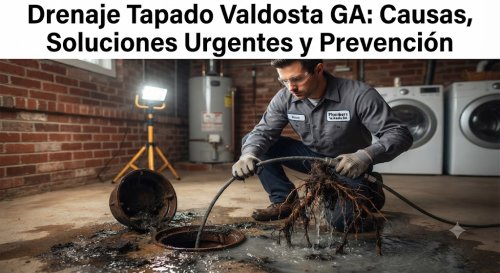
If a single toilet overflows because of a local blockage in its trap, it is a localized nuisance. However, when multiple plumbing fixtures—such as showers, floor drains, and toilets on the lowest level of the building—begin bubbling, gurgling, or overflowing simultaneously, you are likely dealing with a main sewer lateral blockage.
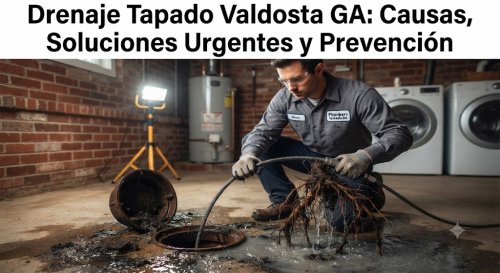
In Valdosta, mature oak trees can send aggressive roots into older clay or cast-iron sewer lines seeking moisture. Furthermore, heavy seasonal rainfall can infiltrate cracked sewer pipes, carrying silt and debris that settles and hardens into severe blockages.
Hidden diagnostic insight: A gurgling toilet when your washing machine drains is a classic early warning sign that your main sewer line is partially restricted or improperly vented, even if water is not yet backing up onto your floors.
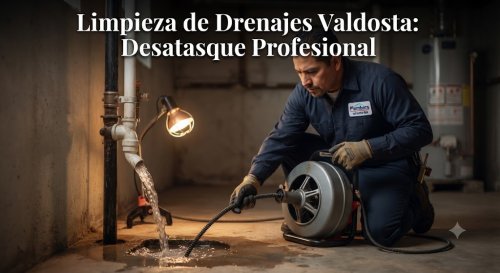
What to do: Stop using all plumbing fixtures immediately. Running more water will only push raw sewage out of the lowest drains in your home. A professional 24-hour plumber will typically utilize a sewer camera or heavy-duty cabling equipment to clear the obstruction and identify structural failures.
3. Water Heater Catastrophic Leaks and Tank Failures
Water heaters work under constant pressure every single day. When a tank fails structurally—usually due to internal rust, sediment buildup, or a failed pressure relief valve—it can discharge dozens of gallons of scalding water onto your floor.
Diagnostic clues: If your water heater begins leaking from the top connections, the issue might simply be a loose fitting or a failing pipe nipple. However, if water is actively pooling from the bottom of the tank jacket, the inner glass-lined vessel has ruptured, and the unit must be replaced.
What to do: Shut off the cold water supply valve located directly on top of the water heater. Turn off the gas control valve or switch off the dedicated circuit breaker for an electric model. Attach a garden hose to the drain valve at the bottom of the tank to route remaining water safely toward a floor drain or out a doorway.
4. Overflowing Toilets That Will Not Stop
A toilet that overflows continuously and refuses to respond to the flapper or fill valve is an urgent emergency. This usually indicates that the waste path downstream of the bowl is completely obstructed, preventing incoming flush water from escaping down the drain.
Safe homeowner check: Reach behind the toilet base and turn off the small oval-shaped supply stop valve clockwise. This halts water entering the tank and stops the overflow instantly, giving you time to evaluate the clog without risking bathroom flooding.
Understanding Emergency Plumbing Repair Costs
Emergency plumbing services naturally carry higher costs than scheduled weekday appointments. When evaluating an emergency repair bill, consider the factors that influence pricing:
- After-hours dispatch: Mobilizing technicians, specialized diagnostic equipment, and stocked vehicles outside normal working hours involves distinct operational overhead.
- Access complexity: Repairing a pipe exposed in an open crawl space takes significantly less labor than cutting through concrete slabs, drywall, or tile to reach a hidden leak.
- Extent of secondary damage: The plumbing repair itself is often only part of the equation; cleanup, structural drying, and drywall replacement depend heavily on how quickly the water was stopped.
A professional estimate should clearly separate diagnostic labor fees, replacement materials, and any heavy excavation or restoration requirements.
Frequently Asked Questions
How do I know if a plumbing problem is a true emergency?
If the issue causes active, uncontrollable flooding, poses a structural safety risk, exposes occupants to raw sewage, or leaves the entire property without water or functional sanitation, it is an emergency requiring immediate attention.
Should I turn off my water heater if my main water line bursts?
Yes. If the main water supply is shut off and water drains out of the plumbing system, electric water heaters can run dry, causing the internal heating elements to burn out quickly. Turning off the power or gas protects the appliance.
Why is sewage backing up into my lowest shower during heavy rain?
Heavy rainfall can overwhelm municipal stormwater systems or infiltrate damaged private sewer laterals. If groundwater enters your sewer line, it can reverse flow and push debris out of your lowest household drains.
Can I use chemical drain cleaners during an emergency backup?
Chemical drain cleaners should generally be avoided during severe backups or main line clogs. If the chemicals do not clear the clog, they remain trapped in the pipe, creating a dangerous hazard for anyone—including a plumber—handling the standing water or working on the pipes.
What should I do while waiting for an emergency plumber to arrive?
Ensure your water main is shut off, move valuable electronics, rugs, and furniture away from standing water, and keep children and pets away from affected areas, especially if sewage is present.
How fast should a 24-hour plumber arrive at my property?
Response times depend on dispatch schedules, traffic, severe weather conditions across the local area, and call volume. A reputable service provider will give you an honest, realistic estimate of arrival time so you can manage damage control safely.