Emergency Plumbing Repair in Valdosta GA: Urgent Problems
Learn which Valdosta plumbing issues require immediate emergency repair, what to check safely, and how to minimize property damage before help arrives.

Recognizing True Plumbing Emergencies in Valdosta Properties
When a plumbing failure strikes a home or business in Valdosta, Georgia, determining whether the situation requires an immediate emergency response can prevent extensive property damage. Not every plumbing glitch warrants an after-hours service call, but certain catastrophic failures demand instant action to protect structural integrity, electrical systems, and indoor air quality.
Valdosta's regional conditions—ranging from high summer humidity and heavy seasonal downpours to shifting soils and aging underground infrastructure—place unique stressors on residential and commercial plumbing systems. Understanding which symptoms represent critical emergencies helps property owners take decisive, safe action before a localized issue transforms into a major structural disaster.
Critical Plumbing Failures That Cannot Wait
Several distinct plumbing scenarios require immediate intervention by a qualified professional. Delaying action on these specific problems almost always leads to secondary damage, such as mold growth, warped subflooring, or compromised foundations.
1. Completely Compromised Main Water Supply Lines
A sudden break or catastrophic rupture in the main water supply line before the water meter or immediately after the main shutoff valve can flood a crawl space, slab area, or utility room in minutes. Unlike a slow fixture drip, a main line failure causes an immediate drop in water pressure across the entire property, accompanied by a continuous roaring sound of rushing water behind walls or beneath floors.
2. Active Sewage Backups Into Living Spaces
If multiple plumbing fixtures—such as a bathtub, toilet, and floor drain—begin backing up raw sewage simultaneously, the property faces a severe main sewer lateral restriction or structural collapse. This is not merely a localized clog. Raw sewage contains dangerous pathogens and hazardous bacteria, making any living space affected by an active backup completely unsafe for occupancy until the drainage system is cleared and sanitized.
3. Uncontrollable Burst Pipes
While Valdosta rarely experiences prolonged Arctic freezes, sudden winter temperature drops, uninsulated crawl-space lines, or aging, corroded galvanized steel and polybutylene pipes can experience sudden catastrophic splitting. A burst pipe discharges hundreds of gallons of water per hour, soaking insulation, drywall, and structural framing.
4. Major Water Heater Tank Ruptures
Standard tank water heaters have a finite lifespan, typically ranging from 8 to 12 years. When an aging tank corrodes internally and structural seams rupture, water pours out rapidly from the bottom of the unit. A failing water heater can flood an entire utility closet, garage, or basement area if the cold water supply valve is not immediately isolated.
Hidden Diagnostic Clues and Professional Insights
Diagnosing an emergency often requires looking beyond the obvious puddle. Experienced plumbing analysis reveals that visible water is frequently traveling a significant distance from its actual source. Water follows gravity along framing, pipe exteriors, and subfloor slopes, meaning a ceiling stain in a hallway may originate from a supply line leak several feet away or even on an upper floor.
Furthermore, recognizing the difference between single-fixture failures and system-wide symptoms prevents misdirected repair efforts. A single slow-draining shower usually points to hair and soap accumulation in the local trap or branch line. However, if that same shower gurgles whenever the washing machine drains or a toilet flushes, the symptom signals a venting failure or a developing obstruction in the main sewer stack.
In commercial and rental properties throughout Valdosta, intermittent sewer odors combined with slow floor drains often indicate that exterior grease traps, root-invaded sewer laterals, or dry plumbing traps are struggling under heavy usage loads during humid summer months when evaporation rates fluctuate.
Immediate Safe Actions for Property Owners
When an emergency occurs, knowing what to do before a professional arrives minimizes structural damage. Every Valdosta homeowner and property manager should follow these immediate damage-control steps:
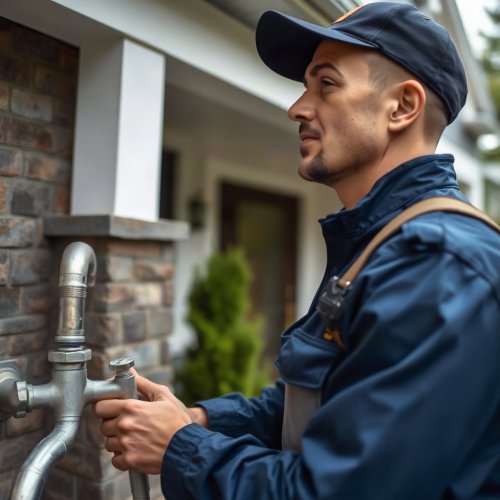
- Locate and Operate the Main Water Shutoff: Know the exact location of the main water shutoff valve. In many properties, this is located near the front exterior wall, inside a utility closet, or near the street inside a meter box. Turning this valve clockwise stops incoming water instantly.
- Kill Power to Threatened Electrical Systems: If water is pooling near electrical panels, outlets, appliances, or water heater control boxes, shut off the appropriate breakers at the main electrical panel to prevent electrocution hazards.
- Contain Active Leaks Safely: Use buckets, towels, and heavy-duty plastic sheeting to catch dripping water and protect valuable furniture or flooring, provided the area is safe to access.
- Cease Fixture Usage: If a drain backup is occurring, immediately stop running faucets, flushing toilets, and operating dishwashers or washing machines to prevent further wastewater overflow.
What Not to Do During a Plumbing Emergency
Panic often leads to common mistakes that worsen plumbing emergencies. Avoid these hazardous actions:
- Do Not Use Chemical Drain Cleaners on Total Blockages: Pouring caustic chemical drain openers into a backed-up sink or toilet creates severe safety risks. If the chemical does not clear the clog, corrosive standing water can splash onto skin or eyes during manual bailing or professional snaking.
- Do Not Ignore Minor Gurgling: Waiting for a slow drain to clear itself while gurgling sounds persist usually leads to a complete sewage backup during peak water usage.
- Do Not Attempt DIY Gas or High-Pressure Repairs: Never attempt to modify, tighten, or repair gas-fired water heater supply connections or high-pressure main lines without proper tools and training.
Repair Options and Scope Variables
Emergency plumbing repairs vary widely depending on the root cause, pipe material, accessibility, and severity of damage. Professional repair options generally fall into several categories:
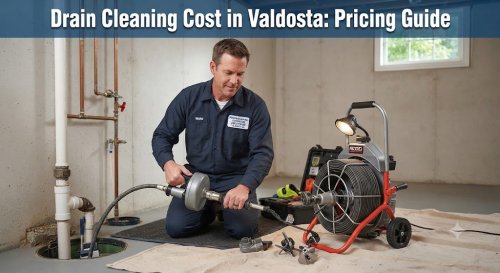
For localized pipe failures in accessible areas like crawl spaces or utility rooms, a damaged section of pipe can be cut out and replaced using modern materials such as PEX or Schedule 40 PVC, coupled with appropriate transition fittings. For underground sewer laterals compromised by tree roots or structural settling, hydro-jetting or trenchless pipe lining may be evaluated alongside traditional excavation.
Cost factors in emergency situations are driven by specific operational variables rather than arbitrary pricing. These include:
- Accessibility: Working inside a tight crawl space, beneath a concrete slab, or behind finished drywall requires specialized access creation and restoration work.
- Time and Urgency: After-hours, weekend, and holiday emergency dispatches require mobilizing technicians and specialized heavy equipment on short notice.
- Extent of Collateral Damage: The complexity of removing saturated insulation, performing structural drying, or excavating outdoor soil heavily influences overall project scope.
- Material Degradation: Attempting to repair a brittle, corroded galvanized or polybutylene pipe can trigger adjacent failures, sometimes necessitating a more comprehensive partial repiping strategy.
Questions to Ask Before Approving Major Repairs
When facing substantial emergency plumbing work, property owners should ask targeted questions to ensure transparency and sound decision-making:
- What specific diagnostic testing was performed to confirm the exact location of the failure?
- Does this repair address the root cause of the problem, or does it merely treat the visible symptom?
- What alternative repair options exist, such as spot repair versus partial repiping or trenchless rehabilitation?
- Are permits required for this specific scope of plumbing work under local Valdosta and Lowndes County guidelines?
- What warranty is provided on both the labor and the newly installed materials?
Frequently Asked Questions
How can I find my main water shutoff valve in an emergency?
In most properties, the main shutoff valve is located where the main water line enters the building—typically in a utility room, garage, crawl space, or near an exterior front wall. For properties with outdoor meter boxes, a specialized meter key may be required to turn off the utility-side valve, though interior valves are designed for homeowner use.
Is a slow-draining sink considered an emergency plumbing repair?
A single slow-draining sink is usually a routine maintenance issue caused by localized hair, soap scum, or debris buildup in the trap. However, if multiple plumbing fixtures drain slowly at the same time or begin gurgling, it indicates a main line obstruction that requires prompt professional attention before it develops into a complete backup.
Why does my toilet bubble or gurgle when I run the washing machine?
This symptom indicates a venting issue or a partial restriction in the main drainage stack. When the washing machine discharges a high volume of water rapidly, it pushes air through the drainage pipes. If the vent is blocked or the main line is restricted, that air escapes upward through the nearest fixture trap, causing bubbles and gurgling.
What should I do if my water heater begins leaking from the bottom tank?
A leak originating from the structural tank body itself almost always indicates internal tank failure due to corrosion or thermal fatigue. Turn off the cold water supply valve located at the top of the unit, shut off the gas or electrical power source, and contact a professional plumber to discuss replacement options.
Can heavy rain cause sewer backups in Valdosta homes?
Yes. Heavy seasonal rainfall can overwhelm municipal sewer mains or infiltrate private sewer laterals through cracks and compromised joints, leading to groundwater intrusion and wastewater backing up into lower-level fixtures or floor drains.