What to Do When Water Is Flooding a Valdosta GA Home
Discover immediate steps to take when water floods your Valdosta GA home, how to locate shut-off valves, and when to call a professional plumber.

Immediate Emergency Action When Water Floods Your Property
Discovering water actively flooding your Valdosta GA home demands rapid, decisive action to minimize structural damage and prevent mold growth. In hot and humid southern climates, standing water combined with high indoor humidity creates an ideal environment for mold proliferation within 24 to 48 hours. Your first priority is safety and halting the flow of water before attempting to assess the damage or clean up.
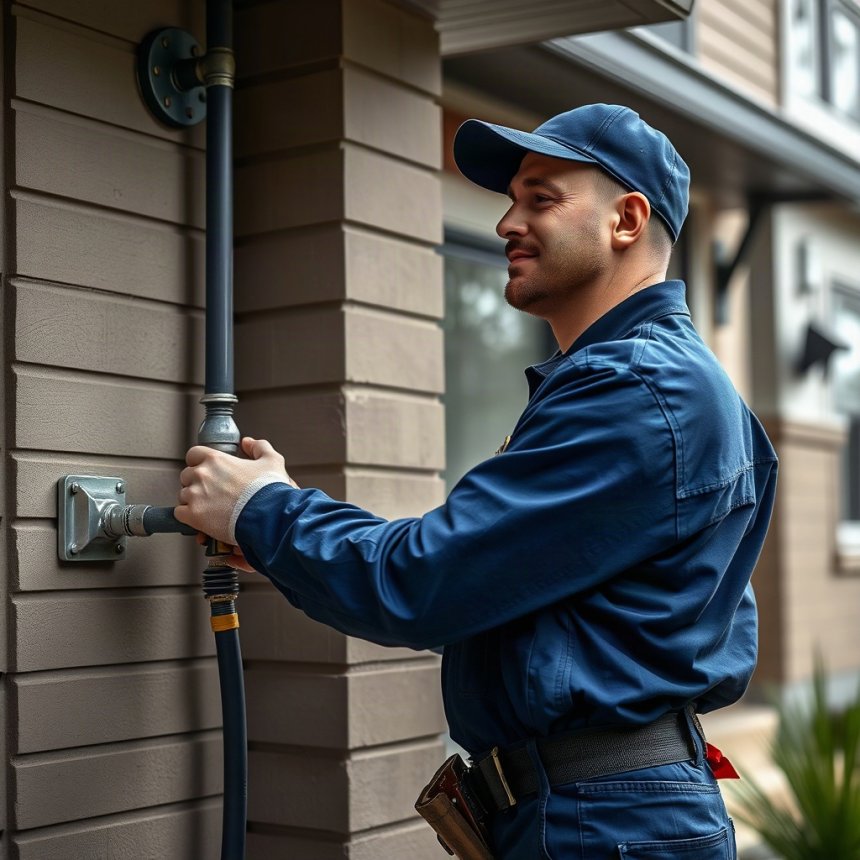
Locating and operating the main water shut-off valve is the single most important action you can take. In many Valdosta residences, the main water shut-off is located near the front perimeter wall inside a utility closet, garage, or crawl space, or outside near the street inside a subterranean meter box. Familiarize yourself with this location before an emergency occurs. If the flooding is confined to a single plumbing fixture or appliance, such as a supply line failure beneath a kitchen sink or behind a washing machine, locate the local shut-off valve underneath or immediately adjacent to that fixture and turn it clockwise until fully closed.
Ensuring Electrical Safety
Water and electricity create a lethal combination. Never wade into standing water if there is any possibility that electrical outlets, extension cords, appliances, or the main electrical panel have been submerged or contacted by water. If you can safely reach your electrical panel without stepping in water, switch off the main breaker or the breakers supplying power to the affected areas. When in doubt, contact a licensed electrician or your electric utility provider to cut power to the property before entering the flooded space.
Distinguishing the Source of the Water
Once the water supply is halted and safety is confirmed, determining the source of the water dictates your next steps and the type of professional help required. Water inside a home typically originates from one of three primary sources, each carrying vastly different health risks and repair scopes:
- Clean Water Supply Leaks: Water originating from pressurized supply lines, such as a failed supply tube, water heater tank rupture, or a burst pipe. This water is clean initially but becomes contaminated as it contacts building materials and furnishings.
- Greywater Drainage Issues: Wastewater originating from washing machines, dishwashers, or bathroom sinks. This water may contain soap, food particles, or mild chemical residues.
- Blackwater Sewer Backups: Wastewater from toilets or main sewer line blockages. This water is heavily contaminated with biological pathogens and requires specialized remediation protocols. Heavy seasonal rainfall in South Georgia can occasionally surcharge municipal or private sewer laterals, pushing blackwater back into lower-level fixtures.
Safe Homeowner Inspection and Damage Control
While major pipe failures require professional intervention, homeowners can safely perform specific damage-control tasks while waiting for assistance:
- Stop using all plumbing fixtures immediately if a main drain or sewer backup is suspected. Running additional water will only exacerbate the flooding.
- Move portable furniture, electronics, rugs, and Valuables away from the wet areas to elevated, dry locations.
- Use towels, mops, or a wet/dry shop vacuum to remove standing water if it is safe to operate electrical equipment in dry zones.
- Open windows and interior doors if outdoor humidity permits, and deploy fans to circulate air and begin the drying process.
- Document the damage thoroughly with photographs and video recordings for insurance claim documentation.
Hidden Plumbing Insights: Why the Visible Wet Area May Not Be the Source
One of the most common diagnostic misconceptions during a flood is assuming the leak is located directly above or beside the wettest spot. Water follows the path of least resistance along framing members, subflooring, pipe penetrations, and wall cavities. A supply line pinhole leak in an upper-floor bathroom can travel along joists and manifest as a ceiling collapse or heavy wall staining rooms away. Similarly, water leaking from an improperly sealed shower pan can seep through subflooring into a crawl space over weeks before showing dramatic symptoms. Professional leak detection utilizes acoustic equipment, thermal imaging, and moisture meters to trace water migration backward from the symptom to the actual failure point.
Professional Diagnosis and Repair Options
When professional plumbers arrive, their initial task is diagnostic verification. Depending on what caused the flooding, repair options vary widely:
- Supply Pipe Replacement: If a pressurized copper, PEX, or older galvanized pipe has ruptured due to corrosion, physical damage, or wear, the damaged section is cut out and replaced. In properties with widespread pipe degradation, partial or whole-house repiping may be recommended to prevent recurring failures.
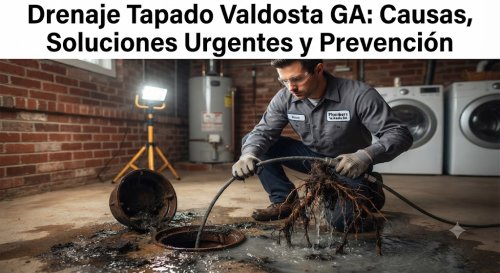
- Drain and Sewer Clearing: If a backed-up sewer line caused the interior flooding, professional snaking or hydro-jetting is required to clear root intrusions, grease blockages, or structural collapses in the underground lateral.
- vWater Heater Replacement: When a storage tank water heater suffers a catastrophic tank rupture due to internal corrosion, repair is impossible, and complete replacement with a properly sized unit is necessary.
Understanding Repair Costs and Variables
Plumbing emergency costs vary based on several concrete technical factors rather than arbitrary pricing. Understanding these variables helps homeowners evaluate estimates objectively:
- Timing and Urgency: Emergency dispatch, after-hours, weekend, or holiday response involves higher labor rates due to disrupted schedules and immediate mobilization requirements.
- Access Complexity: Repairing an accessible pipe in an open crawl space or utility room requires less labor than excavating beneath a concrete slab, opening finished drywall, or working within a cramped, damp crawl space common to many Valdosta properties.
- Scope of Secondary Damage: The cost of plumbing repair often differs from the total cost of remediation. Cutting into drywall, removing saturated insulation, or lifting ruined flooring involves restoration work beyond basic pipe repair.
- Material Quality and Code Compliance: Upgrading outdated plumbing materials to current code standards during an emergency repair ensures long-term reliability but may increase material costs.
Frequently Asked Questions
What should I do if my water heater bursts and floods the utility room?
Immediately turn off the cold water supply valve located at the top of the water heater tank. Next, shut off the gas supply or electrical breaker to the unit to prevent heating elements from burning out or creating a fire hazard. Attach a garden hose to the drain valve at the bottom of the tank to drain remaining water outdoors or into a floor drain, and contact a professional.
Can heavy Valdosta rainstorms cause my plumbing to flood my home?
Yes. Heavy regional rainfall can overwhelm municipal stormwater systems, saturate soil around foundations, and infiltrate private sewer lines through cracks or loose joints, leading to severe sewer backups or surface water intrusion into crawl spaces and basements.
How can I tell if a wet spot on my wall is a plumbing leak or roof infiltration?
Plumbing leaks often appear independently of weather events, maintaining a steady moisture level even during dry periods. Roof leaks typically correlate directly with rainfall events and may show dampness in upper attic spaces before appearing on lower ceilings or walls.
Should I turn off my main water valve if I am leaving my Valdosta home for vacation?
Turning off the main water supply valve when traveling is one of the most effective preventive measures a homeowner can take. It eliminates the risk of catastrophic supply line failures, running toilets, or appliance hose ruptures while the property is unoccupied.
What is the difference between a plumbing diagnostic fee and repair labor?
A diagnostic fee covers the professional's time, expertise, and specialized equipment required to accurately locate the root cause of the plumbing failure. Repair labor and materials cover the actual physical work required to fix the diagnosed problem.
When is a water leak considered a plumbing emergency?
Any active leak that cannot be isolated with a local fixture shut-off valve, any leak discharging water near electrical panels or wiring, and any backup of raw sewage into living areas constitutes an immediate plumbing emergency requiring professional assistance.