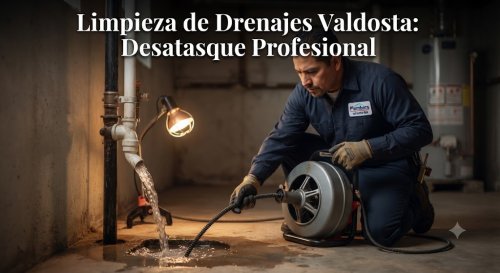
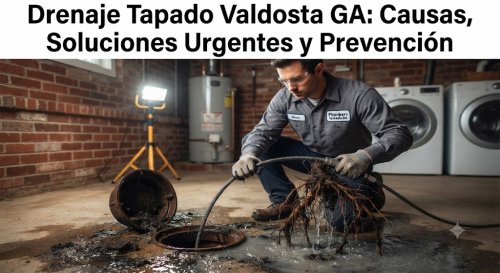
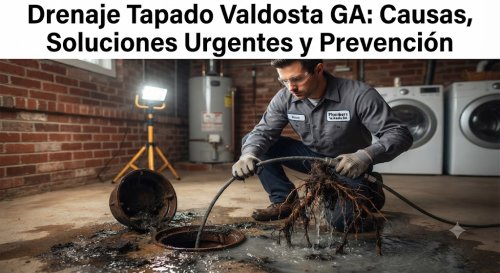
Burst Pipe Repair in Valdosta GA: Immediate Steps
Learn immediate steps for burst pipe repair in Valdosta, GA. Discover how to shut off water, prevent property damage, and evaluate plumbing repair options.

Immediate Action Plan When a Pipe Bursts
A burst pipe is one of the most stressful plumbing emergencies a homeowner can face. Water can pour into walls, flood crawl spaces, or pool across flooring within minutes, causing severe structural damage and promoting mold growth if not addressed immediately. When a pipe splits or ruptures, every second counts. Knowing exactly what steps to take can mean the difference between a minor cleanup and a catastrophic property loss.
The moment you discover a burst pipe in your Valdosta, GA home, your priority is to stop the flow of water and minimize electrical risks. Do not wait to investigate the cause or assess the size of the rupture until the water supply has been completely halted.
Step 1: Locate and Shut Off the Main Water Supply
Your absolute first action must be shutting off the water. Every Valdosta homeowner should know the exact location of their main water shut-off valve before an emergency occurs. In many local properties, this valve is located near the front perimeter wall inside a utility closet, garage, or crawl space, or outdoors inside a subterranean meter box near the street.
If the leak is localized to a specific fixture or appliance supply line—such as a toilet or washing machine—look for the individual angle stop valve beneath or behind the fixture and turn it clockwise until fully closed. If the burst is along a main supply line or hidden within a wall, you must shut off the main water valve for the entire house.
Step 2: Mitigate Electrical Hazards
Water and electricity create a lethal combination. If the rushing water is near electrical outlets, light switches, breaker panels, or major appliances, do not wade through standing water to reach them. If it is safe to access your main electrical panel without stepping in water, turn off the breakers supplying power to the affected area. If the water has reached or is near the electrical panel itself, leave the breakers alone and immediately contact an emergency electrician along with your plumbing professional.
Step 3: Open Faucets to Drain Remaining Pressure
Once the main water supply is shut off, go to the lowest level of your home and open all hot and cold faucets, and flush toilets once. This action drains residual water trapped in the plumbing lines, relieving internal pressure and minimizing the amount of water that will continue to drain out through the rupture point.
Understanding Why Pipes Burst in Valdosta Properties
Many people mistakenly believe that pipes only burst during severe freezing weather. While Valdosta occasionally experiences sudden winter temperature drops that catch residential plumbing off guard—particularly in uninsulated crawl spaces, exterior walls, and outdoor hose bibs—pipes can also rupture due to internal pressures, material fatigue, corrosion, and ground movement.
Valdosta Climate and Plumbing Vulnerabilities
South Georgia experiences intense summer heat, high humidity, and heavy seasonal rainfall that can saturate soils around foundations. While deep winter freezes are relatively rare compared to northern regions, a sudden hard freeze can quickly compromise vulnerable supply lines installed in unconditioned spaces like elevated crawl spaces, which are common across Valdosta architecture. Additionally, expansive clay soils or shifting ground caused by heavy seasonal storms can place stress on underground water lines and rigid supply piping, leading to structural failures over time.
Material Age and Internal Corrosion
The age and material of your plumbing system heavily influence its susceptibility to bursting. Older galvanized steel pipes are prone to internal rust accumulation, which narrows the interior diameter and weakens the pipe walls until they split. Older polybutylene pipes, found in some homes built from the late 1970s through the 1990s, are notorious for becoming brittle and failing unexpectedly. Even modern PEX and copper piping can fail if subjected to excessive water pressure, manufacturing defects, or improper installation practices.
Hidden Diagnostic Clues and Assessing the Damage
Not all burst pipes announce themselves with a gushing geyser. Sometimes a pipe splits slowly behind a drywall partition, underneath a slab foundation, or within a crawl space. Recognizing the secondary clues of a hidden pipe failure can prevent extensive structural damage.
- Unexplained spikes in your water bill: A continuous, hidden leak will cause water meters to spin even when all indoor fixtures are closed.
- The sound of running water: If you hear water hissing or rushing through walls when no taps are open, a pressurized line has likely failed.
- Stained, sagging, or peeling drywall: Moisture tracking along framing members will eventually discolor paint or warp ceiling boards.
- Musty odors and warped flooring: Excess moisture pooling in subfloors or crawl spaces creates damp conditions typical of trapped plumbing leaks in humid climates.
Professional Repair Options for Burst Pipes
When a professional plumber arrives to address a burst pipe, they will evaluate the structural integrity of the surrounding piping network rather than merely patching the immediate split. Depending on the location and extent of the damage, several repair approaches may be utilized.
Sectional Pipe Replacement
If the failure is isolated to a specific segment of pipe—such as a split copper elbow or a rusted section of galvanized line—the plumber will cut out the damaged portion and install a new section using appropriate fittings, couplings, or soldering techniques. For PEX systems, specialized expansion or crimp rings are used to secure replacement segments cleanly.
Partial or Whole-House Repiping
If a burst pipe is caused by widespread material degradation, generalized corrosion, or repeated failures throughout aging lines, patching a single spot may only buy temporary time before another rupture occurs. In these cases, repiping vulnerable branch lines or the entire property with modern flexible PEX or durable copper is often the most cost-effective long-term solution.
Factors That Influence Burst Pipe Repair Costs
Homeowners facing an emergency plumbing repair often wonder why estimates can vary significantly. Several practical factors determine the total scope and investment required for a proper repair:
- accessibility and location: A burst pipe located in an open crawl space or utility room is significantly faster to access than one buried beneath a concrete slab or hidden behind custom cabinetry and finished drywall.
- Pipe material and diameter: Working with older rigid materials like galvanized steel requires specialized cutting and threading equipment, whereas modern flexible piping can be integrated more quickly.
- Emergency timing: Emergency dispatches outside of normal business hours involve immediate technician mobilization and logistical adjustments.
- Associated restoration scope: Plumbers focus strictly on the piping infrastructure. However, the overall cost of a burst pipe incident often includes drywall cutting, structural drying, mold mitigation, and surface restoration.
Frequently Asked Questions
- Can I use my plumbing after a temporary patch on a burst pipe?
Temporary repairs using rubber sleeves, clamping devices, or tape are strictly designed as emergency stopgaps to halt active flooding. They are not rated for permanent household water pressure and should be replaced by a professional plumber immediately. - How can I prevent outdoor pipes and crawl space lines from freezing during a Valdosta freeze?
Insulate exposed supply lines in crawl spaces and outdoor hose bibs using foam pipe insulation before freezing temperatures arrive. During a severe freeze warning, letting indoor faucets drip slightly relieves pressure and keeps water moving. - Does homeowners insurance cover burst pipe damage in Valdosta?
Many standard homeowners insurance policies cover sudden and accidental water damage caused by a burst pipe, as well as the reasonable cost to access the pipe. However, damage resulting from long-term neglect or deferred maintenance is typically excluded. Always consult your specific insurance provider for policy details. - Why did my pipe burst without any visible freezing weather?
Pipes can rupture due to excessive water pressure exceeding the rating of the pipe walls, severe water hammer (hydraulic shock), physical damage during remodeling, or deep structural corrosion that thinned the metal over time. - Should I shut off my water heater when a pipe bursts?
If the burst pipe involves a hot water supply line or if you must shut off the main water valve to the entire house, it is wise to turn off the power supply to your water heater (electric breaker or gas control valve) to prevent the tank from dry-firing or overheating.