What to Do When Water Is Flooding a Valdosta Home
Discover immediate steps to take when water floods your Valdosta GA home. Learn how to shut off water, control damage, and find the source safely.

Immediate Emergency Steps When Your Home Is Flooding
Discovering water actively flooding your property is one of the most stressful situations a homeowner can face. Whether water is gushing from a failed supply line beneath a bathroom vanity, pouring through a ceiling from an upstairs bathroom, or backing up aggressively through floor drains, quick and decisive action is critical. When water is actively flooding a Valdosta GA home, every minute counts to minimize structural damage, ruined flooring, and the rapid growth of mold in our humid south Georgia climate.
Your very first priority is not to find the leak or inspect the damage, but to stop the flow of water entirely. Hesitation during a major plumbing failure allows hundreds of gallons of water to saturate drywall, subflooring, insulation, and electrical systems.
- Locate the main water shut-off valve: Every Valdosta homeowner should know where their main water shut-off valve is located before an emergency occurs. In many local properties, this valve is found near the front exterior wall inside a utility room, garage, or crawl space access point. For others, it resides near the property property line inside a concrete meter box buried underground.
- Turn the valve clockwise: Rotate the gate or ball valve clockwise until it stops. If you have a modern quarter-turn ball valve, turning the handle perpendicular to the pipe completely halts the incoming water supply.
- Shut off local supply valves if possible: If the flooding is isolated to a single fixture like a toilet supply line, kitchen sink valve, or water heater, closing the individual shut-off valve directly adjacent to the appliance will stop the water without cutting off service to the rest of the house.
- Cut power to affected areas: If water is cascading near electrical outlets, breaker panels, or major appliances, go to your main electrical service panel and trip the breakers for the affected rooms. Never step in standing water if there is any chance it has made contact with live electricity.
Identifying the Source of the Flood
Once the water source has been isolated and stopped, you can begin investigating what caused the catastrophic failure. The visible location of the water pooling on your floors does not always point directly to the source. Water travels along the path of least resistance, following framing members, subfloor seams, and pipe penetrations before finally pooling in a low spot.
Supply-Side Failures
Sudden indoor flooding is frequently caused by a pressurized supply-line failure. Braided steel or flexible plastic supply lines connected to toilets, faucets, and washing machines have a finite lifespan. Over time, rubber internal components degrade, or crimp fittings fail completely. When a supply line bursts under full municipal or well water pressure, it can pump gallons of water per minute directly into your living space until the valve is closed.
Drain and Sewer Backups
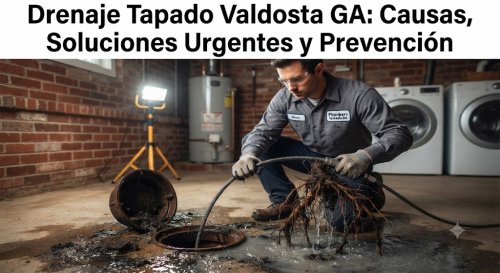
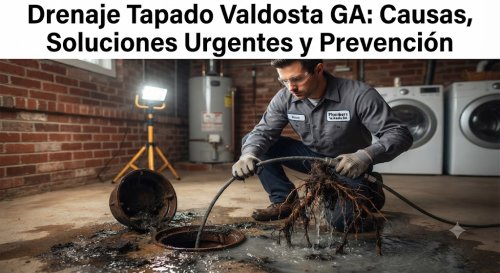
If the water flooding your home is dark, foul-smelling, or emerging upward from floor drains, shower basins, or low-level toilets, the issue is not a clean supply line. This points to a major blockage or structural collapse in your drainage or sewer system. Heavy summer storms in Valdosta can overwhelm municipal or private sewer laterals, pushing storm runoff and wastewater backward into homes with inadequate or missing backwater valves. Tree root intrusion, grease accumulation, and collapsed clay or cast-iron sewer lines can also trap sewage until it violently discharges inside the building.
Water Heater Tank Ruptures
Tank-style water heaters store dozens of gallons of water under constant pressure. When an aging tank suffers a catastrophic internal seam rupture or bottom-plate failure, the entire contents empty rapidly across the utility room, garage, or interior hallway. Unlike a slow pinhole leak that gives warning signs, a tank rupture acts like an indoor geyser.
Safely Inspecting and Documenting the Damage
Once the water is off and the immediate emergency is controlled, shift your focus to damage containment and assessment. Do not attempt complex repairs or structural demolition yourself. Instead, perform safe, practical checks to understand the scope of the problem.
- Check crawl spaces and slabs: Many Valdosta properties are constructed over raised crawl spaces or concrete slabs. If your home has a crawl space, inspect the perimeter safely from the access door. Standing water beneath the subfloor can warp wooden joists, trap intense humidity, and ruin insulation. If your home is built on a slab, check baseboards and drywall edges for early signs of saturation.
- Document everything for insurance: Take clear photographs and video footage of all standing water, saturated drywall, ruined flooring, and the failed plumbing component itself before cleanup begins. Homeowners insurance policies often require comprehensive proof of sudden, accidental discharge to process water damage claims.
- Begin moisture extraction: Remove standing water using wet/dry vacuums, mops, or rented extraction equipment. In Valdosta's humid environment, leaving water to air dry naturally is rarely effective and invites rapid mold colonization within 24 to 48 hours. Set up high-capacity box fans and portable dehumidifiers immediately.
- Accessibility: A burst supply line located in an open utility room is straightforward to access and repair. Conversely, a pipe failure hidden behind tiled bathroom walls, beneath a concrete slab, or deep inside a confined crawl space requires specialized excavation or demolition, increasing labor time.
- Pipe Material and System Age: Working with modern PEX or copper is relatively fast. However, repairing brittle, corroded cast iron or old polybutylene piping often requires cutting back to stable sections and adapting modern materials, which expands the scope of work.
- Emergency Timing: Catastrophic floods rarely happen during standard business hours. Emergency dispatch, nights, weekends, and holiday plumbing interventions involve specialized labor mobilization fees.
- Diagnostic Testing Requirements: Pinpointing hidden leaks behind walls or structural slabs requires advanced electronic acoustic leak detectors, thermal imaging cameras, or sewer video inspection equipment.
- Should I turn off my electricity if my home is flooding?
Yes, if standing water is approaching electrical outlets, extension cords, appliances, or your main breaker panel, shut off the affected circuits immediately. Never stand in water while interacting with electrical switches. - How can I tell if the flooding is from a supply pipe or a drain?
Clean, clear water that pools continuously usually originates from a pressurized supply line or water heater. Dark, murky water with debris or unpleasant odors that emerges from floor drains or toilets indicates a drainage or sewer backup. - Will my homeowners insurance cover a plumbing flood?
Most standard homeowner policies cover sudden and accidental water damage resulting from internal plumbing failures, such as a burst supply line. However, damage caused by gradual, long-term leaks or neglected maintenance is often excluded. Always verify your specific policy terms with your insurance provider. - Can I use my plumbing system after shutting off the main valve?
No. Once the main water shut-off valve is closed, all water pressure to sinks, showers, toilets, and appliances is cut off. Attempting to use fixtures will yield no water, and attempting to flush toilets can cause further backup if the drain system is also compromised. - How fast does mold grow after a home flood in Valdosta?
Due to high ambient humidity and warm temperatures, mold and mildew can begin to colonize within 24 to 48 hours in saturated drywall, insulation, and carpeting. Rapid extraction, industrial dehumidification, and commercial air movers are essential immediately following a flood. - What should I do if my water heater bursts in the middle of the night?
Immediately turn off the cold water supply valve located on top of the water heater tank. Next, shut off the gas supply or flip the electrical breaker supplying power to the unit to prevent dry-firing or electrical hazards. Connect a garden hose to the tank drain valve to run remaining water outside if safe to do so.
Understanding Repair Options and Professional Intervention
Depending on what caused the flood, the necessary repair will range from a simple part swap to a major system overhaul. Attempting temporary fixes on high-pressure supply lines or damaged sewer mains is dangerous and usually leads to secondary flooding.
When dealing with a burst supply pipe, a professional plumber will typically cut out the damaged section of piping—whether PEX, copper, or older galvanized steel—and install secure, code-compliant fittings. If the flood resulted from a failing water heater, replacement is generally the only viable option, as tanks cannot be reliably patched once the vessel fails.
For sewer and drainage backups, a professional diagnosis often requires running a specialized sewer camera down the line to inspect the interior walls of the pipe. If roots, scale, or a structural break caused the backup, hydro-jetting or trenchless pipe repair may be necessary to restore full drainage capacity and prevent recurring indoor floods.
What Factors Affect Plumbing Repair and Restoration Costs?
When facing a major flood, homeowners naturally wonder about the financial investment required to fix the underlying plumbing failure. While exact figures cannot be predicted without an onsite evaluation, several distinct variables drive the complexity and cost of emergency plumbing repairs: