What to Do When Water Is Flooding Your Valdosta Home
Discover immediate steps to take when water floods your Valdosta, GA home. Learn how to stop the source, protect property, and prevent long-term damage.

Immediate Emergency Actions When Water Is Flooding Your Home
Discovering water actively flooding your property requires fast, decisive action. Whether the source is a fractured supply line, a backed-up sewer line, or heavy stormwaters overwhelming a South Georgia crawl space, every minute counts. Your first priority is safety and halting the flow of water before structural elements, flooring, and electrical systems sustain severe damage.
If water is gushing inside your living space, do not panic—locate your main water shutoff valve immediately. In many properties, this valve sits near the front exterior wall, inside a utility room, or outdoors in a buried utility box near the street. Turning this valve clockwise shuts off the entire water supply to the home, instantly stopping pressurized leaks from water heaters, supply lines, or fixture connections.
If the flooding stems from an appliance like a washing machine or water heater, check for dedicated supply shutoff valves nearby. Closing these local valves stops the water without shutting down the rest of the house. However, if the flooding is caused by sewage backing up through drains or storm runoff entering through lower levels, valve shutoffs will not stop the water, requiring different containment measures.
Evaluating the Source and Nature of the Water
Once the active flow is halted or contained, identifying the source helps determine the appropriate cleanup and repair strategy. Water emergencies generally fall into three distinct categories, each carrying different health and structural implications:
- Clean Water: Originates from supply lines, supply pipes, or water heater tanks. It poses no immediate health hazard but can quickly warp hardwood floors and saturate drywall.
- Gray Water: Comes from washing machines, dishwashers, or sink drains. It may contain soap, food particles, or mild chemical residues.
- Black Water: Involves sewage backups or severe storm flooding mixed with outdoor contaminants. This water carries biological hazards and requires professional extraction and sanitization.
In Valdosta properties, heavy seasonal rainstorms can overwhelm perimeter drainage systems, pushing groundwater up through crawl spaces or slab joints. If your floors are dry from above but your crawl space is filling with water after a heavy downpour, the issue is typically exterior drainage, grading, or a saturated water table rather than an internal plumbing leak.
Safe Homeowner Checks and Damage Control
While waiting for professional assistance or working to mitigate damage, protect your safety and belongings by following these guidelines:
- Kill the Power: If water is near electrical outlets, baseboard heaters, or your breaker panel, turn off the electricity to the affected areas at the main breaker. Never step into standing water if electrical hazards are present.
- Move Valuables: Lift rugs, electronics, and sentimental items off wet floors. Place aluminum foil or plastic wrap under furniture legs to prevent wood stains from bleeding into carpets.
- Begin Extraction: Use mops, wet-dry vacuums, and towels to remove standing water. The faster you eliminate moisture, the lower the risk of structural warping and mold growth.
- Increase Ventilation: Open windows and doors if outdoor humidity permits, and set up fans to accelerate drying. Keep in mind that Valdosta’s high outdoor humidity can sometimes work against natural evaporation, making dehumidifiers essential.
Hidden Complications in South Georgia Homes
Water damage often extends far beyond what is visible on the surface. Understanding how construction styles in the area react to moisture helps prevent hidden long-term failures.
Many properties feature raised crawl spaces with wooden subfloors. When a supply pipe bursts or a drain leaks under the floorboards, water pools in the crawl space insulation and wooden framing. Because crawl spaces are naturally damp and enclosed, trapped moisture creates an ideal environment for mold and wood rot within 48 to 72 hours. Simply drying the surface rooms is insufficient if the crawl space remains saturated.
Conversely, properties built on concrete slabs can experience under-slab leaks where pressurized copper or PEX supply lines wear against abrasive sub-base materials. If you notice warm spots on your floor or unexplained dampness pushing up through tile grout, a sub-slab water line may have failed, requiring specialized electronic leak detection.
When Professional Diagnosis and Repair Are Necessary
While shutting off valves and soaking up water are manageable DIY tasks, permanent repairs require specialized plumbing expertise. Call a qualified professional when:
- The leak originates behind finished walls, beneath concrete slabs, or underground between the meter and the house.
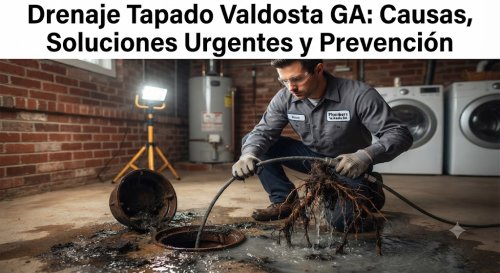
- The flooding is caused by a collapsed, cracked, or root-invaded main sewer lateral.
- Water heater tanks have ruptured internally and require full replacement.
- Electrical components, wiring, or gas lines have been compromised by the water flow.
Professional plumbers utilize specialized diagnostic tools such as acoustic listening devices, thermal imaging cameras, and video sewer scopes to pinpoint hidden failures without tearing apart unnecessary drywall or flooring.
Understanding Repair and Restoration Costs
The cost to resolve a flooding emergency varies widely based on the root cause and the extent of damage. Factors influencing overall expenses include:
- Source Accessibility: A simple valve replacement under a sink is straightforward, whereas repairing a burst pipe buried beneath a concrete slab or deep in a crawl space requires excavation or structural cutting.
- Emergency Timing: After-hours, weekend, or holiday emergency dispatches involve different labor rates due to urgent mobilization.
- Scope of Replacement: Spot-repairing a localized pipe crack costs significantly less than executing a whole-house repiping project if aging galvanized or polybutylene pipes are failing system-wide.
- Restoration Requirements: Plumbing labor covers stopping the leak and repairing the pipe, but does not typically include structural drying, mold remediation, drywall repair, or flooring replacement.
Always request a clear, itemized estimate that separates plumbing repair costs from any associated structural or restoration work.
Frequently Asked Questions
What should I do first if a pipe bursts inside my home?
Immediately shut off the main water valve to stop the flow. Next, shut off electricity to the affected area if water is near outlets or appliances, and begin moving valuables out of standing water before calling an emergency plumber.
Why is my crawl space flooding even though it has not rained?
If there has been no rain, a flooded crawl space almost always points to a hidden plumbing failure, such as a broken supply line, a leaking water heater, or a severed drainpipe running beneath the home.
How can I tell if a wet spot on my floor is a plumbing leak or groundwater?
If the wet area is near a plumbing fixture, appliance, or supply line and feels warm or stays wet during dry weather, it is likely a plumbing leak. If the moisture appears uniformly across low areas only after heavy storms, it is typically exterior drainage or groundwater intrusion.
Can I keep using my plumbing after a major leak?
It depends on the source. If you successfully shut off the water to a specific leaking fixture, the rest of the house may remain functional. However, if the main sewer line is blocked or broken, running any water or flushing toilets will cause internal sewage backups.
How quickly does mold grow after indoor flooding in Georgia?
Due to warm temperatures and high humidity, mold can begin colonizing on wet drywall, insulation, and wood framing within 24 to 48 hours. Rapid water extraction, heavy dehumidification, and professional drying are critical.
What questions should I ask a plumber before approving emergency repairs?
Ask what caused the failure, whether the repair addresses the root problem or just a temporary symptom, what warranty covers the parts and labor, and whether the estimate includes cleanup, drywall patching, or only the plumbing fix.