How to Shut Off the Main Water Supply in a Valdosta Home
Learn how to locate and shut off your main water supply in Valdosta, GA. Step-by-step guidance for emergency leaks, plumbing repairs, and seasonal property care.

Knowing Your Main Water Supply Before an Emergency
When a supply line bursts or a fixture connection fails inside a Valdosta home, every second counts. Water under municipal or private pressure can pour out at gallons per minute, quickly soaking drywall, insulation, and flooring. Knowing exactly how and where to shut off your main water supply can mean the difference between a minor cleanup and thousands of dollars in property damage. Yet, many local property owners have never located their shut-off valve until an urgent leak forces them to search frantically in the dark.
Plumbing configurations across Valdosta and surrounding Lowndes County vary widely depending on the age of the property, whether the home sits on a slab foundation or a crawl space, and whether the building is a residential home or a commercial space. Understanding where your valve is located, how it operates, and what tools you might need prevents panic and minimizes potential water damage.
Locating Your Main Water Shut-Off Valve
Unlike regions with deep freezes where main lines must be buried feet underground and brought into heated basements, Valdosta properties typically feature configurations suited to milder southern climates. Depending on your home construction, your main water shut-off valve will generally be located in one of several predictable areas.
Indoor Locations
In many Valdosta homes, especially those built on crawl spaces or monolithic slabs, the main water line enters through an exterior wall and immediately transitions upward through a utility room, garage, or laundry area. Look near the perimeter wall closest to the street or where the municipal water service line enters the property footprint. The valve will sit on the vertical or horizontal pipe before any branch lines split off to appliances or fixtures.
Outdoor Locations
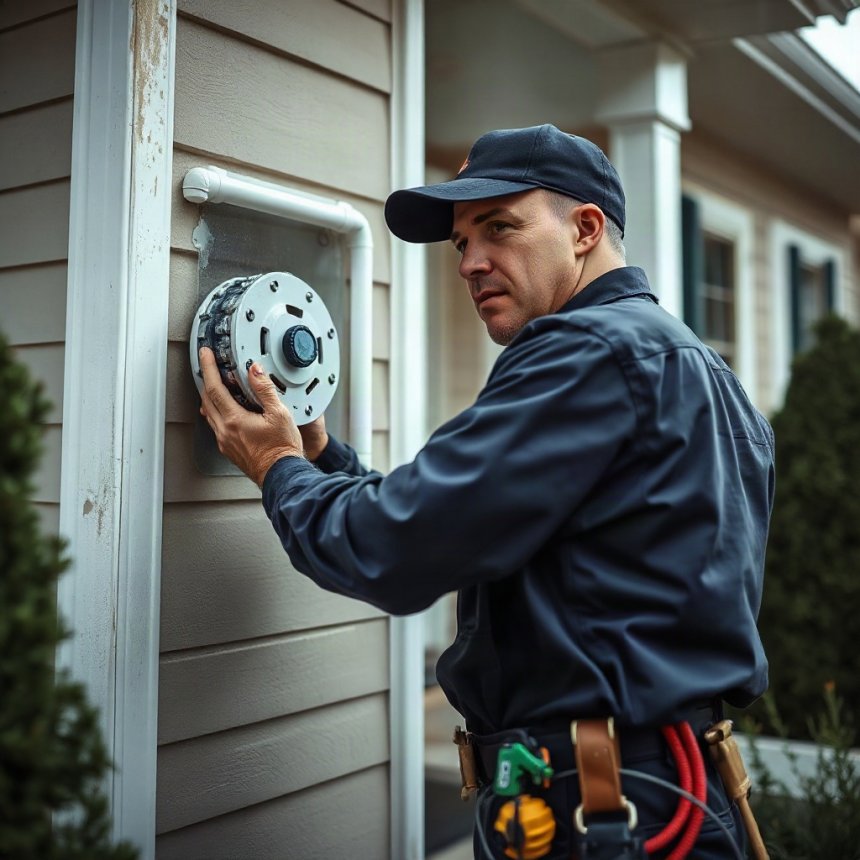
If your indoor valve is missing, painted over, or seized, you may need to look outside. Many properties feature an exterior shut-off valve protected inside a plastic or concrete utility box near the front property line or close to the foundation wall. In some cases, the main control point is located at the municipal water meter box near the street. Accessing the meter box may require a specialized water meter key, and utility rules regarding who is authorized to operate the meter-side valve should always be verified with the local utility provider.
Types of Main Shut-Off Valves You May Encounter
Not all water valves operate the same way. Identifying your specific valve type ensures you apply the correct motion to stop the water flow without breaking older, brittle components.
- Gate Valves: Older Valdosta homes often feature round, wheel-handled gate valves. These require multiple full rotations clockwise to close completely. Over time, mineral deposits or corrosion can cause the internal gate mechanism to stick or fail to achieve a complete seal.
- Ball Valves: Modern plumbing installations typically utilize quarter-turn ball valves equipped with a flat lever handle. When the handle runs parallel to the pipe, the valve is fully open. Turning the handle a quarter-turn so it sits perpendicular to the pipe closes the water supply completely. This design offers quick, reliable shut-off capability.
- Globe Valves: Similar in appearance to gate valves with a round handle, globe valves regulate flow internally through a stopper pressing against a ring. They also require multiple turns to close.
Step-by-Step Guide to Shutting Off Your Water
When an emergency occurs, follow these steps to secure your plumbing system safely:
- Locate the valve quickly: Head directly to your pre-identified indoor or outdoor main shut-off location.
- Turn the valve off: For a ball valve, rotate the lever arm 90 degrees so it forms a cross with the pipe. For a gate or globe valve, turn the wheel clockwise until it stops firmly. Never force a stuck valve with excessive leverage, as older brass or PVC fittings can snap under extreme torque.
- Open downstream fixtures: Go to the lowest level of the home and open a bathtub faucet or outdoor hose bib. This drains residual water trapped in the supply lines, relieving pressure and clearing out remaining fluid.
- Verify the flow has stopped: Check that water stops running from the opened fixtures. If water continues to flow after closing the main valve, the valve seat may be worn or clogged, meaning the valve is failing to isolate the home completely.
Safe Homeowner Checks and Diagnostic Limitations
Homeowners can easily perform routine maintenance by locating their shut-off valve and testing its operation once or twice a year. Gently exercising quarter-turn ball valves prevents them from seizing up due to mineral accumulation or lack of use.
However, safety and system integrity dictate strict limits on what a homeowner should attempt:
- Do not apply wrenches to old, corroded pipe threads adjacent to the main valve, as twisting weak joints can cause a catastrophic pipe failure.
- If a main shut-off valve leaks around the packing nut when turned, do not over-tighten it aggressively without a backup wrench to support the pipe body.
- If an outdoor meter-side municipal valve refuses to turn or is buried under heavy soil and utility lines, professional assistance or coordination with the local utility is necessary.
When to Call a Professional Plumber
Certain situations require immediate professional intervention rather than DIY handling:
- Faulty Main Valve: If your main indoor shut-off valve fails to completely stop the water flow, you cannot isolate your home for repairs. A plumber must replace the faulty valve, often requiring a temporary shut-off at the street level.
- Corroded or Damaged Supply Lines: Older galvanized steel or degraded copper pipes near the entry point can crumble when disturbed. Professional repiping or valve rebuilding ensures the main entry point remains structurally sound.
- Slab or Crawl Space Leaks: If the main water line feeding your home is leaking underground or beneath a concrete slab before it reaches the accessible interior valve, specialized leak detection and excavation equipment will be required.
Cost Factors for Main Valve Repair or Replacement
If your main water shut-off valve is broken, leaking, or obsolete, replacement is essential. Several variables influence the cost and scope of this work:
- Valve Accessibility: Valves located in tight crawl spaces, finished drywall enclosures, or deep outdoor utility boxes require additional labor to access safely.
- Pipe Material and Condition: Replacing a valve on modern PEX or copper is straightforward, whereas cutting into older, degraded galvanized steel or brittle PVC requires special adapters and transition fittings.
- Emergency Timing: If a valve fails completely during an active flood or outside normal business hours, emergency dispatch affects labor pricing.
- Municipal Coordination: If the main curb stop at the street must be closed by the utility provider to perform the interior repair safely, scheduling constraints can influence the timeline.
Frequently Asked Questions
How do I know if my main water valve is completely closed?
Once you turn the valve off, open a sink faucet inside the house. If water runs for a few seconds and then trickles to a complete stop, the supply is successfully isolated. If water continues to flow steadily, the valve is either not fully closed or its internal seals have failed.
Should I shut off my water main when leaving my Valdosta home for vacation?
Yes. Turning off the main water supply when you leave the property for an extended period is one of the most effective ways to prevent catastrophic water damage from a sudden supply line failure, water heater leak, or toilet supply hose rupture while you are away.
Can I use the water meter box at the street to shut off my water?
Most municipal water systems include a shut-off valve inside the utility meter box near the street. While homeowners can use this in an emergency, many local utility guidelines restrict unauthorized operation of the utility-side valve. It is always best to maintain a functional shut-off valve on your own property side.
Why is my main water shut-off valve so hard to turn?
Valves that go unoperated for years accumulate mineral scale, calcium deposits, or corrosion. Forcing a stuck gate valve with tools can snap the internal stem. If a valve resists normal hand pressure, it should be serviced or replaced by a professional plumber rather than forced to the point of breakage.
What type of valve is best to replace an old gate valve?
Plumbers generally recommend upgrading older gate valves to modern quarter-turn brass ball valves. Ball valves provide a reliable, positive seal, operate smoothly with a quick handle movement, and are far less prone to sticking over time.
Do all Valdosta homes have the main water shut-off in the same place?
No. Depending on whether your property is built on a crawl space, slab foundation, or features a basement, the main water line entry point will vary. Common spots include utility closets, garages, exterior walls facing the street, or ground-level utility boxes.